GPS Signal Delay Causing Fleet Tracking Failure in India 2026
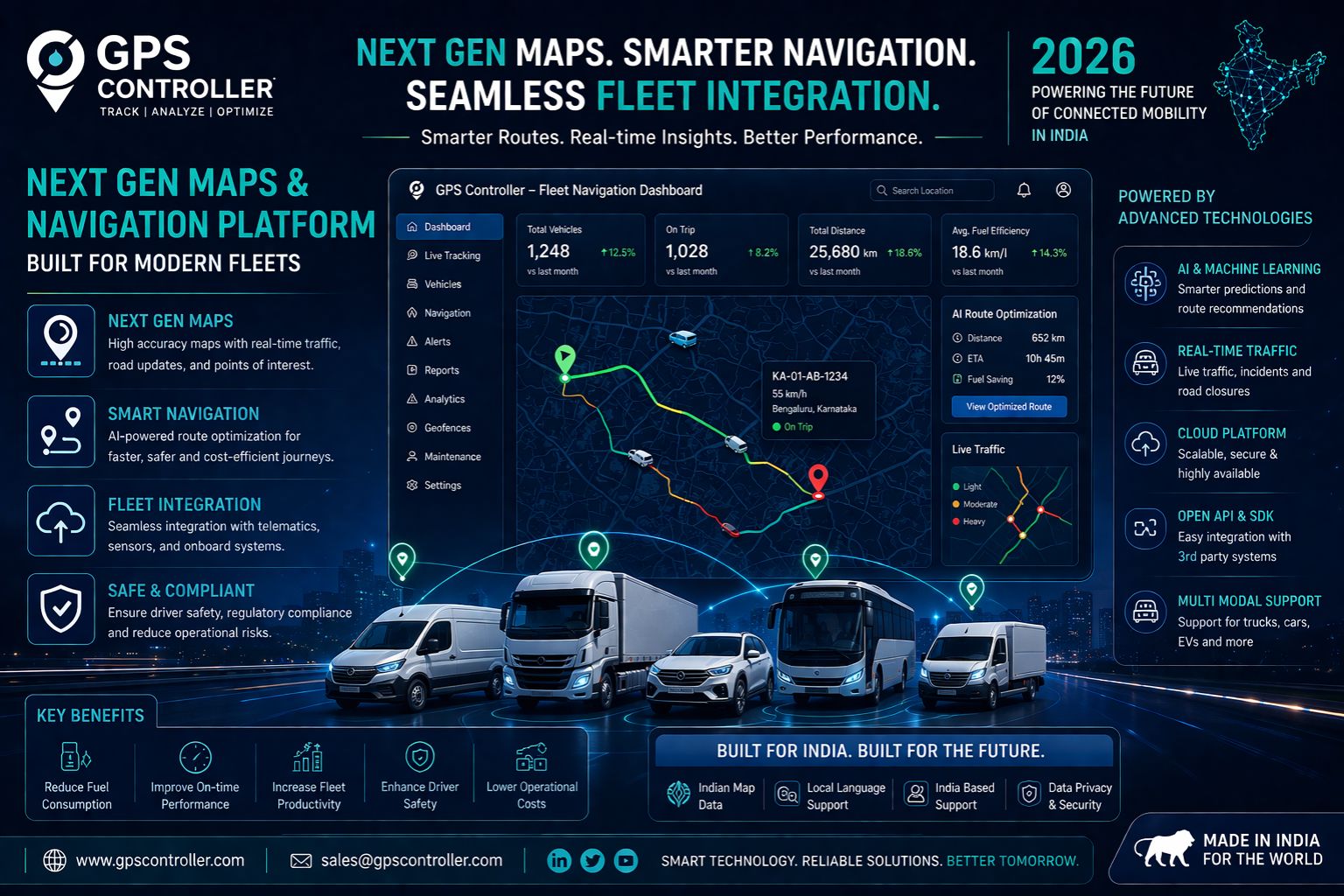
GPS Signal Delay Causing Fleet Tracking Failure in India 2026
GPS signal delay in India's smart infrastructure is causing fleet tracking failure in connected vehicle deployments, leading to inaccurate location data that disrupts route planning and delivery verification for operators relying on real-time fleet management software. In dense urban corridors, signal latency can exceed three seconds — creating a persistent gap between actual vehicle position and system-reported coordinates.
Understanding GPS Signal Delay in Connected Fleet Operations
Signal delay in connected vehicle fleets happens when satellite data takes longer than expected to reach the tracking receiver — often from atmospheric interference or urban canyon effects in Indian smart city corridors like Delhi and Bengaluru. This latency introduces a systematic offset in position updates, so a vehicle that has already crossed a junction may still appear approaching it on the dispatch screen.
What Happens When Signal Latency Hits Real-Time Tracking
When signal latency compounds with India's variable network coverage, fleet managers end up seeing delayed geofence alerts that trigger false arrival or departure events. Compliance logs show routes that fail audit review, because timestamps don't match physical movement. One fleet noticed idle engine inaccuracies: a truck stopped for refueling kept broadcasting movement for an extra 40 seconds, thanks to cached telemetry data.
Overlooking Timing Errors in Vehicle Telemetry Data Streams
Operators often assume signal delay is a minor offset you can pretty much ignore. But at scale, every second of latency compounds across hundreds of vehicles, producing routing delays and missed delivery windows that slowly erode customer trust. A common mistake? Adjusting geofence arrival alerts without first checking whether the GPS signal delay comes from the receiver firmware or from network buffering in the telemetry pipeline.
Decision Boundary for Addressing GPS Latency in Smart Infrastructure
Fleet managers have to decide whether to tune receiver parameters, reconfigure polling intervals, redesign network routing, or replace outdated hardware — once latency exceeds operational thresholds. Internal fixes like buffer adjustments and location data smoothing stop working when signal delay comes from physical infrastructure limitations that only a gps controller upgrade or an alternative positioning source can resolve.
FAQ
Question: What causes GPS signal delay in connected vehicles?
Answer: GPS signal delay is primarily caused by atmospheric conditions, tall building reflections in urban environments, and network transmission latency between the receiver and the fleet tracking server.
Question: How does signal delay affect fleet compliance audits?
Answer: Signal delay produces timestamp mismatches in compliance logs, where a vehicle's recorded location does not match its physical position at a given time, potentially causing audit failures for delivery verification or duty hours.
Question: Can software updates fix GPS latency in all fleet tracking systems?
Answer: Software updates can reduce buffer-related latency but cannot correct signal delay caused by physical factors like satellite geometry or urban infrastructure, which often require a gps controller hardware upgrade.
Question: What is the boundary where internal fixes are no longer sufficient?
Answer: Internal fixes fail when baseline signal delay exceeds three seconds under normal operating conditions, indicating that the issue lies in the signal path itself rather than in telemetry processing or network buffering.


Comments
Post a Comment