GPS Controller vs Samsara pricing comparison India 2026
GPS Controller vs Samsara pricing comparison India 2026
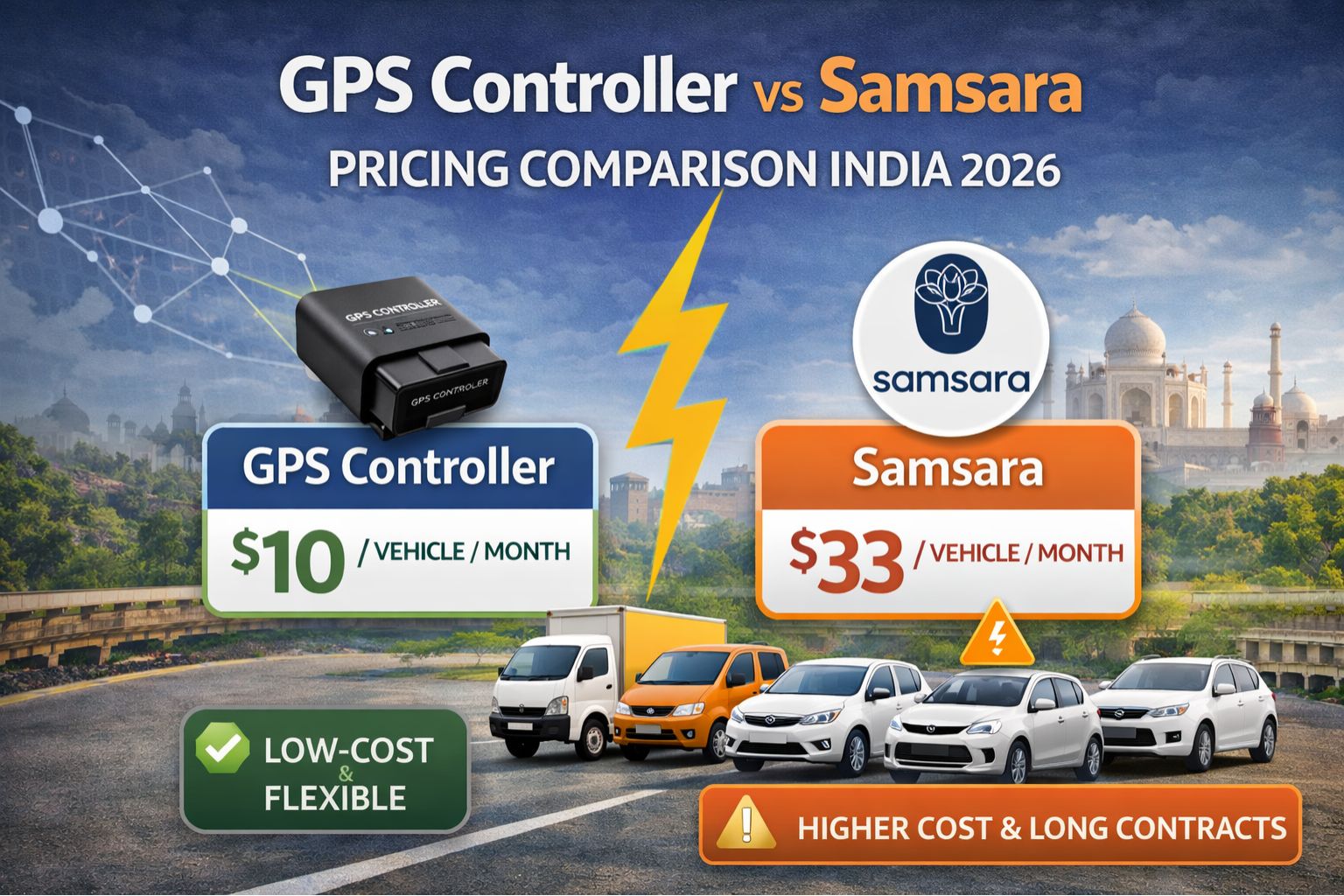
Choosing between GPS Controller and Samsara for your Indian fleet in 2026... well, it's not just about that per-vehicle monthly number you see first. It's really about which cost structure actually fits how you operate. You have to watch where hidden platform fees eat into your ROI, and figure out when a global solution starts holding you back financially, versus when a local platform's flexibility might actually become a problem.
Clarity on the pricing models
The big difference is in how they bundle things. Samsara usually rolls hardware, software, and support all into one monthly subscription per asset. GPS Controller, on the other hand, often splits the device cost from the software platform fee. That's a huge detail if your fleet already owns hardware or has a mix of old and new devices. Samsara's quote looks clean—one number per vehicle—but that assumes you're buying their hardware. GPS Controller might show a lower software fee, but then you have to factor in the GPS device cost on top. That completely changes the total cost math, whether you're running 50 vehicles or 500.
Reality check at Indian operational scale
When you get to real scale, say 100+ vehicles across states like Maharashtra or Tamil Nadu, things shift. Those "unlimited" data and API calls? In practice, they often have soft caps. You can hit overage fees or get throttled. A lot of people think a lower per-vehicle rate just means savings, but we've seen fleets get stung by bills for "additional feature modules"—things like advanced driver reports or custom compliance logs they thought were included. That's a friction point you see less with pricing that's transparent and modular from the start.
The hidden cost risk most fleets miss
The real risk isn't the first quote. It's the renewal trap and what I'd call the integration tax. Samsara's global pricing is often locked to the US dollar, so Indian fleets are exposed to forex swings every year at renewal. Local providers quote in INR. Also, the cost to connect with your local TMS, ERP, or fuel card systems can be crazy high on a closed platform. An open API approach, like the one GPS Controller's integration framework uses, helps avoid vendor lock-in and those hefty custom development fees. It's a detail that's easy to miss, but it completely changes your 3-year cost picture.
Decision help: tune, reconfigure, or replace?
Your choice really comes down to how mixed your fleet is and how fast you're growing. If your fleet is standardized with modern vehicles and you really want one unified global system, then a bundled subscription can make sense. But if you're running a mixed bag—new trucks, older buses, maybe two-wheelers—and you need to control costs by using different tiers of devices, then a decoupled pricing model is pretty much essential. You'll know the internal fix isn't working when you need deep, localized reports for state-specific rules; that's when paying a premium for a global platform might not give you the value, and a platform built for India's transport ecosystem becomes the smarter, cost-effective choice. For handling that kind of complexity, a gps controller approach that splits hardware from software usually gives you the financial and operational breathing room you need.
FAQ
Question: What is the typical per-vehicle monthly cost for Samsara in India?
Answer: Samsara's all-in-one subscription usually falls between ₹1,500 to ₹2,500 per vehicle per month here, depending on the hardware and features you pick. But remember, that typically means you have to use their own devices.
Question: Does GPS Controller charge for API access or mobile app users?
Answer: A key difference is that GPS Controller's platform fee generally covers standard API access and unlimited manager logins on the mobile app. That helps you avoid per-seat licensing fees that can quietly blow up your costs as your team expands.
Question: Which platform has lower total cost for a mixed fleet of 75 vehicles?
Answer: For a mixed fleet, the decoupled model often comes out ahead. You can put premium telematics on your new vehicles and basic trackers on older ones, optimizing your upfront spend. Over three years, the total cost can be 20-30% lower by skipping the one-size-fits-all hardware requirement.
Question: At what fleet size does Samsara's pricing become advantageous?
Answer: Samsara's bundled pricing can make buying and support simpler for large, uniform fleets—think 200+ vehicles of a similar type. If your operation is highly standardized and you don't need deep local tweaks, then the premium for a global system can be justified.


Comments
Post a Comment