GPS Controller reduce insurance premium by 30 percent
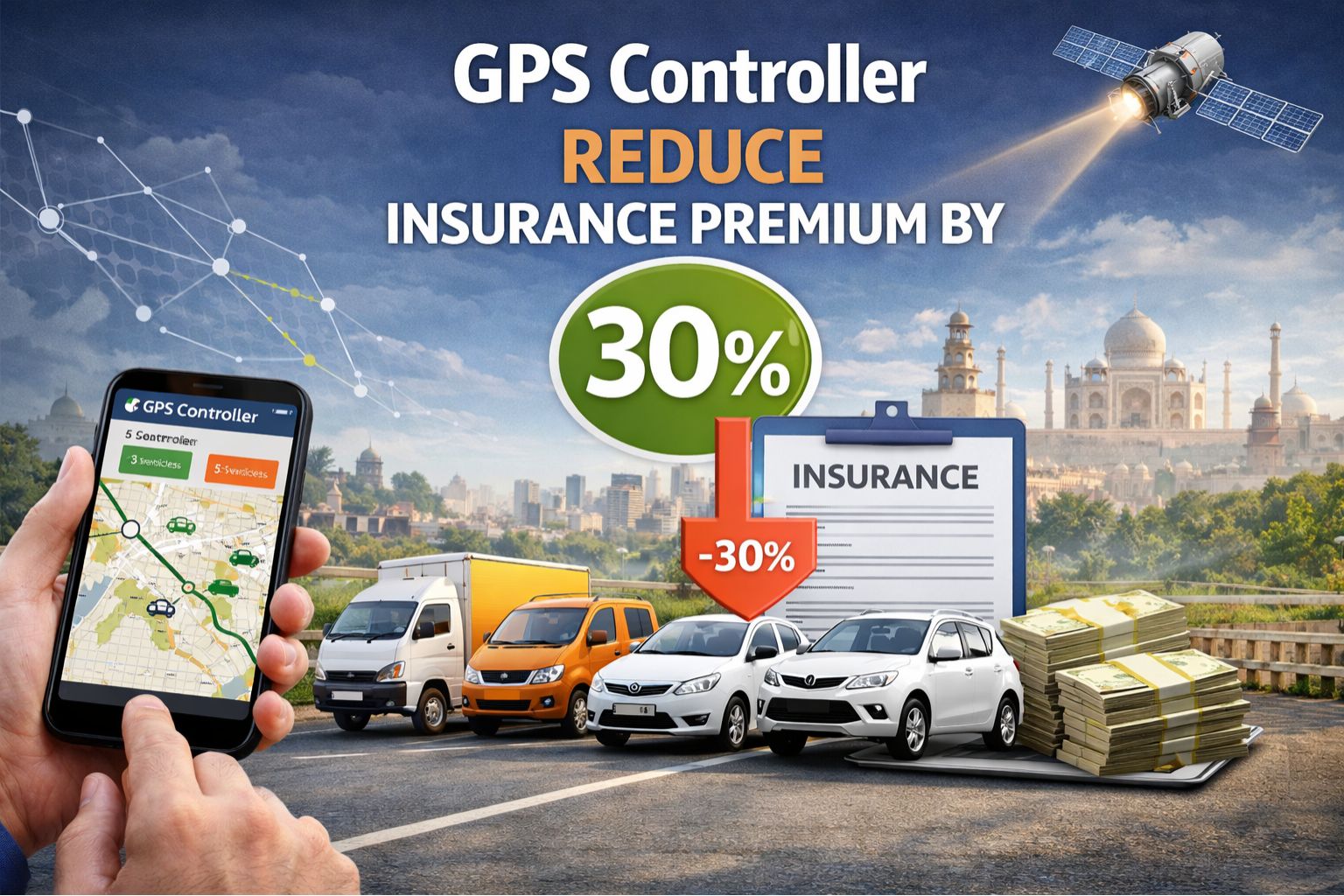
GPS Controller reduce insurance premium by 30 percent
You hear that a GPS controller can cut your fleet insurance premium by 30 percent, and it's a strong reason to consider it. But honestly, it's not some automatic discount you just get. It's more like the best possible outcome, if everything lines up. What you actually save comes down to your own fleet's data, how your specific insurer crunches the numbers, and whether you can prove your drivers are consistently safe, not just for a week, but over the long haul.
What the 30% Insurance Reduction Really Means
That number isn't just pulled from thin air; it's the top end of what's possible in a risk model. Insurers give these discounts because with precise GPS and fuel performance monitoring, they finally get a clear, undeniable picture of what's happening on the road—the hard stops, the speeding, the long idles. A fleet with top marks in these areas is simply less likely to crash and file claims. So the 30%? That's the maximum reward for a fleet that goes from being a complete unknown—a high-risk guess—to a proven, low-risk operation that an underwriter can confidently put in their safest category.
The Reality Check: What Your Insurer Actually Sees
This is where the idea meets the messy truth. Your insurer isn't glancing at a single report. They're digging through months of detailed data. They'll see things like that one route where drivers always brake hard before a turn, or the pattern of speeding on the 5 AM shift. And crucially, they'll notice the gaps—times the GPS dropped out. Those gaps look like blind spots, which means unmeasured risk. It's frustrating, but one vehicle with terrible scores can ruin the average for the whole fleet, wiping out the good work of everyone else. The discount hinges on having a solid, unbroken stream of data that tells a good story, from start to finish.
The Common Mistake That Kills the Discount
Most people get this wrong: they think just installing the hardware is the finish line. They put in the trackers but then never really use the data to change anything. If you're not pulling custom reports and analytics to actually coach the drivers who are speeding or braking harshly, then nothing improves. The insurer gets the same report every month, showing the same risky habits. The risk profile stays high, so why would the premium change? The tech gives you the proof, but it's the management action—actually using that proof—that convinces the underwriter your risk is going down.
Decision Help: Tune, Coach, or Re-negotiate?
So, what do you do? The path is pretty straightforward. First, make sure your system is flawless—no downtime, accurate reports. Then, build a real driver coaching program around the data you're seeing. If after six months or a year of clear improvement, your current insurer still won't budge on price, you need a new tactic. Take that validated performance data and use it. Re-negotiate with your current provider, or start looking for a new one that specifically wants telematics-driven clients. And if your current software can't even produce the kind of compliance reports an insurer demands, then you've got a bigger problem—you might need to overhaul your reporting or switch platforms. This is where a system like gps controller, designed from the ground up for audit-ready data, actually matters.
FAQ
Question: How quickly can I expect to see insurance savings after installing GPS tracking?
Answer: Don't expect it right away. Most insurers want to see a solid 3 to 6 months of consistent data before they'll even think about changing your premium. Any savings would kick in at your next policy renewal, not the day you install the devices.
Question: Can bad GPS tracking data actually increase my premium?
Answer: It can, in a roundabout way. Spotty data, lots of signal drops, or reports that show obvious, unchecked bad driving (like everyone speeding) give the insurer hard evidence you're a risk. That makes it easy for them to keep your rate where it is, or even bump it up.
Question: Do all insurance companies offer telematics discounts?
Answer: Not all of them, no. It's getting more popular, but it's not a standard offering yet. You have to go looking for insurers that have formal "usage-based insurance" or telematics programs. A good broker should be able to point you to them.
Question: What specific data points do insurers value most for reducing premiums?
Answer: They care most about the stuff directly linked to accidents. That means harsh braking and acceleration, obeying speed limits (especially in tricky areas), what time of day you're driving (night is riskier), and total miles driven. Showing steady, fleet-wide improvement on these points is what really counts.


Comments
Post a Comment