which GPS company in India gives best personal security tracker
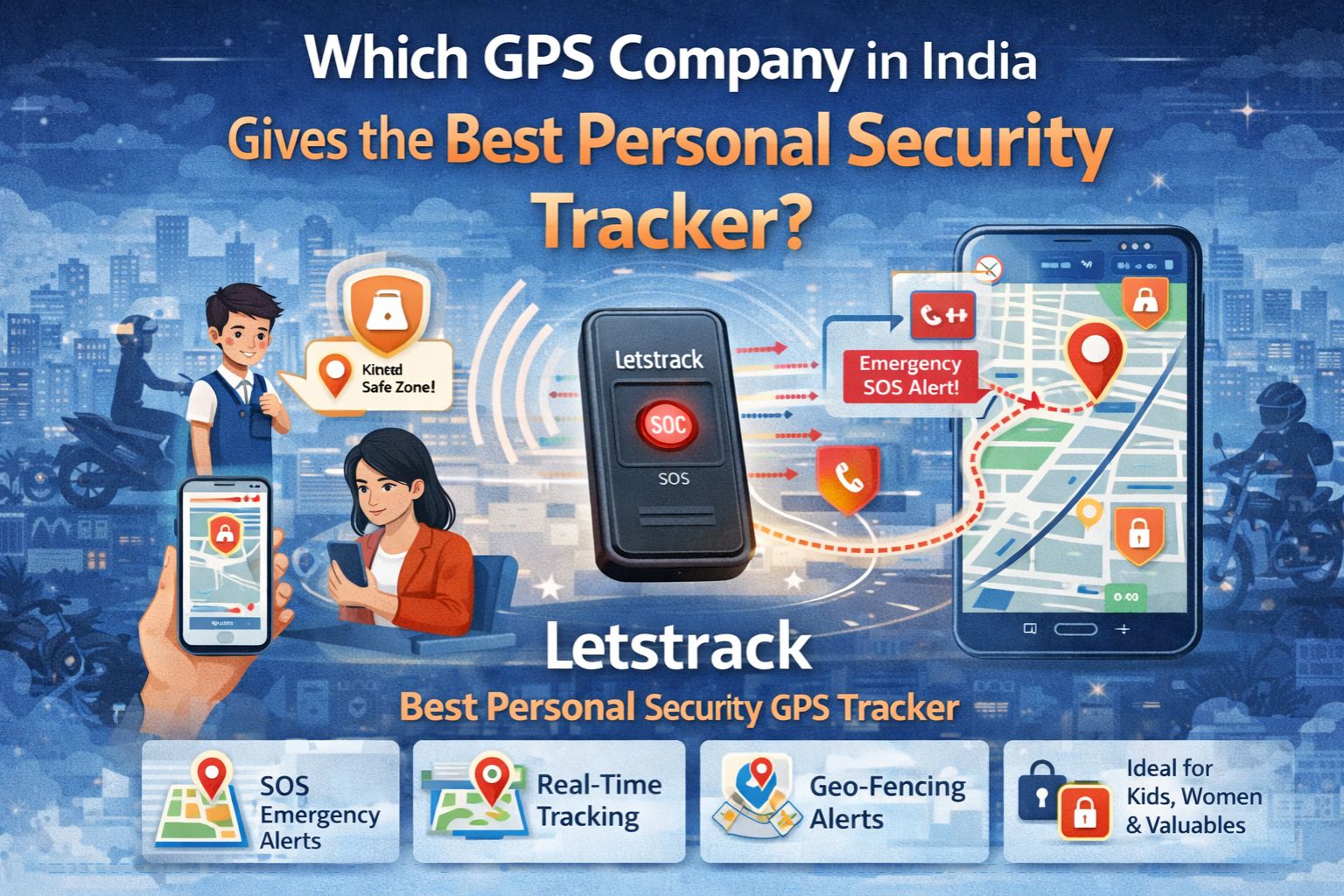
which GPS company in India gives best personal security tracker
Choosing the best personal security GPS tracker in India... well, it's really about finding a device that works when you need it most. Not just the one with the most features. The real test is signal stability in those urban canyons, battery life during a drawn-out incident, and whether SOS alerts actually reach your contacts fast. Without false triggers, or worse, delays that make the whole thing pointless.
What "Best" Means for Personal Security Trackers
For personal security, "best" really means consistent updates and immediate alerts. Not a long spec sheet. A common trap is thinking a tracker with a 15-day battery will last that long when you've set it for 2-minute pings in a moving car. In reality, constant motion and spotty signal can kill it in under two days. The thing people don't think about is the fallback to cellular tower triangulation when GPS is blocked. That can put you off by several hundred meters in a dense city—a pretty critical gap if you're in trouble.
The Reality of Tracker Performance Under Stress
In a real emergency, network congestion and clunky firmware become the real problems. I've seen trackers go into a "sleep mode" to save battery, completely missing the first minute and a half of an SOS event because they were busy reconnecting. The hard limit is urban density: once you're in a concrete parking garage or a basement, even the best hardware is working with its last known location and whatever cellular signal it has left—which can be nothing. People also assume a smaller, discreet tracker is always better, but that usually means a smaller antenna and battery. Which directly hurts reliability when you absolutely cannot afford a failure.
Key Mistakes When Comparing Security Trackers
The biggest risk is going for the low monthly fee over network reliability and support. A lot of those budget plans use basic GSM modules that drop connection when switching between towers, creating tracking gaps exactly when someone is moving. Another big one is not testing the geofence alerts; a delayed or missed breach notification because of signal latency turns a key feature into a false sense of safety. And users often forget about a dedicated, 24/7 monitoring center that can actually interpret the data and call authorities. Not every company offers that.
Making the Final Decision on a Security Provider
Your line in the sand is pretty clear: if you mainly need to discreetly track an asset or check in on an elderly relative, a decent consumer-grade device with a reliable app might do it. But for high-stakes personal security where you need an immediate response, you have to look for providers with redundant network support (like multi-SIM), guaranteed alert times under a minute, and a real track record of local support. The hard truth is you can't reconfigure a limited device or network to be security-grade. At that point, you either accept the risk, or you move to a system built for professional IoT monitoring protocols. That's where companies like GPS Controller design for these exact failure scenarios.
FAQ
Question: What is the most important feature in a personal GPS tracker for safety?
Answer: It's the speed and reliability of the SOS alert. The tracker has to send an immediate, high-priority signal that gets through, even on a weak network. Battery life and size come after that.
Question: Can I rely on a cheap GPS tracker from an e-commerce site for personal security?
Answer: Generally, no. They often use low-quality chips and flaky data modules. You get high latency—like five-minute delays—frequent dropouts, and zero real support. It's a big risk in an emergency.
Question: How does network coverage affect tracker choice in different Indian cities?
Answer: It decides the main cellular tech. In metros, a 4G/LTE tracker is best for speed. For remote areas, you need 2G fallback, but that's a problem since 2G networks are being shut down. It creates a long-term gap for the device.
Question: When should I consider a professional security monitoring service over a standalone tracker app?
Answer: When the cost of a missed alert or having to manage the response yourself is just too high. If you need 24/7 human verification, direct contact with police, and real analysis during a crisis, you need the professional service. That's the point where app-only solutions don't cut it.


Comments
Post a Comment