Waterproof GPS Tracker Failure on Indian Construction Sites
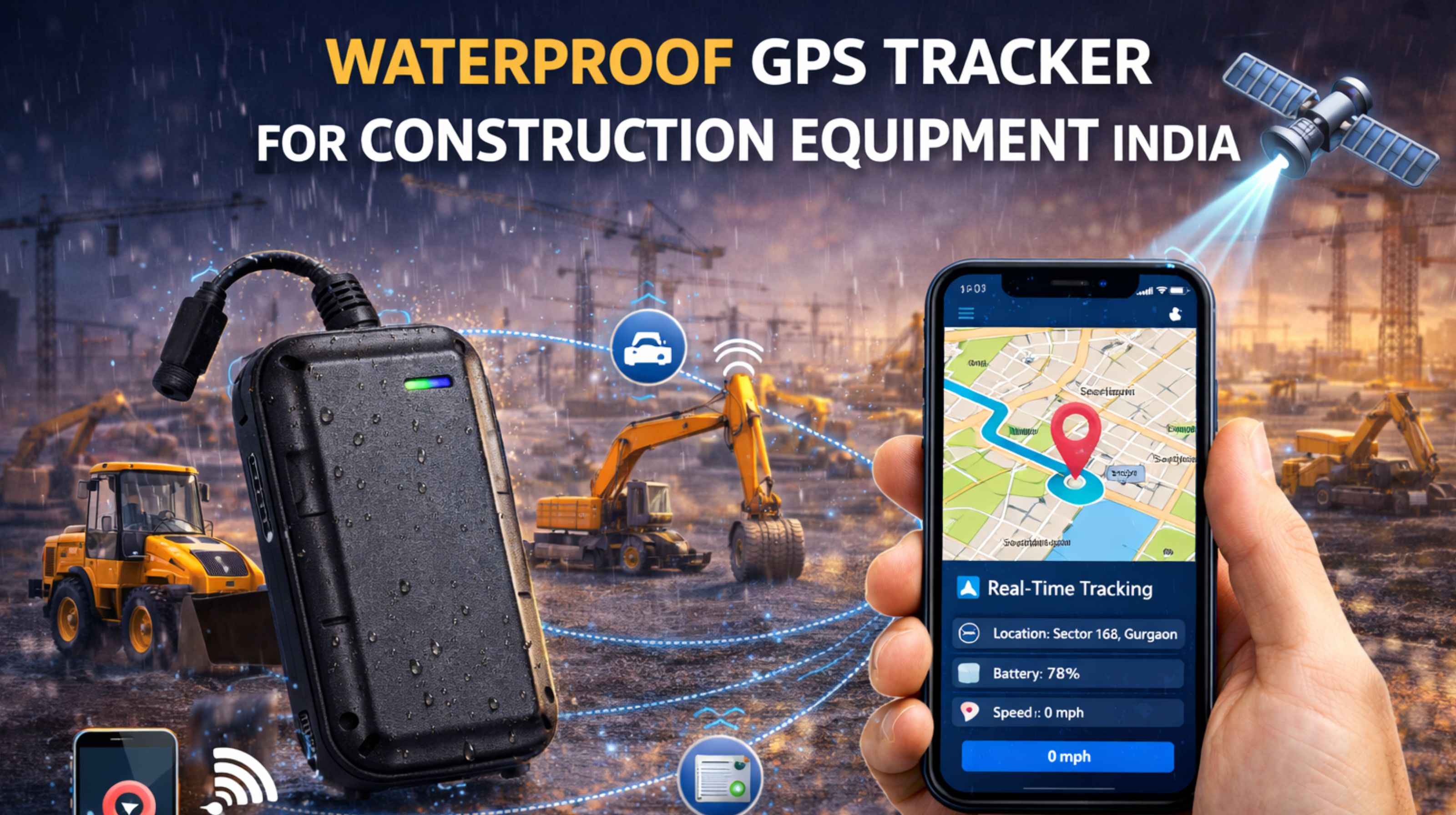
Waterproof GPS Tracker Failure on Indian Construction Sites
Putting a waterproof GPS tracker on construction equipment in India, you often end up with delayed geofence alerts and spotty signals in those dense urban redevelopments—it's not just about the monsoon failing. The real problem is thinking an IP68 rating can handle the mix of laterite dust, constant vibration, and those cellular dead zones you get near excavation sites. That combo creates a cascade of location pings that drains the battery and ends up obscuring where the equipment actually moved.
What Waterproofing Really Means on a Live Indian Site
You've got to be clear here: ingress protection isn't the same as operational reliability. A tracker sealed for a hose-down at the depot will fail when fine concrete dust works its way into the SIM card slot over weeks. That leads to a gradual signal loss that IoT asset monitoring software often misreads as the device just being in 'sleep mode', not a hardware fault. Usually, the first clue is a mismatch between the fuel report and the logged engine hours.
The Reality Under Monsoon and Scale Pressure
When you're tracking 50+ mixed assets—excavators, mixers, portable generators—the network latency just piles up. A tracker might survive a dunk in a water-filled trench, but its cellular module can't hand off between tower networks fast enough on those peri-urban sites. That causes location data to arrive in batches, hours later. This kind of delay completely breaks real-time theft alerts and makes geofencing alerts pretty useless for managing subcontractor movement across multiple projects.
Common Mistake and Escalating Risk
The usual wrong assumption? Focusing only on the waterproof rating and ignoring how the GNSS antenna performs under steel canopies or inside shipping containers on site. That causes the 'last known location' to stick for hours, creating a false sense of security in your logs. The escalated risk is an audit mismatch: your compliance reports show equipment utilization, but the physical asset is actually idle or stolen. That opens up a major financial and insurance documentation gap.
Decision: Reconfigure, Redesign, or Replace
The boundary for internal fixes is usually vibration-induced corrosion on the internal connectors. You can try reconfiguring ping intervals and network APN settings, but if alerts are delayed because of internal moisture from daily thermal cycling in a backhoe, then the housing seal has failed. Beyond that point, you need a redesign with a conformally coated circuit board, or a full replacement with a device built for sustained vibration and dust. A proper gps controller platform should help you manage this hardware transition without losing your data.
FAQ
q What IP rating is truly sufficient for Indian construction equipment?
a IP68 is a starting point, but the dust ingress rating (that '6') is critical. You should look for devices tested to MIL-STD-810G for vibration, because constant jolting breaks seals faster than water pressure does.
q Why do my waterproof trackers still lose signal in city projects?
a That signal loss is often from cellular network congestion, or because the tracker's mounted under thick steel frames. Waterproofing doesn't improve antenna sensitivity; for low-reception spots like that, you need a device with ports for an external antenna.
q How does monsoon season break tracking beyond water damage?
a High humidity corrodes the unprotected external antenna connectors, not just the main unit. Also, the site internet for the gateway often fails, which causes data to queue up on the device until its memory fills and it starts throwing away new location points.
q When is it time to replace a fleet of waterproof trackers?
a When you see consistent 4+ hour delays in location updates across multiple sites and carriers. Or when audit reports keep showing engine-on events with zero movement—that points to a fundamental sensor or comms failure that you can't tune your way out of.


Comments
Post a Comment