waste collection route GPS tracking software 2026
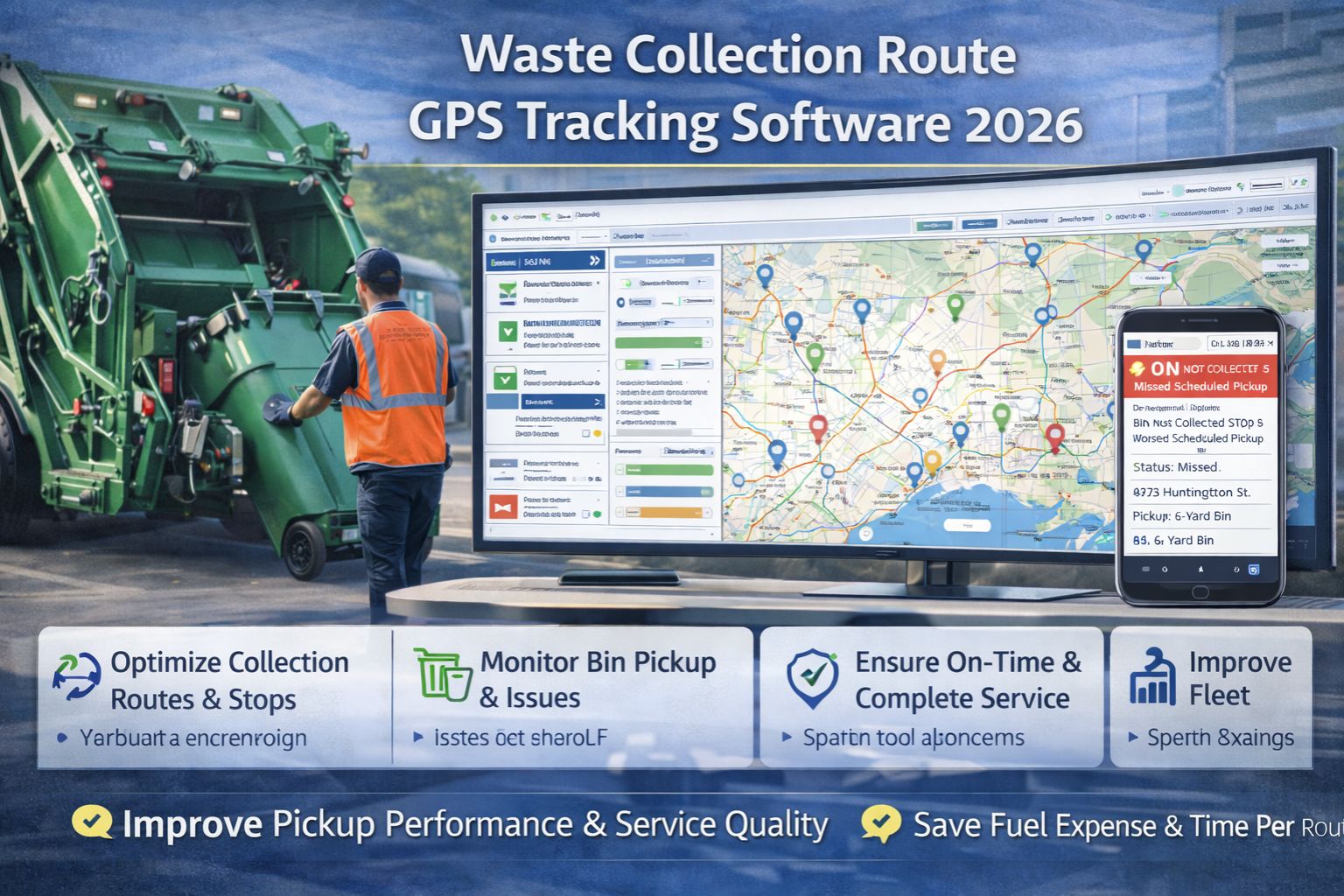
waste collection route GPS tracking software 2026
So your waste collection route GPS tracking software says a truck is right on time, but the onboard telematics insists it's still three streets back. That's not some minor glitch you can ignore—you're basically watching a cascading operational failure happen in real time. For 2026, the real problem isn't the map itself. It's that lag, the latency between the satellite signal, the software crunching the numbers, and what finally pops up on the dispatch dashboard. It creates this... dangerous illusion that you're in control, while pickups get missed and your overtime budget just explodes.
What GPS Lag Really Means for Daily Pickups
This lag, it's not just a dot being in the wrong place. It's your driver finishing up a cul-de-sac while your software still shows them turning into it. That mismatch means geofence alerts for serviced bins go off minutes late. So your dispatcher might be frantically rerouting a truck that's already gone. On those tight urban routes with impossible time windows, this software delay isn't theoretical. It directly means missed collections, and then you get the wave of customer complaints when residents watch the truck drive right past.
The Scale Problem: When 5-Second Delays Break the Route
Think about scale for a second. A 100-truck fleet with a consistent 5-10 second delay on every vehicle? It corrupts your entire network's situational awareness. Your fleet management software dashboard paints this pretty picture of a synchronized fleet, but in reality, all the trucks are out of phase. It makes dynamic rerouting—you know, around a road closure or a breakdown—almost useless. The software is trying to optimize based on where your trucks *were*, not where they *are*, so it ends up sending them into congestion they should be avoiding.
The Costly Mistake: Assuming New Hardware Solves Software Latency
Here's a common and really expensive trap: thinking you can just throw new GPS devices at the problem. A lot of the time, the latency is buried in the software's data aggregation layer, or in how it talks to other systems (those API layers), not in the hardware itself. Sure, upgrading all your telematics units might get you faster raw data. But if the tracking platform's own architecture is designed to batch location pings every 30 seconds to save on cloud costs, you're still stuck with a half-minute blackout. You'd have spent all that money on hardware, but the core real-time vehicle tracking promise is still broken.
2026 Decision: Reconfigure the Platform or Replace It
The decision you have to make is pretty stark. You can try to tweak your current software—adjust the update intervals, fiddle with the alert thresholds. But if the whole architecture is built on slow data polling, you're just tuning a system that's already at its limit. When your drivers are consistently ahead of what the dispatch map shows, and your compliance logs for landfill visits have wrong timestamps, those internal fixes just aren't enough. The choice for 2026 is this: accept these operational gaps as a cost of doing business, or replace the platform with one built for true real-time sync. You need a system where the software, like what gps controller offers, actually manages the data flow, not just pretty pictures of it.
FAQ
Question: How does GPS delay actually affect my waste collection routes?
Answer: Honestly, it creates a "ghost fleet" on your map. Trucks look like they're at stops they've already done, or are approaching ones they passed ten minutes ago. It throws off dispatch completely, leads to missed pickups, and makes giving accurate ETAs to municipalities impossible. That's a direct hit to your contract compliance.
Question: Can't we just get faster GPS devices to fix this?
Answer: Probably not. The bottleneck is usually in the tracking software's own processing pipeline. New devices might report more often, but if the software platform batches or throttles that data to ease server load, you're still stuck with major lag. You have to look at the whole data flow, not just the gadget at the end.
Question: What are the compliance risks with lagging tracking software?
Answer: The risks are serious. Inaccurate timestamps for landfill weigh-ins and weigh-outs can violate your permit conditions. Your route completion reports become... let's say unreliable. If an audit ever compares the truck's own engine data to your software's reported location times and finds a consistent gap, they could question your entire operation's reporting.
Answer: You'll know it's time when the drivers stop trusting the dispatch system because its instructions are based on where they were 30 seconds ago. And when your "dynamic routing" suggestions consistently make the day worse, not better. That breakdown in trust, plus the rising overtime and missed service targets, is the signal. It means a platform-level redesign—or a full replacement—is the only way out.


Comments
Post a Comment