Tamper Proof GPS Tracker Failure in High Value Cargo Shipping
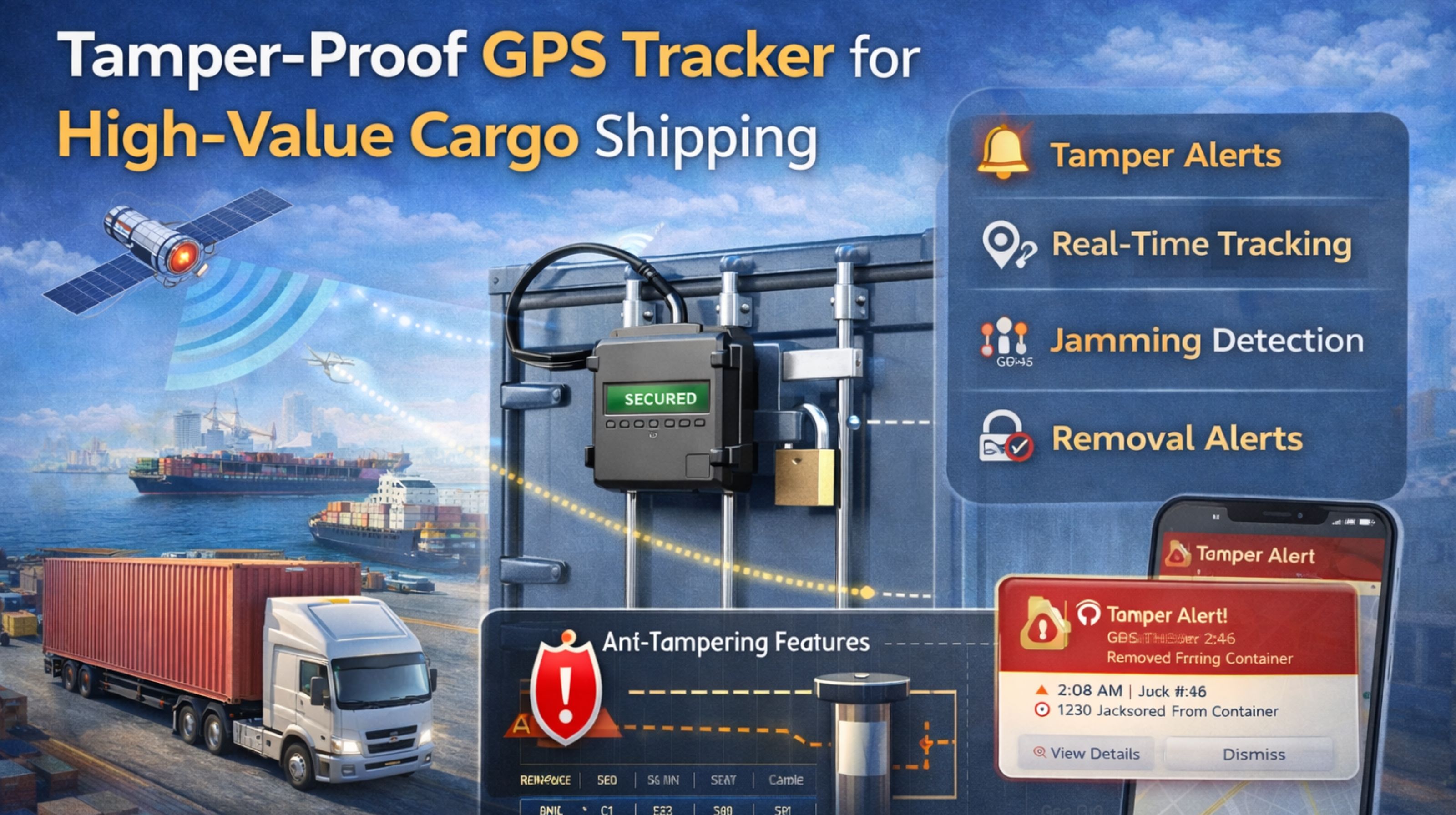
Tamper Proof GPS Tracker Failure in High Value Cargo Shipping
When a tamper-proof GPS tracker for high-value cargo fails, it's rarely just an offline alert. What you actually get is a cascade of problems—signal jitter, delayed geofence breaches, a critical audit mismatch—that leaves you blind during a live shipment. Honestly, the assumption that "tamper-proof" means "failure-proof" is the first, and maybe biggest, misunderstanding that can escalate into a total loss.
What Tamper Proof Really Means in Live Cargo Tracking
In the real world, a tamper-proof tracker signals its own compromise through specific data patterns, not just a dead signal. You might see repeated, brief signal drops followed by normal transmission. That's a classic sign of someone testing cellular or GNSS antenna interference without fully disconnecting the device. This jitter is something we see happen before a full blackout, and it's often missed by basic geofencing alerts that are only set up to look for complete silence.
The Reality Under Real Shipping Scale and Load
At scale, with hundreds of containers moving, the failure shifts. It's not just a single device issue anymore; it becomes a systemic data error. One tracker reporting impossible jumps—like a container suddenly appearing 50 miles away in seconds—can actually corrupt route optimization for an entire fleet segment. The crucial detail is the controller's server logic: how it handles these "impossible" GPS pings under load. That logic determines whether you get a timely fraud alert or a silent data corruption that completely invalidates your chain-of-custody logs.
Common Failure Patterns and Wrong Assumptions
The most damaging assumption? That physical hardening prevents all tampering. Sophisticated interference targets the data link, not the box itself. Attackers use low-power jammers on the 4G LTE or GNSS frequencies, which causes the tracker to enter a failed "searching" state. That drains its backup battery within hours. What you'll see are delayed or queued location packets suddenly appearing in your fleet management software long after the event, creating a completely false timeline. This workflow dependency on real-time data is what breaks compliance audits—the ones that require minute-by-minute accountability.
The Decision: Tune, Redesign, or Replace Your Tracking Layer
The boundary for internal fixes is pretty clear: if your system can't tell the difference between signal jamming, physical tamper, and a legitimate dead zone, you need a redesigned monitoring layer. Sure, tuning alert thresholds can reduce false positives. But when you're facing coordinated interference that mimics network congestion, a hardware and protocol redesign becomes necessary. This is the point where a dedicated gps controller platform with multi-network fallback and cryptographic heartbeat verification turns into the non-negotiable requirement for high-value shipments. It's about moving beyond simple location reporting.
FAQ
q How do I know if my GPS tracker is being jammed?
a Look for a specific pattern: the device reports normal GPS accuracy, then suddenly shows "GPS invalid" or extreme HDOP values, while the cellular signal strength stays strong. That mismatch between network and satellite status is a key jammer signature.
q Can a tamper-proof tracker still be disabled?
a Yes. It can happen through external radio frequency interference (jamming) or by exploiting the delay between a tamper alert and a human response. If the alert system isn't integrated with immediate secondary protocols, the window for theft is still open.
q What happens to my cargo insurance if the tracker data is corrupted?
a Most policies require an unbroken, verifiable data trail. Corrupted or implausible data—like time jumps—can create a compliance gap. That allows the insurer to dispute the claim based on inadequate monitoring, which shifts liability back to you.
q When is it time to replace our entire tracking system?
a When tamper events lead to data loss that actually impacts audit results or insurance claims, and your current platform can't provide cryptographic proof of data integrity and device health. At that point, you need a replacement focused on evidence-grade tracking, not just another durable device.


Comments
Post a Comment