Real-Time Car GPS Tracker Failure Under Fleet Load
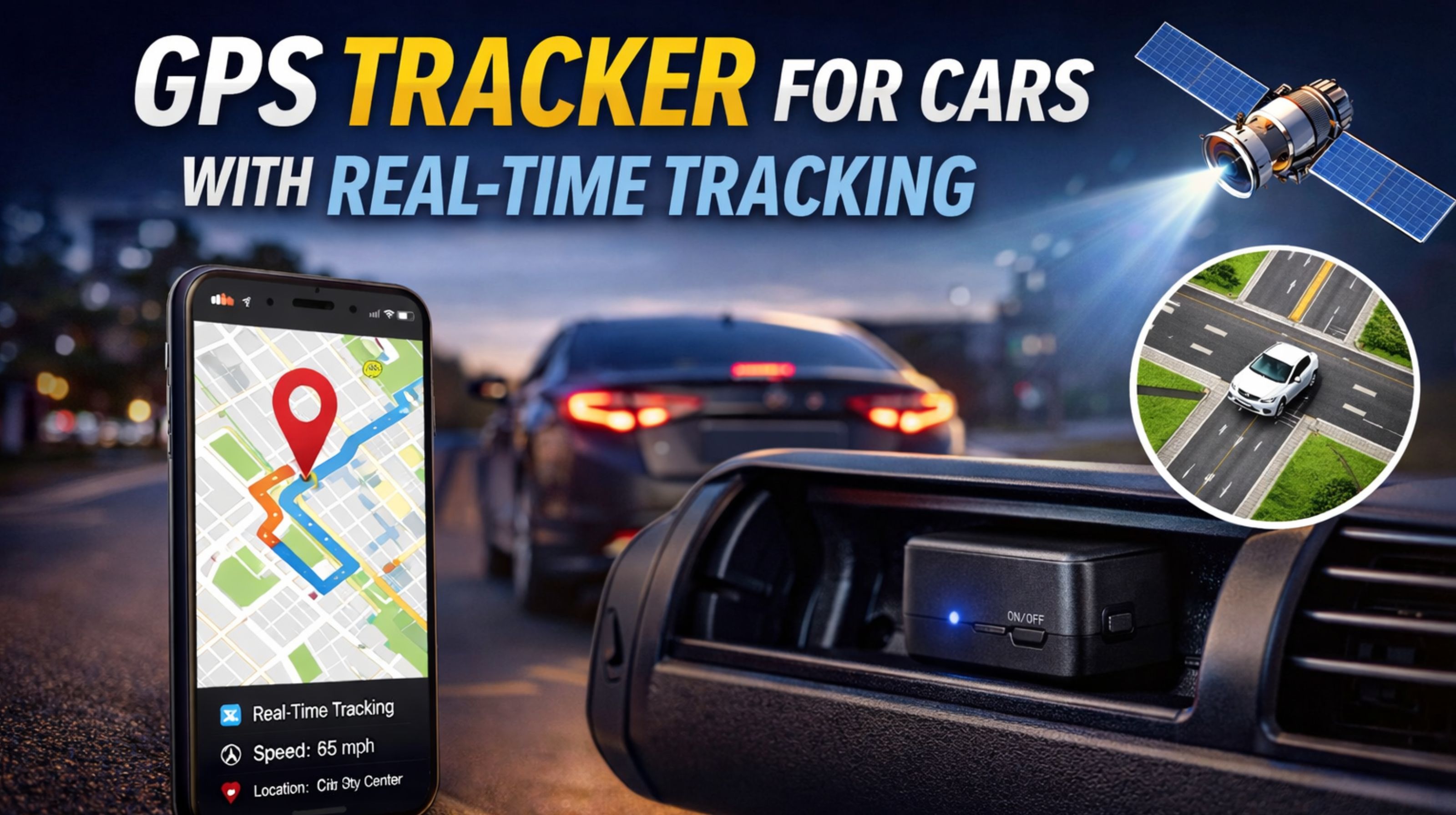
Real-Time Car GPS Tracker Failure Under Fleet Load
So, when a real-time car GPS tracker promises live updates but then gives you delayed, jittery data once your actual fleet is running, it's not just annoying. It's a critical signal loss that starts a chain reaction—compliance gaps, operational blind spots, the works. That gap between the smooth demo and the reality of managing 50+ vehicles through urban canyons and rural dead zones... that's exactly where most tracking systems fall apart.
What Real-Time Tracking Actually Means for Fleet Vehicles
In fleet management, "real-time" is a bit of a moving target. It's really defined by network latency and the device's heartbeat, not some magic live video feed. Think about it: a tracker reporting every 30 seconds downtown can suddenly drop to 5-minute updates in a tunnel. That lag is dangerous, especially for something like geofence alerts on deliveries or security zones. That jitter? It's usually the first clue your system is straining under real conditions, not a controlled lab test.
The Reality Check of Scale on Live Vehicle Data
Under a real operational load, the failure mode is rarely a total blackout. It's more of a gradual data decay. You'll notice idle engine time inaccuracies start to pile up, which makes your fuel reports basically useless. Or you'll watch a vehicle's route stutter and jump on the map, creating phantom stops that never happened. These data errors hit driver accountability and fuel performance monitoring hard, turning your operational dashboard from a tool into a source of flawed decisions.
Common Mistakes That Escalate Tracking Failure
Here's a big one: blaming "poor signal" and stopping there. Often, the real failure pattern starts with misconfigured reporting intervals that drain device batteries too fast. Or it's a platform that just can't handle batch-processing a high frequency of pings from hundreds of assets. Teams end up wasting weeks tweaking individual units, when the core problem is the system architecture itself—it was never built for the sheer volume and speed of true fleet-scale real-time vehicle tracking.
Decision Help: When to Fix, Reconfigure, or Replace
The line is pretty clear. If your team is manually reconciling GPS logs with paper fuel receipts, or if you're missing critical state mileage reports because of data gaps, then internal fixes aren't going to cut it. You've hit a platform limitation. At that point, the choice is between a costly, piecemeal redesign of your entire data pipeline, or moving to a system—like a gps controller—that's actually engineered from the ground up for high-volume, low-latency telemetry. Where reliability is a built-in feature of the architecture, not just a bullet point on a sales sheet.
FAQ
q How accurate is real-time tracking for cars?
a It really depends on the network and the device. In practice, "real-time" often means updates every 30 to 120 seconds, with much bigger delays in dense cities or remote areas. That leads to vehicle icons being in the wrong place and notifications showing up late.
q Can a GPS tracker lose signal in a city?
a Yes, and it happens all the time. Those urban canyons from tall buildings cause severe signal interference (multipath effect), which makes location points "jump" around or leads to complete, temporary signal loss. Most consumer-grade trackers can't buffer through this effectively.
q What happens to tracking data when the car is off?
a A lot of devices switch to a low-power sleep mode, which dramatically increases the time between reports. This creates huge data gaps, especially for trip start and stop times. It's a critical flaw if you need the data for security or compliance reporting.
q When should you replace a fleet tracking system?
a Replace it when the data errors start causing regular breakdowns in your workflow—like daily reconciliation failing or constant audit mismatches. If your dispatch team no longer trusts the dashboard for daily decisions or compliance, the system has functionally failed. That's when you need to look at a gps controller built for operational integrity.


Comments
Post a Comment