Hydrogen Truck GPS Software Integration Failure Risks
Hydrogen Truck GPS Software Integration Failure Risks
Putting GPS tracking software into a hydrogen fleet management system isn't just about adding a map. It's really about building that single, reliable source of truth for hydrogen use, station routing, and tank pressure. Get this wrong, and your dispatchers might see a truck's location but completely miss the fact it's about to run out of fuel with no available station on its current path. That's not an inefficiency—it's an immediate operational breakdown.
What Hydrogen Fleet Integration Actually Means
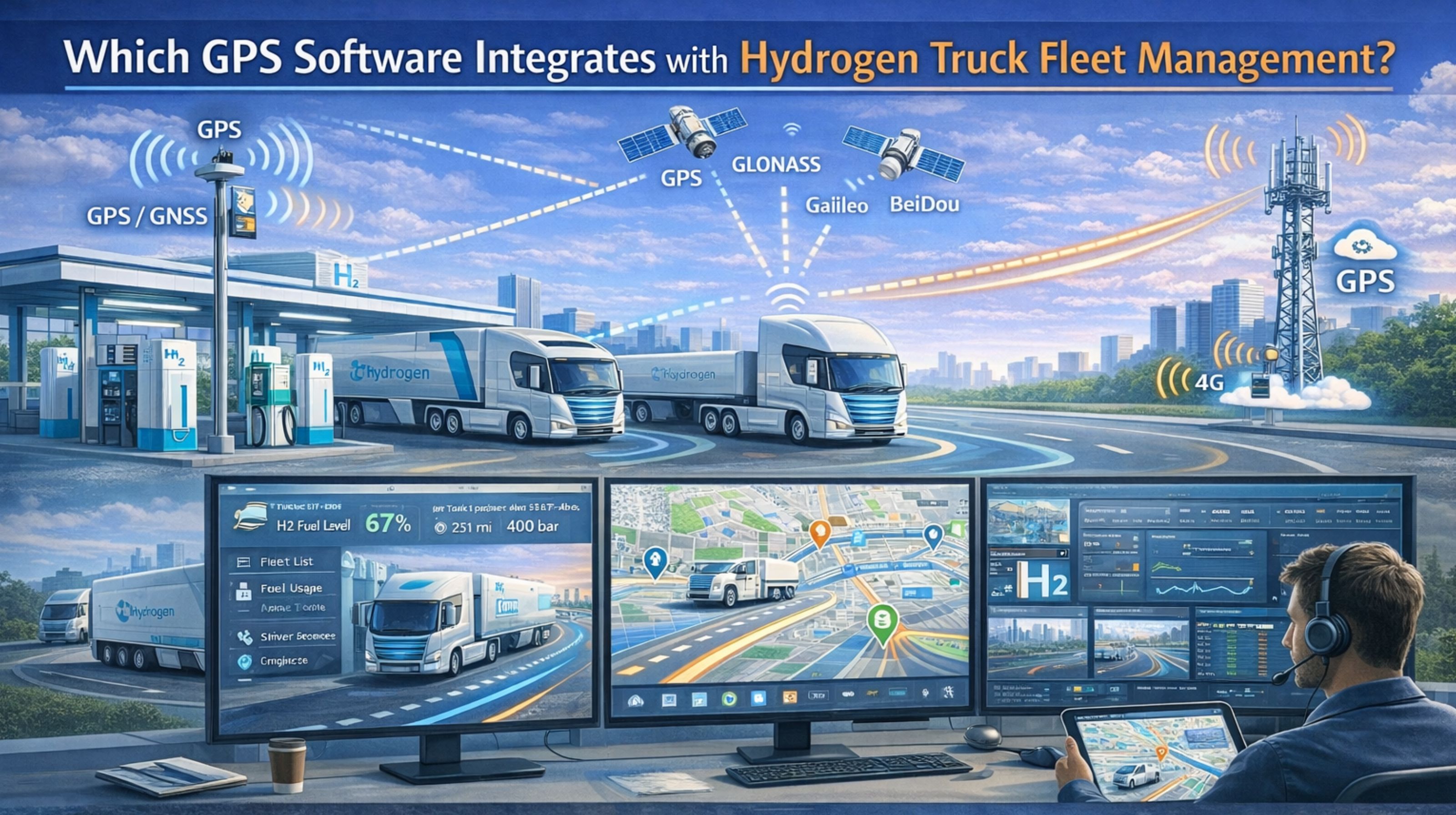
Real integration is when your GPS platform's API actually pulls in live data straight from the vehicle's hydrogen fuel cell system—things like tank level, pressure, consumption rate—and blends it seamlessly with location and route data. Too often, we see fleets where the GPS shows a truck right on schedule, but a completely separate hydrogen console is flashing a critical low-pressure alert. That alert never makes it to the dispatch software to trigger a reroute, and suddenly you've got a stranded asset.
The Reality of Scaling with Disconnected Systems
When you start to scale up, trying to manually match data between a standard fleet management software dashboard and a standalone hydrogen monitoring system just falls apart. The lag in connecting a truck's idle time to, say, abnormal hydrogen purge events from the fuel cell logs can hide efficiency losses that add up to thousands every month. Your tracking tool effectively becomes a source of expensive misinformation.
Common Integration Mistakes That Escalate Risk
Probably the biggest error is assuming a standard telematics API can handle hydrogen-specific data, like mass flow sensor readings or station purity logs. The truth is, most GPS platforms were designed for diesel gallons, not kilograms of H2 at specific pressures. This assumption leads to a flawed setup where fuel performance monitoring reports might show "fuel used," but the number is useless for calculating actual hydrogen cost-per-mile or for carbon credit paperwork. That's how you end up with audit and compliance holes.
Decision Help: Reconfigure API or Replace the Platform
The line is pretty clear here. If your current GPS software provider can't—or won't—map custom data fields for hydrogen mass, station geofences, and pressure alerts directly into its core reporting and alerting system, you need to replace it. Internal workarounds with separate dashboards always crumble when you need to make real-time dispatch calls. A platform built for this, like gps controller, handles the deep integration, but your choice is basically all-or-nothing: full native support, or you're headed for an inevitable data split.
FAQ
q What GPS software works with hydrogen trucks?
a You need to look for platforms that specifically talk about open API frameworks that can take in custom CAN bus data, not just the standard OBD-II stuff. They have to support creating geofences around hydrogen stations and setting alerts based on custom fuel-level points, not just a generic "low fuel" warning.
q How do you track hydrogen fuel consumption with GPS?
a It demands that the telematics device is directly hooked into the fuel cell system's data bus to send hydrogen mass (in kg) and pressure. Standard GPS tracking that guesses fuel use from engine RPM is totally wrong for hydrogen electric vehicles.
q What is the biggest risk in hydrogen fleet tracking?
a Data silos. If hydrogen levels and station locations aren't in the same real-time screen as your route planning, you could easily send a truck to a station that's offline or out of fuel. That's a major service failure. Avoiding it requires deep API integrations, way beyond just sharing a location.
q When should you replace your GPS software for a hydrogen fleet?
a The moment your team is juggling two separate sources of truth—one for location and routing, another for hydrogen system health—and doing manual cross-references. That's the failure point. The right gps controller brings this data together natively, which cuts out the risk of delayed decisions.


Comments
Post a Comment