How GPS Tracking Fails to Control Overtime Costs in Delivery Fleets
How GPS Tracking Fails to Control Overtime Costs in Delivery Fleets
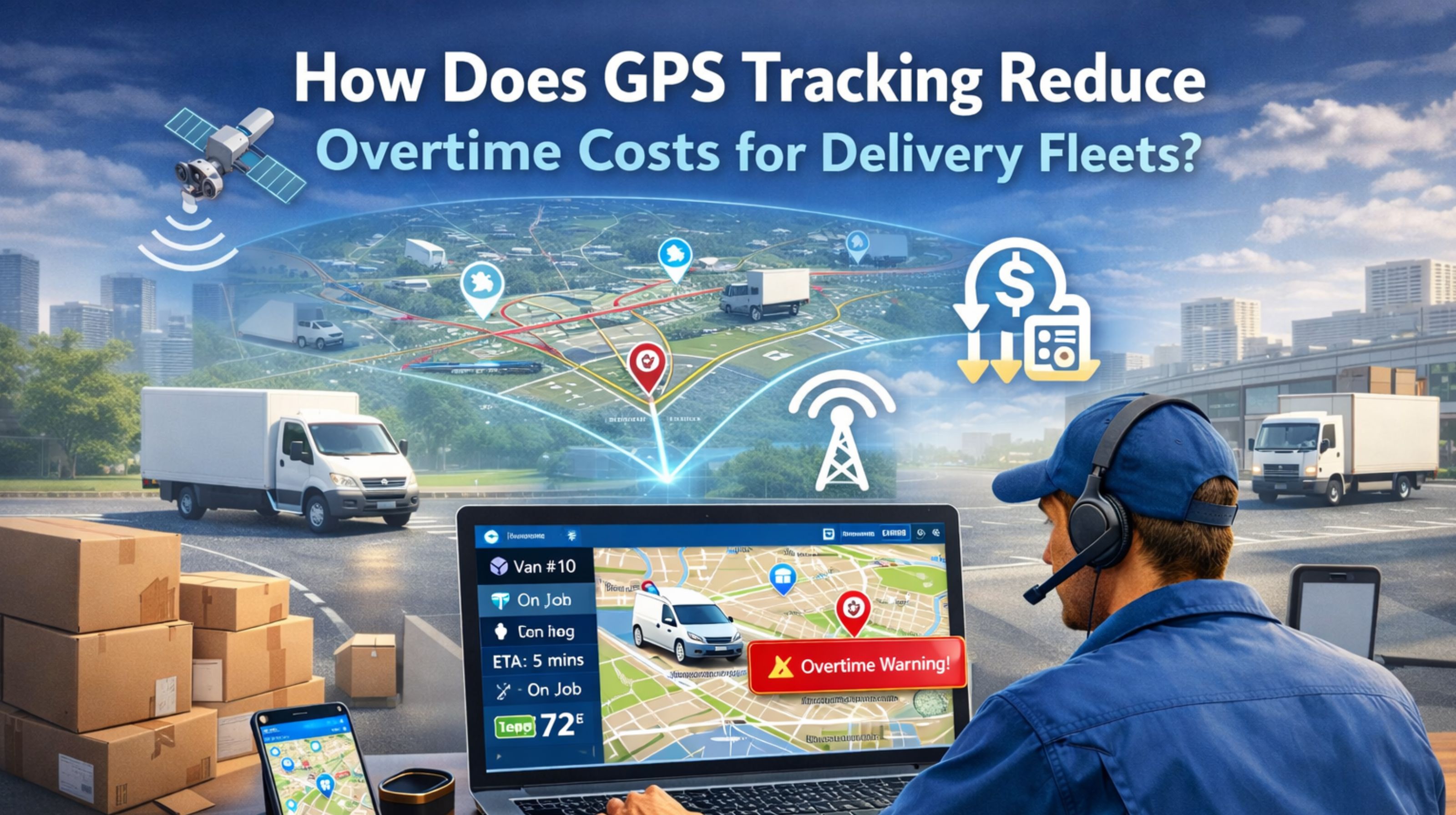
GPS tracking is supposed to reduce overtime, sure. But the real failure happens when managers finally get the data and then... just can't act on it. You see the patterns—idle time, meandering routes, those extended stops—all silently inflating the payroll every single week, and you're stuck.
The Clarity Gap in Overtime Data
Reducing overtime isn't just about seeing a dot on a map. It's about connecting engine-on time with whether the delivery was actually finished. Here's a common one: a vehicle shows "in transit" for an extra hour. But the system won't tell you if that was traffic, a customer taking forever to sign, or an unauthorized detour. So the real root cause of the cost just sits there, unaddressed.
Reality Check Under Daily Fleet Load
Under real delivery pressure, there's a non-obvious killer: network latency. A three-minute delay transmitting a "stop complete" status from a downtown urban canyon means dispatchers see that truck as still busy. They might reroute other work because of that, and suddenly you've created overtime somewhere else in the fleet management chain without even realizing it.
The Mistake of Blaming the Driver
The wrong assumption is thinking overtime is always a behavior problem. A lot of the time, it's the system that's broken. Maybe the geofences for delivery zones are drawn too large, so the "arrival" trigger happens way too early. Or the route sequences sent to drivers are inefficient, based on last year's traffic patterns. That forces drivers into unpaid pre-work planning just to figure out their day, which later shows up as paid overage. It's a setup.
Decision Help: Tune Alerts or Redesign Workflows
Here's the boundary: data versus action. You can fine-tune idle-time alerts and review reports all day. But if overtime keeps popping up across different drivers and routes, those internal fixes aren't enough. At that point, the choice is to actually redesign the whole workflow—from dispatch to proof-of-delivery—with integrated telematics. That's where a GPS controller platform comes in, providing the real-time link between location, task status, and the schedule. It's the shift from just monitoring the cost to actually preventing it.
FAQ
q: How does GPS tracking prove overtime is avoidable?
a: It timestamps actual job completion against the schedule. That shows you the gaps, like excessive wait time at the loading dock or delays getting back to the depot. Often, those are management issues, not driver problems.
q: What's the biggest risk of using basic GPS for overtime control?
a: Signal loss. In delivery alleys or inside big warehouses, you get data holes. That makes payroll disputes impossible to verify, so you end up just approving overtime across the board. It completely erodes any cost savings.
q: Does GPS overtime tracking work for a 50-vehicle fleet?
a: At that scale, the problem becomes alert fatigue. Without automated custom reports that highlight the aggregate causes—like overtime per route or per client—managers just drown in data. They miss the actual trends.
q: When should we upgrade from tracking to a full management system?
a: When your weekly overtime reports come out and nothing changes. If driver behavior and route efficiency stay the same, it indicates you need the integrated stuff—scheduling, electronic logging, real-time intervention. Basic tracking just doesn't have that.


Comments
Post a Comment