how does GPS Controller reduce fuel theft in commercial vehicles 2026
how does GPS Controller reduce fuel theft in commercial vehicles 2026
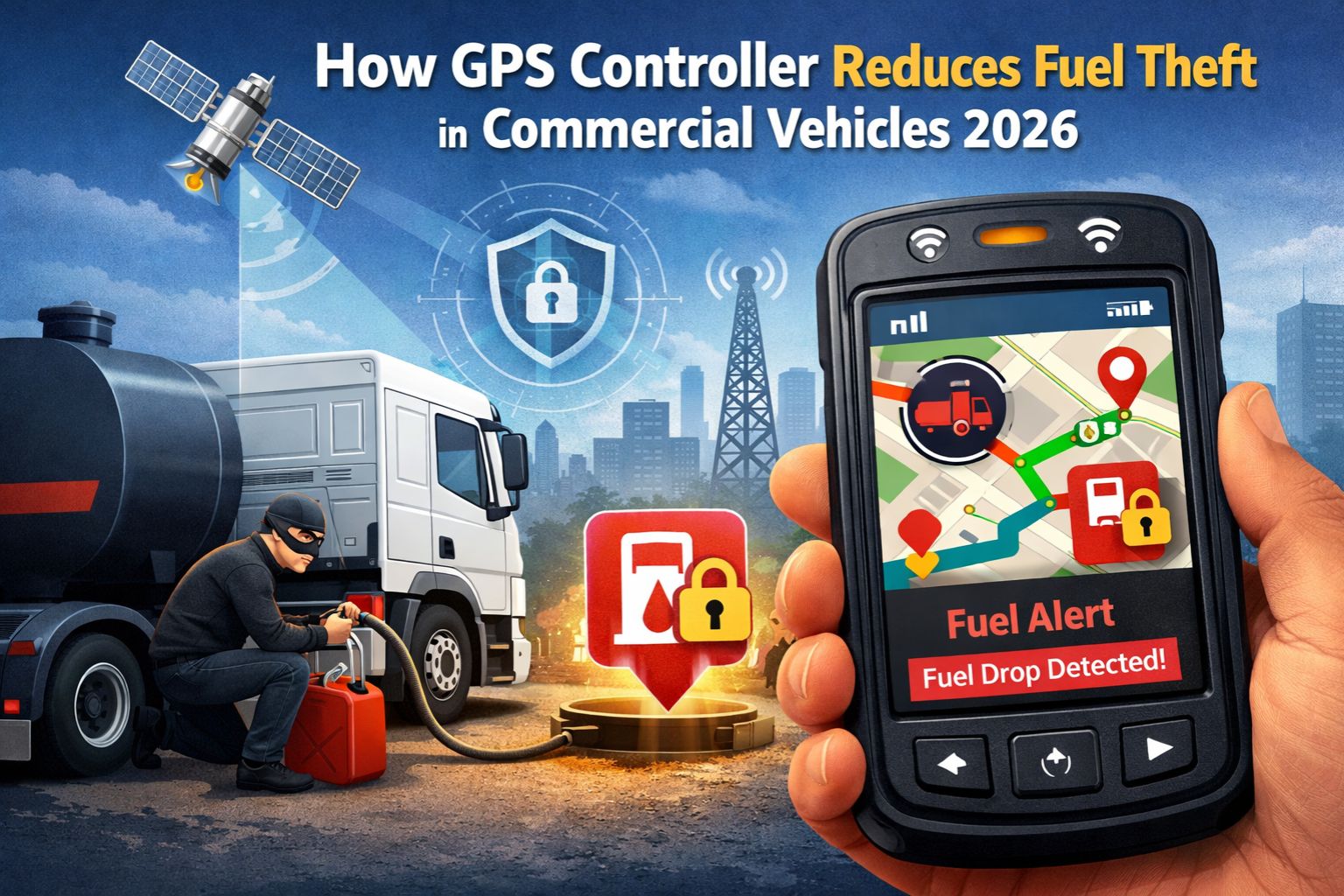
For fleet managers, fuel theft is more than a line item. It's a direct hit to your margins—you see it as unexplained drops during unauthorized stops, or maybe overnight when things are quiet. GPS Controller goes at this by pulling real-time fuel data from the vehicle's own CAN bus and marrying it with location and ignition status. What you get is an audit trail that can't be altered, and it flags the weird stuff as it happens.
Clarity: The Real-Time Fuel Monitoring Signal
The core of it is this continuous fuel level reading, sent with the GPS location. So on your dashboard, a fuel drop event comes with the exact time, place, and whether the engine was running. A lot of people think location tracking alone stops theft, but a driver who knows the game can drain fuel while parked somewhere that looks fine on a map. The real tell is seeing a 20-gallon drop when the vehicle is sitting still with the ignition off—that's the red flag basic tracking just misses.
Reality Check: Scale and Stealth of Modern Fuel Theft
When you're operating at scale, theft usually isn't one big haul. It's small, repeated siphons that slip under the radar of a manual log check, or it's collusion in an unmonitored yard. GPS Controller automates the anomaly detection, tying fuel events to geofences. For example, if a truck leaves the depot full but shows up at the job site at 85%, the software highlights that trip. Trying to catch that across a hundred vehicles without integrated telematics? Basically impossible. That detail is key for genuine fuel performance monitoring and keeping operations tight.
Mistake: Relying on After-the-Fact Manual Reconciliation
The big failure is thinking you'll catch theft when you match monthly invoices to fuel card data. By then, the trail's cold. Another wrong turn is assuming drivers won't find a way around basic tracking. The point where simple fixes fail is when drivers use jammers in the yard, or they exploit a lag in data transmission to hide where the theft happened. A solid system has to timestamp events with network-accurate time and store everything locally if the signal drops—that's a specific device detail that stops people from exploiting those data gaps.
Decision Help: Tune Alerts, Reconfigure Workflows, or Redesign Security
Your choice is pretty clear: you can adjust alert thresholds for fuel drop size or after-hours activity, or you can rework driver check-in workflows to include automated fuel cap checks. But if you're dealing with organized theft that uses cellular dead zones or gets sophisticated with tampering, an internal tweak won't cut it. Then you have to rethink the whole security loop, bringing in geofencing alerts for fuel stations and hardware that reports if the fuel cap's been opened. This is where a platform like gps controller gives you the integration depth to actually close those gaps.
FAQ
Question: How does the system know if a fuel drop is theft versus normal consumption?
Answer: It looks at a few things together: the fuel drop, whether the ignition was on, the location (like, was it at a gas station?), and what consumption normally looks like on that route. A drop with the engine off gets flagged right away as unauthorized.
Question: Can drivers disable the fuel monitoring sensor?
Answer: If they mess with the CAN bus connection or the sensor itself, it triggers a tamper alert that sends in real-time. The system is built to report on its own status, so disabling it quietly is really difficult.
Question: What happens if the vehicle loses cellular signal during a theft event?
Answer: The device keeps logging everything internally—fuel levels, location from cached GPS. Once the signal comes back, it sends the whole time-stamped log. There's no data gap for compliance to worry about.
Answer: It automatically creates a time-stamped log for every fuel transaction and any anomalies. That log is tamper-evident and you can pull it directly for auditors. It shows you did your due diligence on monitoring the fleet and makes compliance reporting a lot simpler.


Comments
Post a Comment