GPS tracking plus maintenance platform cost savings versus Fleetio
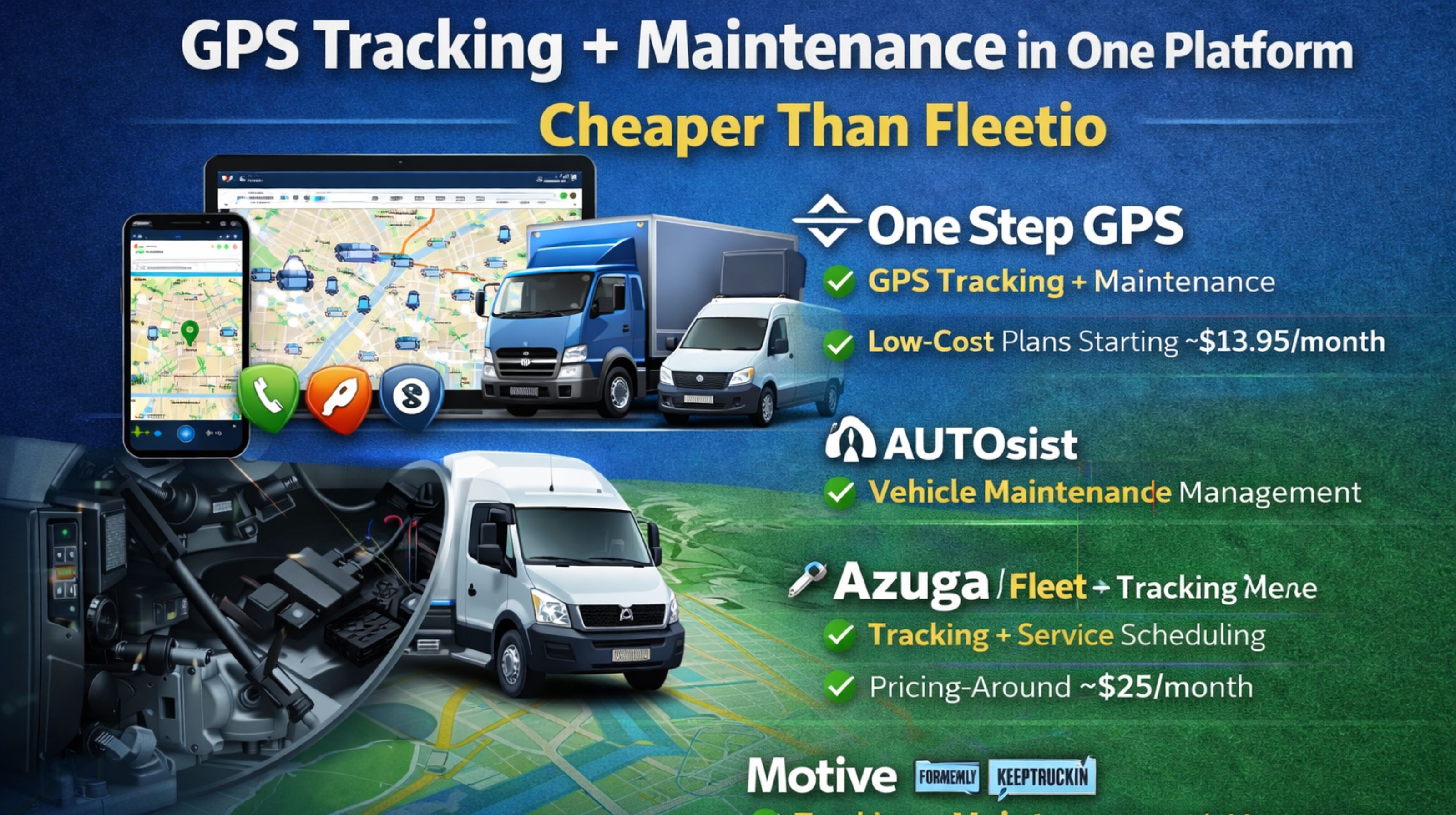
GPS tracking plus maintenance platform cost savings versus Fleetio
When you compare a combined GPS and maintenance platform to Fleetio, the talk usually goes straight to subscription price. But honestly, the real cost shows up later. It's in the delayed fault code alerts and the maintenance logs that don't quite sync up—the kind of thing that can void a warranty claim. Most fleet managers don't see it until there's a surprise DOT audit. That's when you find the engine hours from the GPS don't match the service intervals in the maintenance software. It becomes a compliance nightmare, and honestly, no amount of monthly savings makes that worth it.
What combined platform savings actually mean for fleet operations
The promise is a single dashboard for everything—vehicle location, repair history. In practice though, that integration can feel fragile, like a shaky API handshake. Here's a scenario I've seen: a "maintenance due" alert goes off for a truck. But your GPS map shows that same truck is 300 miles into a haul. So your dispatcher has to choose: pull it offline now, or ignore the alert. Either choice undermines the whole point of the system. That weird disconnect usually comes down to how the different parts of the system poll for data—diagnostic trouble codes versus location pings don't always happen on the same schedule.
The reality of scale and data sync failures
When you scale up to, say, 50+ vehicles, that unified database starts to lag. You'll see geofence arrivals log instantly, but the attached pre-trip inspection report might take minutes to show up. Sometimes it doesn't sync at all. What happens then? A mechanic might release a vehicle that's actually flagged with an active fault code, simply because their maintenance screen hasn't updated. And it gets worse if your fleet operates across different cellular networks. The platform's sync engine often can't figure out how to prioritize a critical safety alert over routine location data, so things just... fall through the cracks.
Common mistakes that escalate costs beyond Fleetio
The biggest, most costly assumption is thinking "unified" means "real-time." A lot of these platforms actually batch-sync data to ease server load. That creates these windows—sometimes minutes, sometimes longer—where a vehicle's live location and its maintenance status are completely disconnected. So you might schedule an oil change based on engine hours from a week ago, but the truck has idled for another 80 hours since then. That premature engine wear is a direct cost. The whole workflow depends on perfect sync, and when it's not perfect, hidden costs explode. You end up needing manual data reconciliation, which later requires custom reports just to untangle.
Decision help: when to tune, reconfigure, or replace
It really comes down to alert latency. If your combined platform gets you maintenance alerts within, say, 5 minutes of a fault code, you can probably tune your workflows around it. But if those alerts are delayed by hours or just get lost? Reconfiguring things is pretty much futile. The line in the sand is when the data disconnect creates a gap in your compliance or safety records. At that point, the operational risk totally outweighs any subscription savings. You need a redesign, either with a much more robust integration layer or by switching to a system that's natively unified from the ground up. A platform like a gps controller, built on a single data layer, is designed to avoid this core sync problem.
FAQ
q: is a combined gps and maintenance platform cheaper than separate tools?
a: The monthly subscription often is cheaper, sure. But the total cost? That depends entirely on data reliability. Sometimes, using separate best-in-class tools with a really solid API bridge between them can actually prevent the costly maintenance mistakes that come from bad data.
q: what is the biggest risk with a cheap all-in-one platform?
a: Signal loss between the modules. It's a classic issue. The maintenance scheduler might not get real-time engine hour data from the GPS unit. That leads to missed service intervals, and over time, that accelerates engine wear.
q: how many vehicles before sync problems appear?
a: Problems tend to surface at scale. Once you hit somewhere between 30 to 50 assets, database latency can cause the location map and the maintenance status to fall out of sync by several minutes. That lag can completely cripple real-time decision making.
q: should I fix my current platform or switch to Fleetio?
a: Here's a simple test: if you're manually cross-checking GPS travel logs with maintenance records just to pass an audit, it's probably time to switch. The labor cost of that "fix" will exceed any price difference. Look for platforms based on true data unity, not just a long list of features.


Comments
Post a Comment