GPS Tracker Tampering Detection and the Real-Time Signal Gap
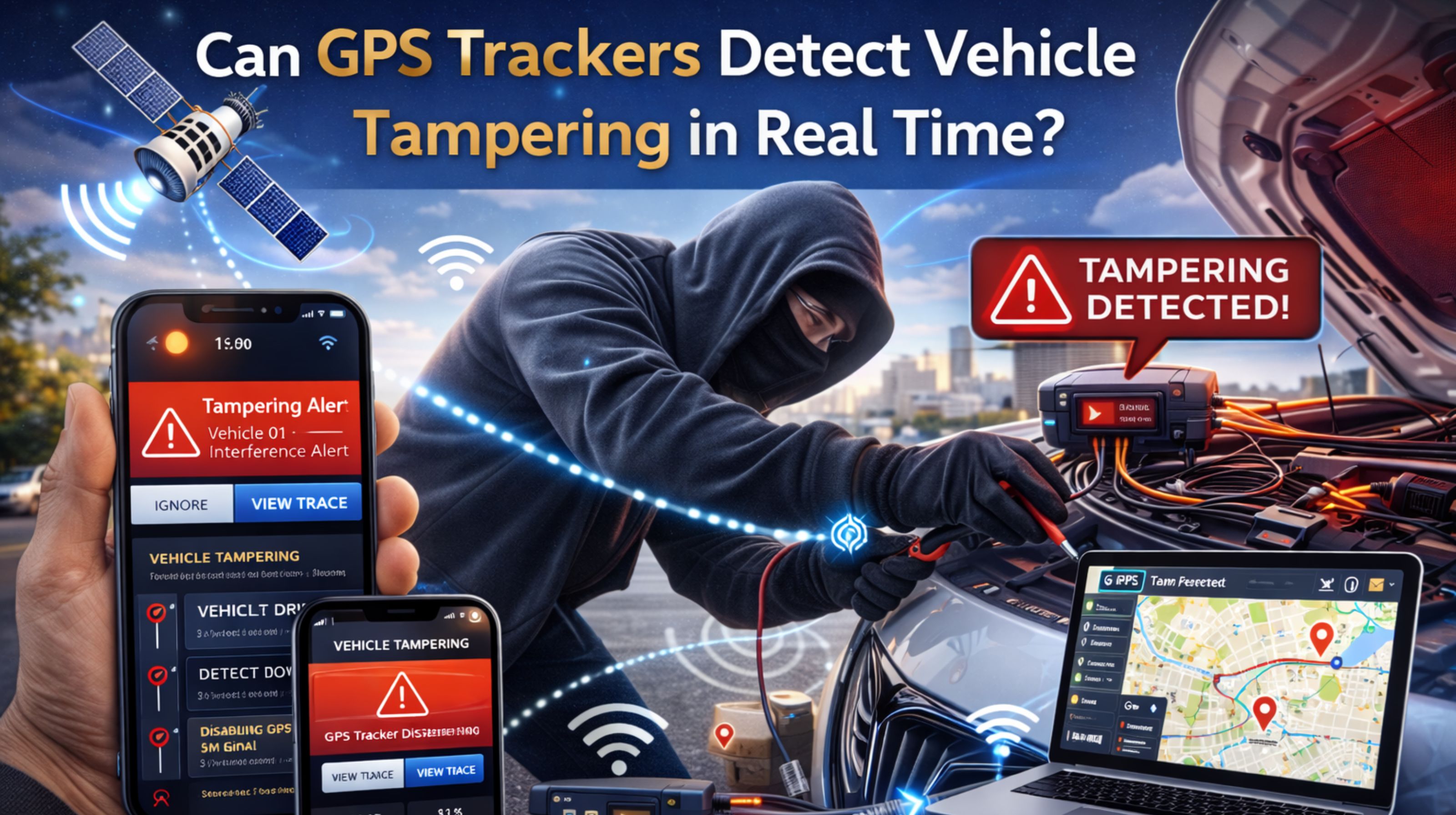
GPS Tracker Tampering Detection and the Real-Time Signal Gap
When a driver disconnects a GPS tracker or tampers with its power, the system's ability to alert you in real time depends entirely on the device's heartbeat and network conditions. That creates a critical window of vulnerability that's easy to underestimate.
What Real-Time Tampering Detection Actually Means
In fleet tracking, "real-time" usually refers to the interval between the device's scheduled status reports, not instant notification. Think about it: a tracker set to report every 60 seconds can only signal a power loss after that cycle fails. So tampering can go undetected for over a minute—which is a significant gap if someone's driving off with your vehicle or cargo.
The Reality of Tampering Alerts Under Fleet Load
On a large fleet, the sheer volume of routine data from real-time vehicle tracking can bury critical tamper alerts. The initial power-cut alert often arrives amidst hundreds of other engine-on and geofence events. It's no wonder managers miss it, delaying response until a driver is already miles away with the asset.
Common Failures and Wrong Assumptions About Tamper Proofing
A major misunderstanding is assuming all GPS trackers have internal backup batteries to send a final "tamper" signal. The reality is many hardwired units don't; when main power is cut, they just die instantly. Another common failure is relying solely on GPS-based motion alerts. Those fail if the device is removed in a shielded garage where GPS signals are lost, preventing any final transmission at all.
Decision Boundary: When to Upgrade Your Tamper Detection
If your current system's alert delay exceeds 2-3 minutes, or you've experienced a theft where the alert came too late, internal tuning probably won't cut it. You likely need a hardware redesign: trackers with independent cellular modems for tamper signals, backup batteries rated for hours, and integration that prioritizes tamper alerts above all other fleet data. At that point, a basic GPS device has to be replaced with a proper security-grade controller unit.
FAQ
q How quickly should a GPS tracker alert for tampering?
a For security-critical fleets, the gap between tampering and alert should be under 60 seconds. That requires devices with frequent heartbeat intervals and immediate cellular network registration upon power loss.
q Can a tracker still send an alert if it's physically removed?
a Only if it has a dedicated backup battery and an independent antenna. Most standard fleet trackers can't transmit once they're unplugged and removed from the vehicle's OBD-II port or wiring harness.
q Why do tamper alerts sometimes show up late or out of order?
a Network latency and cellular handoff delays, especially in rural areas, can stall the final signal. The alert timestamp is when the server processes it, not when the event actually occurred, which creates messy audit mismatches.
q When is it time to replace our current trackers for better security?
a When tampering incidents result in asset loss before your team can react, or when compliance audits start flagging inconsistent event logging. That's the signal you need to upgrade to a system from a dedicated gps controller platform to finally close the gap.


Comments
Post a Comment