GPS Tracker Smartphone App Compatibility Hides Real-Time Fleet Data Delays
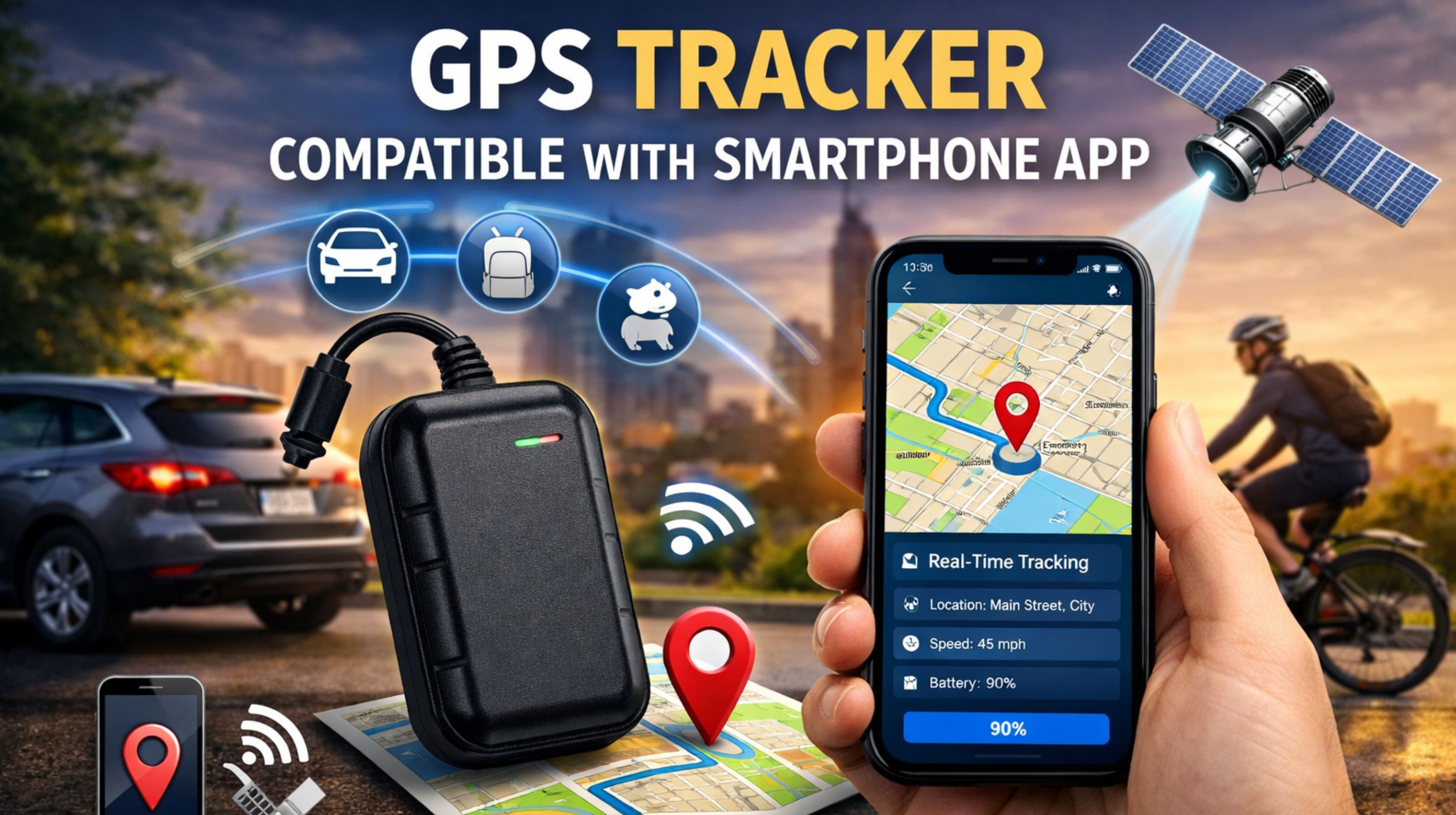
GPS Tracker Smartphone App Compatibility Hides Real-Time Fleet Data Delays
Fleet managers often assume smartphone app compatibility guarantees live tracking. But in reality, you're dealing with hidden network hops and signal jitter that can delay critical alerts long after something actually happens.
What App Compatibility Really Means for Fleet Tracking
In live fleet tracking, app compatibility isn't about a seamless interface. It's about the data pipeline's integrity from the vehicle to your dashboard. A common trap is thinking a "connected" app means live data, which ignores all the queuing and sync cycles mobile networks introduce.
Reality Check Under Real Vehicle Scale and Load
Scale this up to 50+ vehicles, and the polling intervals and background refresh of a standard app create a cascading delay. Geofence exit alerts for the last truck in the queue can arrive 8-12 minutes late. That's a critical failure for time-sensitive deliveries or any real security protocol.
The Mistake of Assuming App Sync Equals Real-Time Control
The main failure pattern is assuming the app's refresh rate dictates data latency. The real bottleneck is usually the tracker's own reporting logic and cellular network handoff. This wrong assumption leads to support tickets blaming "app freezing," when the root cause is actually a device or network configuration mismatch.
Decision Help: Tune, Reconfigure, or Redesign the Data Flow
The clear first step is to audit and tune the reporting profiles on your existing tracking devices. But there's a boundary. If your operational workflow genuinely depends on sub-60-second alerting for compliance or safety, internal fixes will fail. At that point, you need a redesign toward a dedicated telematics gateway, not just a compatible app. That's the scenario where understanding a dedicated gps controller platform becomes relevant.
FAQ
q Why is my GPS tracker app showing delayed locations?
a The delay is rarely the app itself. It's usually the tracker's configured heartbeat interval or cellular network congestion, causing data batches to arrive late at the server before they ever sync to your phone.
q Can a better smartphone app fix my fleet tracking latency?
a No. A new app front-end can't overcome fundamental delays in the device-to-server data pipeline. Investing in a different app without fixing the underlying reporting infrastructure is a common, and costly, misunderstanding.
q How many vehicles can a smartphone tracking app handle before failing?
a The app interface rarely fails. But the backend system managing your fleet data will start imposing throttling or aggregation after 70-100 active vehicles. That makes individual vehicle real-time tracking unreliable, especially during peak dispatch times.
q When should I stop trying to fix app delays and replace my tracking system?
a You've crossed the line when delayed data causes a compliance write-up, a missed security alert, or consistent failures in geofencing alerts that hit customer service or safety. That indicates a systemic platform limitation.


Comments
Post a Comment