GPS tracker signal spoofing detection and fleet security gaps
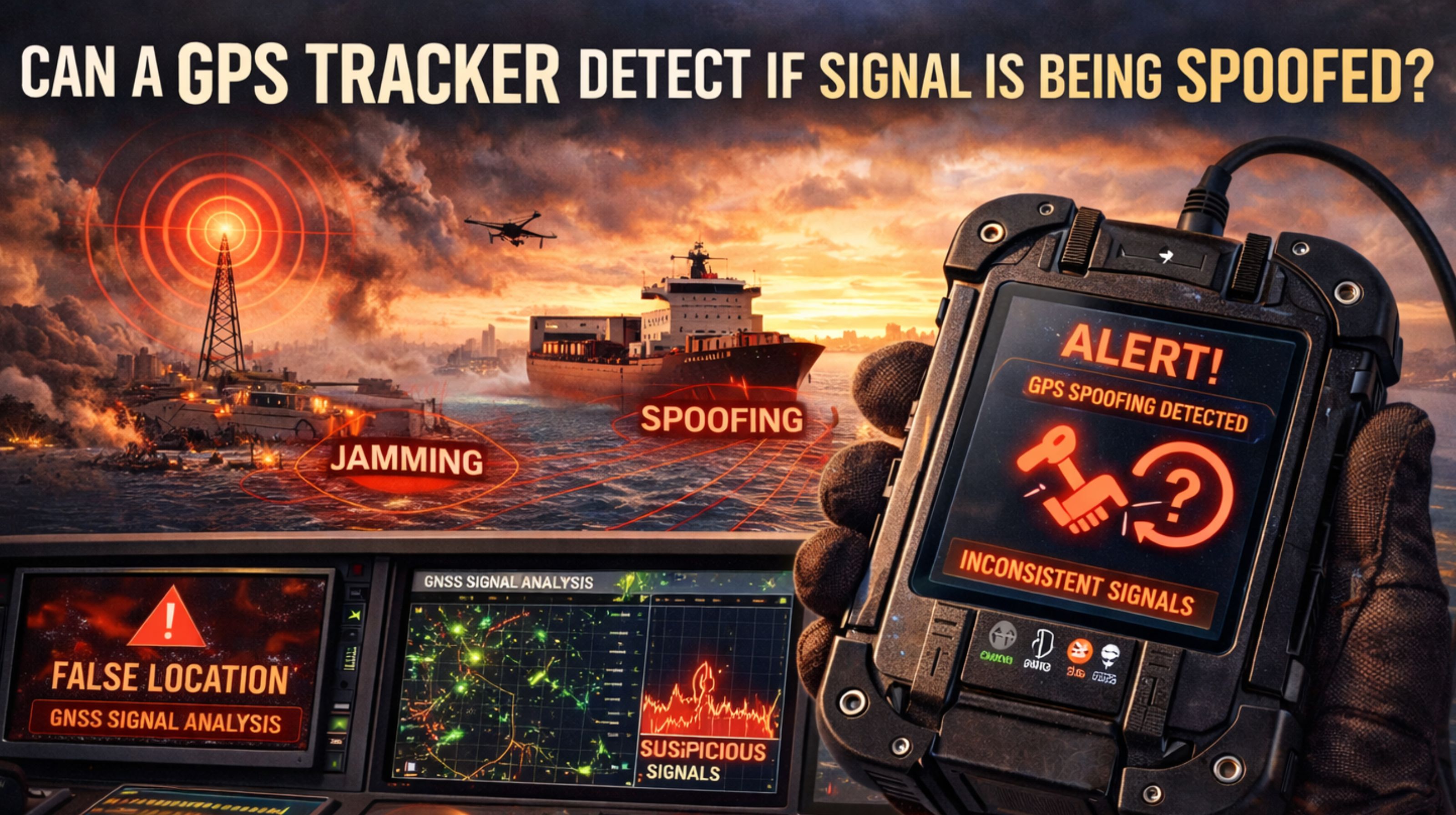
GPS tracker signal spoofing detection and fleet security gaps
When a GPS tracker's signal is spoofed, it's fed false location data. So a vehicle looks like it's somewhere it's not—which is a critical failure. This can mask a theft in progress or generate completely fraudulent compliance records. It's not some future theory; it's a live threat right now. And it bypasses basic geofence or speed alerts, leaving a hole in your real-time visibility that your standard fleet management software dashboard probably won't even flag.
What spoofing detection means for live fleet tracking
Detection isn't about waiting for a single red alert to pop up. It's more about recognizing a pattern of things that just don't add up. Here's a real-world example: a truck reports a steady 55 mph on a straight highway, but its connected engine data shows rapid RPM swings and constant gear shifts—the kind you only see in stop-and-go city traffic. That mismatch between the signal and the vehicle's own sensors is a primary spoof indicator. The less obvious detail is that many trackers now use multi-constellation GNSS (like GPS, GLONASS, Galileo). Spoofing one of those signals often creates timing or positional conflicts with the others, and that's something you can analyze.
Reality check under real fleet scale and load
At scale, you're not just monitoring one vehicle. You're auditing hundreds of simultaneous data streams for anomalies. The failure pattern usually emerges when a dispatcher notices something odd—like a driver completing routes impossibly fast, or a vehicle seeming to "teleport" between job sites without the corresponding fuel burn or engine hours to back it up. A common mix-up is thinking cellular jamming is the same threat. It's not. Jamming creates a total real-time vehicle tracking blackout, which is at least obvious. Spoofing gives you believable but completely false data, which is actually far more dangerous, especially come audit time.
Mistakes and risks in assuming basic security
The critical risk here is assuming your standard GPS hardware has active spoof detection built right in. The truth is, most fleet-grade trackers don't. They just report the coordinates the chipset calculates, spoofed or not. That wrong assumption leads to accepting falsified delivery proofs or driver logs. The workflow dependency is clear: if your reporting and payroll systems automatically ingest this bad location data, the error spreads silently. It creates a compliance gap that might only surface during a detailed DOT audit, or worse, after a stolen asset isn't where your map swears it should be.
Decision help: when to tune, redesign, or replace
The line where internal fixes stop working is when your fleet operates in high-risk areas for cargo theft, or when you need ironclad chain-of-custody docs. You can try tuning first—like setting up cross-validation rules in your software platform to check GPS location against cellular tower pings and sensor data. But often, the clearer choice is to redesign your monitoring layer to include proper anomaly detection algorithms. And if your current devices can't provide the raw signal integrity metrics needed for that analysis, then replacing them with more advanced telematics units is really the only path forward. In this context, a robust gps controller platform becomes essential, because it's what correlates all these disparate data signals to flag a potential spoofing incident.
FAQ
q Can my current GPS tracker detect spoofing on its own?
a Most standard fleet trackers can't actively detect and alert you to spoofing. They report the location data their receiver calculates, even if it's fake. Detection usually needs backend analysis, comparing the GPS data against other inputs like accelerometer data or cellular network location.
q What's the immediate risk if a vehicle's signal is spoofed?
a The immediate risk is asset theft disguised as normal operation. A stolen truck can be made to look like it's parked at a depot, delaying recovery for hours or days. Secondary risks are things like falsified electronic logging device (ELD) records and breaches of geofencing alerts for secure facilities.
q How does spoofing affect a fleet of 50+ vehicles differently?
a At that scale, spoofing can be used to manipulate your aggregate performance metrics—stuff like average fleet speed or region-based idle times, which skews your operational reports. It also makes pinpointing which specific vehicle is compromised a lot harder, unless you have automated anomaly detection systems in place.
q Should I replace all my trackers if I'm worried about spoofing?
a Not necessarily. The decision really depends on asset value and your specific operational risk. For high-value cargo or rigs running in theft-prone lanes, upgrading to hardware with anti-spoofing features makes sense. For general fleet tracking, though, the first and most cost-effective step is often just enhancing your software platform's ability to cross-verify location data.


Comments
Post a Comment