GPS Tracker Fleet Management Failure Under Real Truck Scale
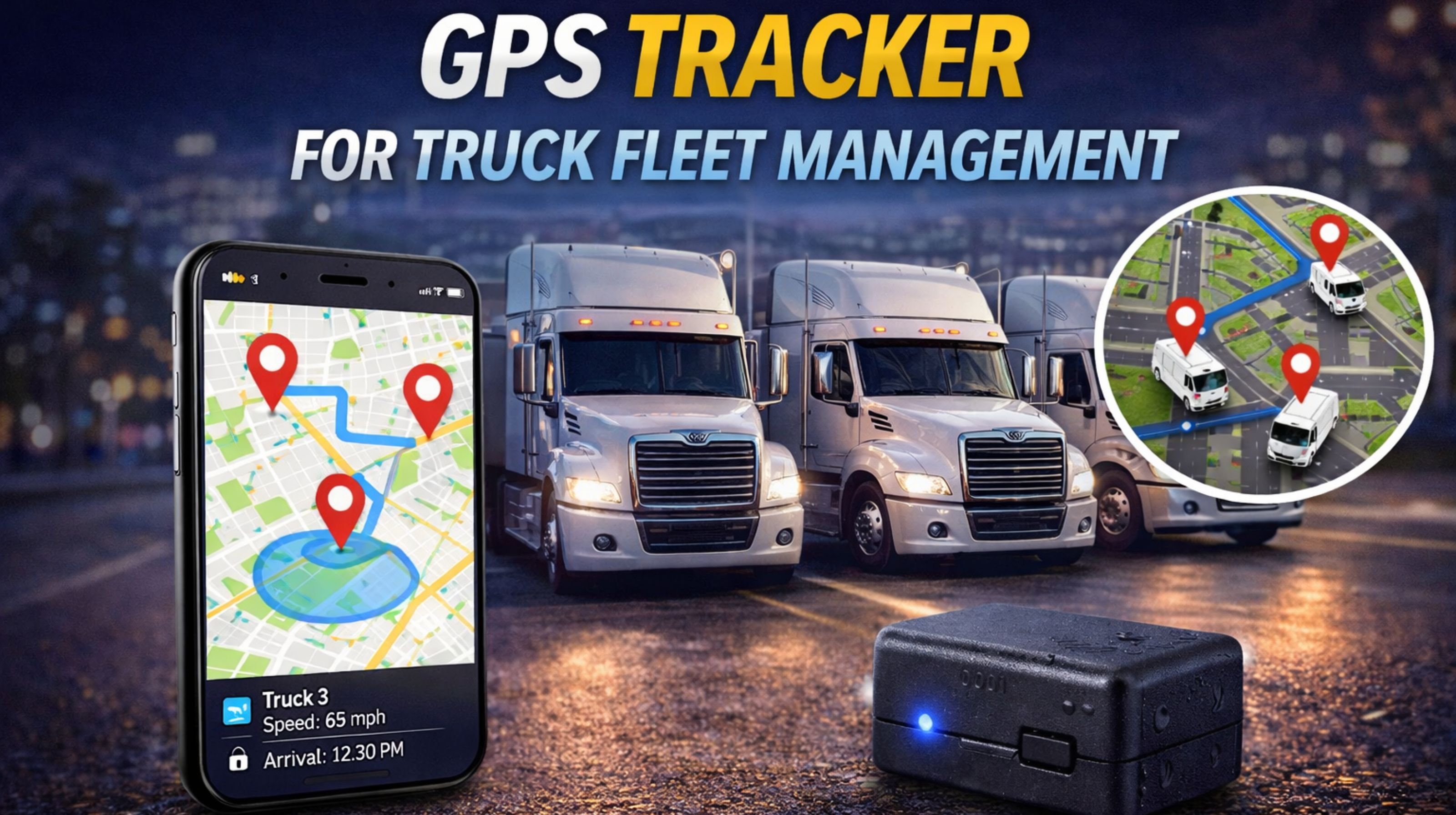
GPS Tracker Fleet Management Failure Under Real Truck Scale
When your GPS tracker fleet management system starts failing, it's rarely a total outage. You'll usually notice the first signs: geofence alerts that come 10-15 minutes late, or idle engine reports that just don't line up with what your drivers are telling you. That's what creates the immediate friction with your team—and it's a red flag for compliance audits, too.
What GPS Tracker Fleet Management Failure Actually Means
In a live trucking operation, failure means your data stream becomes unreliable. It's frustrating—you might see trucks stuck on a map point for hours when they're actually moving. Or you get a geofence exit alert long after the trailer's been unloaded. This signal jitter, especially common in urban canyons or specific industrial corridors, just breaks your trust in the entire real-time vehicle tracking workflow. You stop believing what you see.
Reality Check Under Real Vehicle Scale and Load
At scale, with 50+ trucks, the problem compounds in a way you might not expect. Network congestion from dozens of devices reporting at once can cause data packet loss. Here's a non-obvious detail that gets people: older trackers with 2G fallback will sometimes just silently fail to transmit in areas where 4G is spotty. That leaves a gap in the trip history that only shows up later, during fuel tax reporting, when it's too late to fix.
Mistakes and Wrong Assumptions That Escalate Risk
The most damaging assumption? Thinking all GPS trackers report the same data at the same frequency. They don't. Duty cycle settings and sleep modes vary wildly by device. So a fleet manager might blame the software for missing harsh braking events, not realizing the installed hardware physically can't sample accelerometer data fast enough. It's a critical misunderstanding that leads to weeks of wasted diagnostic time.
Decision Help: Fix, Reconfigure, or Replace Your Tracking
The boundary is pretty clear: if your current devices can't report the required data points—like PTO engagement or precise temperature—or if network dropouts are consistent across different vehicle types and regions, then internal tuning stops working. At that point, the choice shifts. It's no longer about reconfiguring your fleet management software settings. It becomes a hardware redesign or replacement. That's the decision where evaluating a modern gps controller platform turns from an option into a necessary step for compliance and just keeping things running.
FAQ
q How accurate are GPS trackers for truck idle time reporting?
a Accuracy really varies by device; low-end trackers often miss short idles under 3 minutes. Sometimes they can't even tell if you're stationary with the engine on vs. off, which leads directly to fuel report errors.
q Can a GPS tracker failure cause DOT compliance issues?
a Yes, absolutely. Inconsistent ELD logging or gaps in location history during hours-of-service audits can directly lead to violations. It makes data reliability a core compliance requirement, not just a nice-to-have.
q At what fleet size do GPS tracking problems typically multiply?
a Problems become systemic and hard to ignore around 30-50 assets. That's when network load, mixed device fleets, and sheer data volume really start to expose the platform's weaknesses.
q When should you replace truck GPS trackers instead of fixing them?
a Replace when the devices lack critical sensors (like for reefer units), or when they can't connect to modern cellular networks. Also, when failure patterns are identical across different models—that usually indicates a fundamental gps controller system limitation, not a one-off glitch.


Comments
Post a Comment