GPS Tracker CAN Bus Integration Failure in Indian Fleet Operations
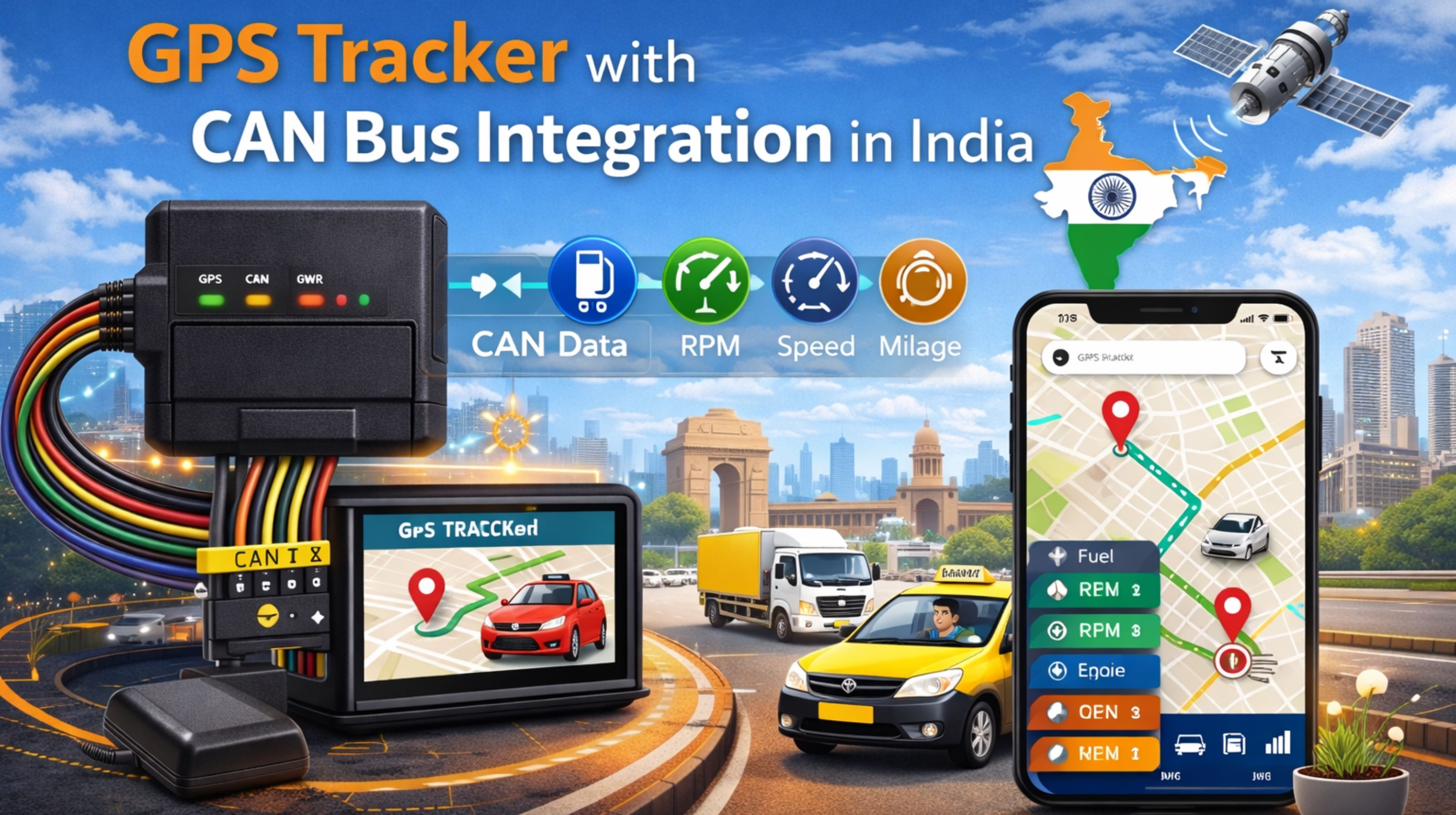
GPS Tracker CAN Bus Integration Failure in Indian Fleet Operations
When a GPS tracker with CAN bus integration in India loses its data link, it creates this silent failure. The dashboard might still show a live location, but the critical engine and fuel data is just...stale. Or missing. It's a common headache fleet managers in Delhi and Mumbai report, especially during those chaotic peak traffic reroutes.
What CAN Bus Integration Failure Means for Your Fleet
So what this failure really means is your tracker is getting satellite signals, but its connection to the vehicle's Controller Area Network—that digital nervous system reporting RPM, fuel level, fault codes—has dropped. It leaves your fuel performance monitoring completely blind to real-time consumption spikes. You know, the kind that happen during extended idling or harsh driving events, which are frustratingly common on Indian highways.
Reality of Scale and Network Load on Indian Roads
Here's the thing people don't always see coming: under the real load of a 50+ vehicle fleet, the constant CAN bus polling from all those trackers can overwhelm older vehicle ECUs. Or cheaper data loggers. The result is packet collisions, which just means you get delayed or jumbled OBD-II parameter updates. This gets worse when you mix in spotty 2G fallback networks in rural areas. It's a non-obvious detail that ends up corrupting your whole trip report.
Common Mistakes and Escalating Compliance Risks
A major misunderstanding is just blaming the GPS signal. The real culprit is often something more technical, like a mismatched CAN protocol version or an improper termination resistor on the data lines. These cause intermittent faults that can pass initial testing but fail later—during monsoons or on rough terrain. That's what creates those nasty audit mismatches between reported kilometers and the actual real-time vehicle tracking logs you need for GST input claims.
Decision Boundary: Reconfigure, Redesign, or Replace
The clear first step is to try reconfiguring polling rates and updating error-checking firmware. But there's a boundary. The point where internal fixes stop working is when the vehicle's own ECU firmware, or the tracker's hardware decoder, simply can't handle the extended CAN frame formats used in newer BS6 engines. That's when you're looking at a hardware redesign, or a full replacement with a controller actually built for modern protocols.
FAQ
q What is CAN bus integration in a GPS tracker?
a It's the hardware and software link that lets the tracker read digital diagnostics—stuff like engine hours and fuel data—directly from the vehicle's internal communication network. It goes beyond just getting a location.
q Why does my CAN bus data stop updating randomly?
a This is often due to signal voltage drops on the data lines from a poor connection, or electromagnetic interference from other vehicle electronics. Sometimes, the tracker's own processor gets overloaded and just fails to parse the incoming data stream correctly.
q Can a faulty CAN integration affect route compliance?
a Yes, absolutely. Without reliable engine-on/off data, your geofencing alerts for unauthorized movement or idling violations can fail to trigger. That creates real gaps in your driver behavior and route adherence reports.
q When should we replace the tracker instead of fixing the integration?
a Replacement becomes necessary when the tracker hardware itself lacks support for the specific J1939 or OBD-II protocols your newer trucks use. Or, if the failure rate is so high it's causing consistent data loss—the kind that a simple platform upgrade can't fix with software alone.


Comments
Post a Comment