GPS Telematics Device Failure for Cab Aggregators in India
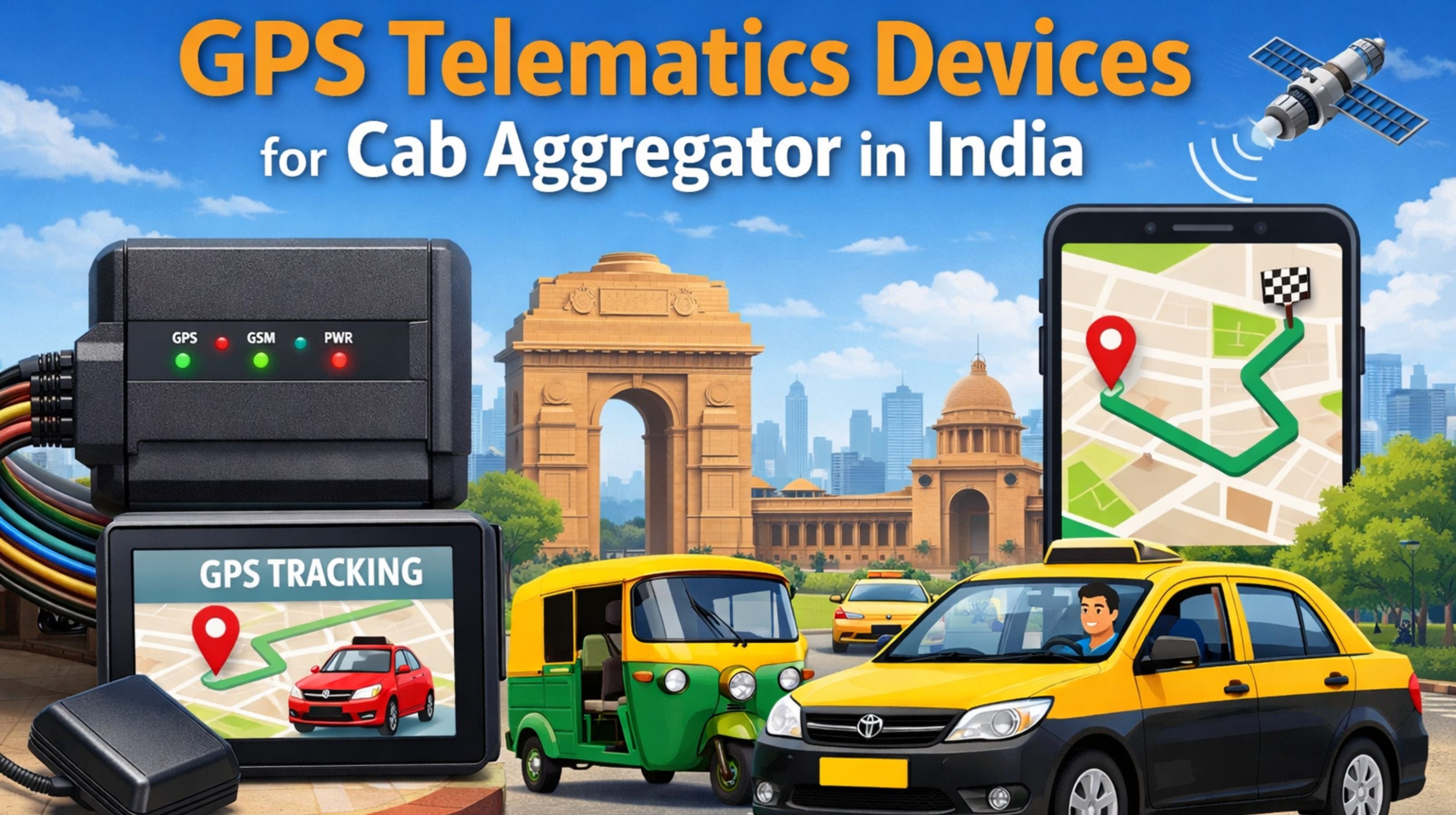
GPS Telematics Device Failure for Cab Aggregators in India
When a GPS telematics device fails in a cab aggregator's fleet, it's not just a lost dot on a map; it's a direct hit to driver payouts, passenger safety, and platform compliance. Honestly, the immediate signal loss is just the start—it cascades into delayed trip settlements and regulatory reporting gaps that audits will inevitably catch weeks later.
What GPS Device Failure Means for Live Cab Operations
Clarity here is about the operational blackout. Picture this: a driver completes a 20 km trip, but the device's last ping was 5 km in, creating a "ghost trip" in the system. The platform's real-time vehicle tracking shows the cab idle, while the driver waits for a payout that the automated system simply won't authorize without a complete location log. That leads to immediate driver grievances, every single time.
The Reality Under India's Scale and Network Load
The real-world failure isn't isolated. Think about peak hours in Mumbai or Delhi, with hundreds of thousands of concurrent trips. Intermittent GPS dropout from a specific device model creates a data jitter that the aggregator's server filters out as "low-confidence" points. This non-obvious network detail is key—it means trips are truncated, not just delayed. That directly messes with the accuracy of fuel and performance monitoring algorithms, because they rely on seeing the complete route.
Common Mistakes and Escalating Compliance Risks
A major misunderstanding is treating all device failures as hardware issues. Often, it's not. The problem is a firmware mismatch where the device's heartbeat interval conflicts with the aggregator's server-side session timeout, causing the system to just assume the cab is offline. This software-compliance gap goes unnoticed... until a state transport audit requests historical logs for a specific vehicle and finds unaccounted time windows. That's when it becomes a significant, tangible compliance risk.
Decision Help: Tune, Replace, or Redesign the Tracking Layer
The clear boundary is data continuity. If failures are sporadic and tied to specific urban canyons or tunnels, you can tune geofence logic and increase data buffer sizes. However, if you're seeing systemic trip breaks across a whole device batch—the kind that affects driver settlements and audit trails—then internal fixes are just a band-aid. That's your signal. You need to replace the device fleet with models supporting dual-network fallback and likely redesign the integration layer. It's a scenario where consulting a dedicated gps controller platform's resources for architecture becomes the logical next step.
FAQ
q How do I know if my GPS device is failing or just has weak signal?
a Check for patterned data loss. Weak signal usually shows sporadic pings in dense urban areas. A failing device is different—it shows complete data gaps at random times, even in open spaces. It often correlates with ignition-on events, where the device should reboot cleanly but just... doesn't.
q What's the biggest financial risk of a faulty telematics device for a cab aggregator?
a The largest risk is a combination: driver payment disputes and regulatory fines. Inaccurate trip data leads to under or over-charging passengers and incorrect driver commissions. During an audit, those discrepancies can result in heavy penalties for non-compliance with distance-fare regulations.
q At what scale of fleet should I worry about device failure patterns?
a When failures start affecting more than 2-3% of your active fleet daily, it's a pattern, not an anomaly. At that scale, the manual reconciliation of trips becomes operationally unsustainable. It indicates a systemic hardware or integration issue that will only get worse.
q Should I replace all devices at once or phase them out after a failure?
a Phase them based on critical failure modes. Immediately replace devices causing payment disputes or safety-alert failures. For others, plan a phased rollout tied to vehicle service schedules. Prioritize older hardware and models known for firmware issues—it's a process often outlined in a gps controller's device management protocol.


Comments
Post a Comment