GPS interference compliance headache sanctions breach shipping companies
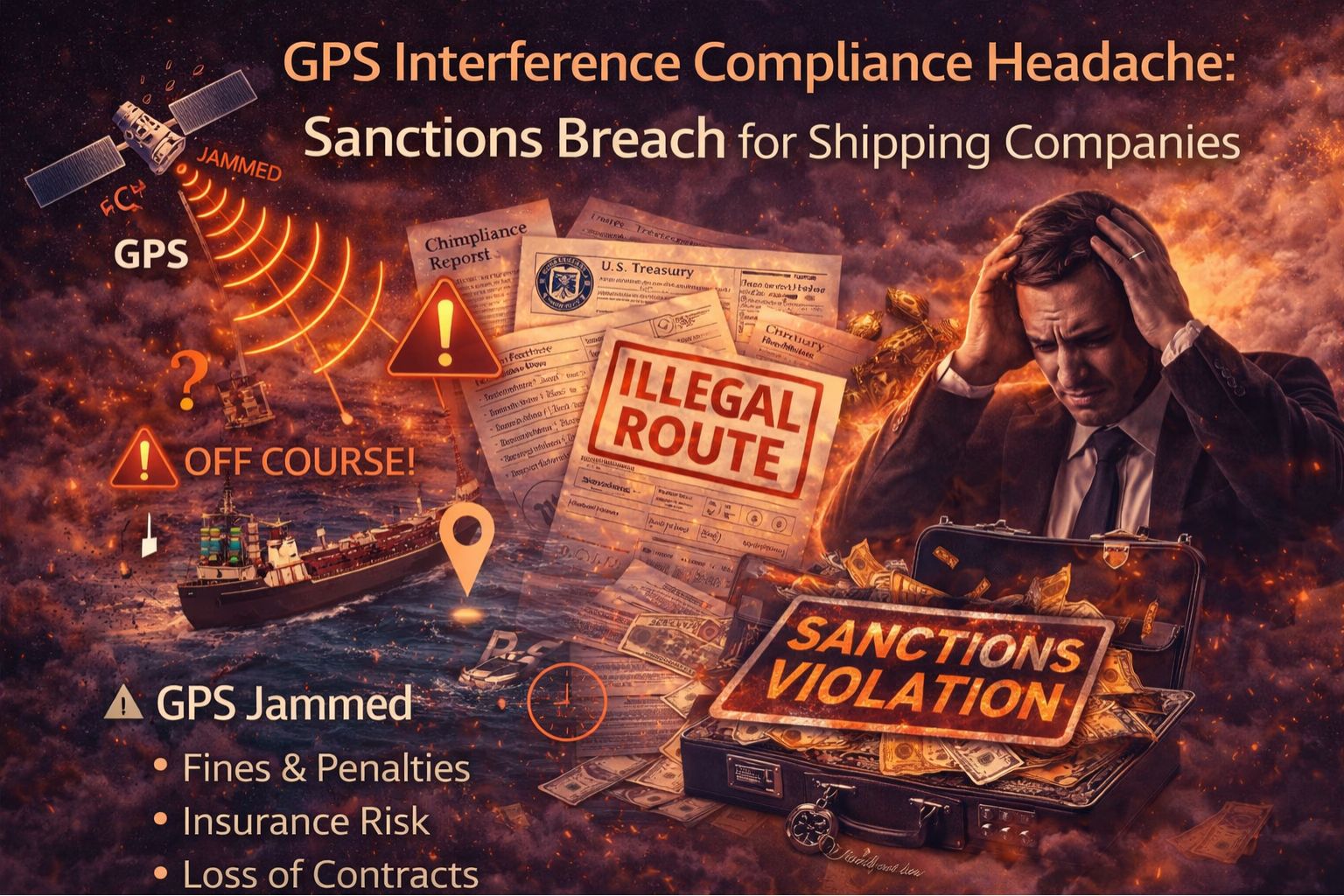
GPS interference compliance headache sanctions breach shipping companies
For shipping operations, GPS interference isn't just a blip on the map—it's a direct pipeline to compliance sanctions. When your vessel's position data goes silent or drifts, the mandatory AIS and ELD reports become inaccurate or just missing. That creates an immediate and verifiable breach in maritime regulations. This isn't some hypothetical scenario; it's the daily reality of managing a fleet where signal integrity dictates your legal standing.
What GPS Interference Means for Shipping Compliance
Compliance in shipping hinges on continuous, verifiable location data. GPS interference—whether it's jamming near ports, spoofing in conflict zones, or simple signal loss in remote waters—breaks that chain of custody. The headache really starts when your system shows a vessel in transit, but port authorities or flag state auditors see a gap in the AIS transmission log. This discrepancy isn't just a technical glitch; it's a documented non-compliance event that can trigger inspections, fines, or detention orders. A common misunderstanding is that backup systems will cover the gap, but if the primary GPS timestamp is corrupted, the entire data packet for that reporting period can be invalidated. People forget that part.
The Real-World Scale of a Sanctions Breach
At real operational scale, a single vessel experiencing GPS drift can create a domino effect. Imagine a container ship's reported position drifting by a few nautical miles due to interference. On paper, that places it in a restricted zone or a different customs jurisdiction. Authorities cross-reference this with other data sources, like radar or satellite AIS, and find a mismatch. The result isn't a polite inquiry; it's a formal notice of a potential sanctions breach. For the fleet manager, this means scrambling to provide corrected logs, crew testimony, and technical reports—a process that can take weeks and still end in penalties. The boundary condition is clear: once the official log is flagged, your internal explanations carry very little weight.
The Costly Mistake of Treating It as a "Signal Issue"
The critical risk is treating GPS interference as an IT problem rather than a compliance emergency. Many operations teams just focus on "getting the signal back," but the real damage is happening in the compliance ledger during the outage. Each minute of lost or corrupted positioning data is a minute that you cannot authentically reconstruct for an audit. Here's a non-obvious detail: modern sanctions enforcement uses automated systems to detect AIS anomalies. A temporary "stale position" update can automatically generate a red flag in a regulator's system before your team is even aware there's interference. This automated escalation is why proactive geofencing alerts for signal loss are a critical layer of defense, not just a convenience.
Decision Help: Reconfigure Monitoring or Redesign the Data Chain?
You're facing a clear choice: reconfigure or redesign. You can *reconfigure* by adding redundant position verification (like GLONASS or terrestrial RF backups) and implementing strict protocols for manual log entries during outages. This can work if interference is rare and localized. However, if your routes frequently pass through known interference zones or you've already received a compliance query, you likely need to *redesign* the data chain. This means integrating a system that treats position integrity as a compliance sensor, not just a tracking feed. It validates data against multiple sources before committing it to official logs and creates an immutable audit trail of the interference event itself. The boundary is crossed when a signal problem becomes a paperwork problem; at that point, internal fixes are insufficient, and you need a system designed for evidence, not just visibility. A platform like gps controller is built around this exact principle of data veracity for compliance.
FAQ
Question: How does GPS interference actually lead to a sanctions breach?
Answer: Sanctions regimes often prohibit trade with specific entities or movements within defined geographic zones. If GPS interference corrupts your vessel's AIS position data, it may appear—on official records—to have visited a prohibited port or deviated into restricted waters. This false data constitutes a reportable breach, triggering investigations and potential penalties, regardless of the vessel's actual physical path.
Question: Can't we just explain the GPS issue to the authorities after the fact?
Answer: You can try to provide an explanation, but the burden of proof is high. Maritime authorities and sanctions bodies require continuous, unbroken, and reliable data. A post-event explanation is often viewed as an excuse, not evidence. The compliance failure is the gap in the verifiable record itself, and explaining the cause doesn't erase the gap or its legal implications.
Question: What's the most common non-obvious compliance risk from signal loss?
Answer: It's the corruption of timestamps. Position data without accurate, synchronized UTC time is worthless for compliance. Many interference events don't just block the signal; they distort the timing data embedded in it. This can make an entire day's worth of positional logs legally unusable for an audit, which is a much larger problem than a simple "missing dot on the map."
Question: When should a shipping company move from fixing GPS to overhauling its compliance data system?
Answer: The decision boundary is usually crossed after the first official inquiry or notice of non-compliance. If a regulatory body has already flagged your data, you're now in a reactive, defensive posture. At this point, simply improving GPS reliability isn't enough. You need a system redesign that prioritizes data integrity and creates an immutable, multi-source audit trail specifically designed to withstand regulatory scrutiny. That's a core function of advanced telematics platforms.


Comments
Post a Comment