GPS fleet tracking that reduces insurance cost by 30 percent
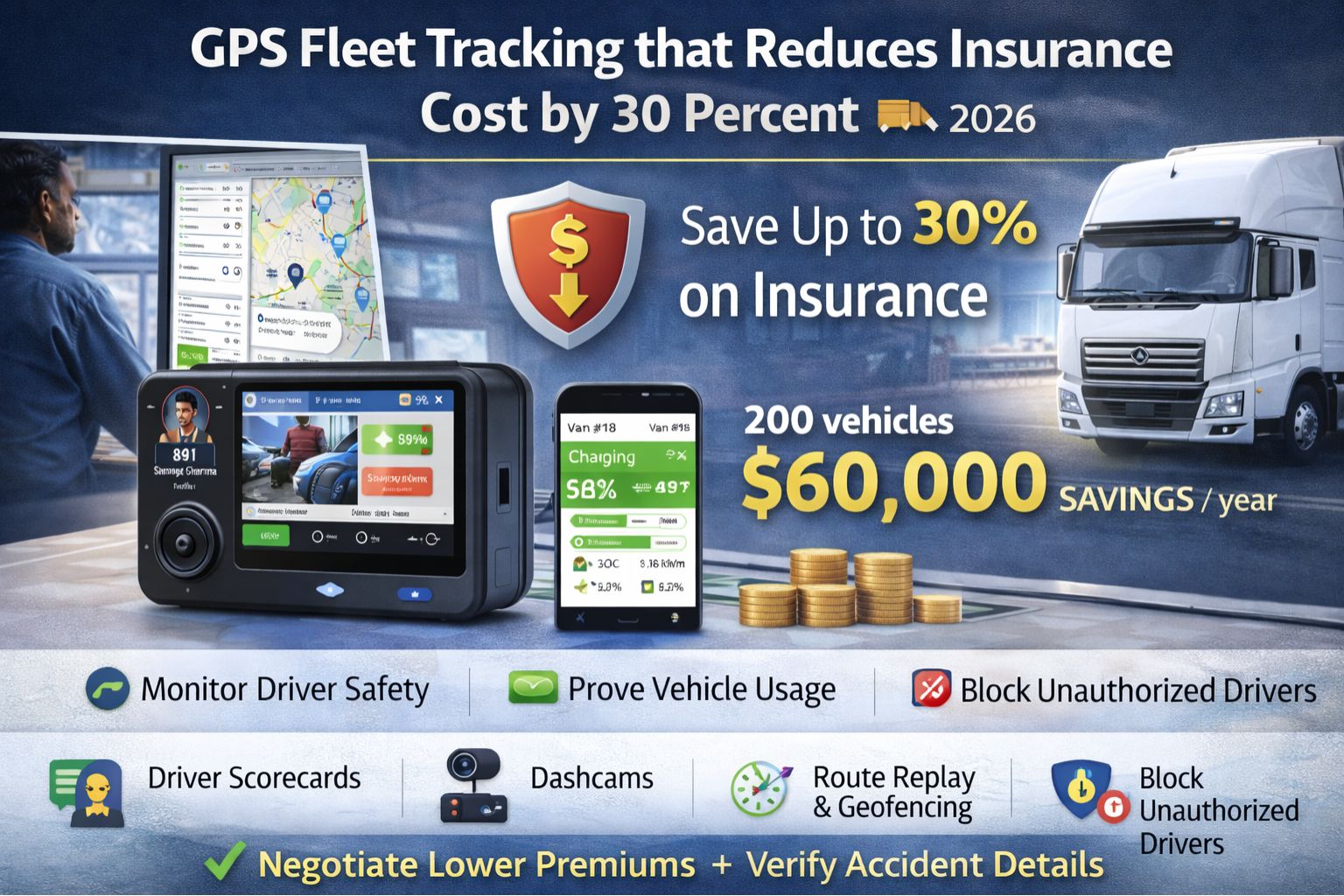
GPS fleet tracking that reduces insurance cost by 30 percent
When an insurer mentions a 30 percent discount for GPS tracking, they're not just looking at dots on a map. Honestly, they're underwriting a real reduction in risk. That has to be proven by telematics data showing consistent safe driving, fewer harsh events, and actual compliance. The thing is, there's a gap between just having a tracker and securing that premium. It really comes down to data integrity and how deep your reporting goes.
What a 30% insurance discount actually requires from your tracking
An insurance auditor isn't just ticking a box for device installation; they're validating your entire risk profile. The discount hinges on you providing irrefutable evidence that your exposure is lower. So your system has to capture and timestamp every harsh brake, rapid acceleration, and speeding incident. Then it needs to tie that data to a specific driver and the location context—was it in a school zone, or on the highway? I heard from one fleet manager who lost a 25% discount they'd negotiated. Their system couldn't separate driver behavior from vehicle movement during idle time, so the data got blended and painted an unreliable picture of their risk.
The operational reality behind the insurance paperwork
At scale, the promise of lower premiums runs straight into data management. For a 100-vehicle fleet, creating the monthly exception reports an insurer needs can take days of manual work. That's if your fleet management software isn't actually built for compliance export. Here's a non-obvious detail: the network's role matters. If telematics packets are delayed or arrive out-of-sequence, a harsh event might get logged at the wrong GPS coordinate. Suddenly, you can't verify the context—like proving a hard stop happened in a warehouse yard and not at a public intersection.
Common mistakes that void the insurance discount
The most costly misunderstanding is thinking all tracking data looks the same to an insurer. It doesn't. They often require specific data points—things like continuous electronic logging (ELD integration) or geofenced tracking for high-risk assets—that a generic tracker just won't capture. A common failure pattern is a fleet implementing tracking for route optimization, only to later discover their insurer's discount requires integrated geofencing alerts for yard security, a feature they never turned on. The fix isn't about collecting more data; it's about getting the right, certified data streams.
Decision help: tune, upgrade, or replace your tracking for insurance
Your decision really comes down to data certification. Can your current system automatically produce reports that your insurer will accept? If yes, then tune what you have by double-checking data accuracy with your provider. If generating those reports requires manual work, you likely need to reconfigure your platform's reporting or bring in a dedicated telematics service. And if the core system can't capture specific behaviors your insurer now wants—like seatbelt use or dashcam footage—then you're at the replace boundary. You've hit a wall when your tracking provider can't or won't certify the data format your insurance partner requires. That's a point where talking to a specialist like GPS Controller can help clarify the next step.
FAQ
Question: What specific tracking data lowers insurance costs?
Answer: Insurers are really focused on behavioral telematics. They want to see documented reductions in speeding, harsh braking, and rapid acceleration, all tied to specific drivers over time. Mileage verification, after-hours usage reports, and geofenced security alerts for high-value assets are also key for proving you've reduced risk.
Question: Will any GPS tracker qualify for an insurance discount?
Answer: No, not really. Most basic, location-only trackers don't capture the granular, driver-specific behavioral data that's required. You need a proper telematics system—one that records event-based data (like G-force for harsh events), supports driver ID (through a fob or app), and can generate the standardized compliance reports insurers will actually audit.
Question: How do we prove our tracking data to the insurance company?
Answer: It's all about automated, timestamped reports generated straight from your fleet software. These reports need to clearly show trends—something like a 40% decrease in speeding incidents month-over-month—and they have to be verifiable. Insurers often reject manual logs or simple screenshots because there's no reliable audit trail.
Question: Is a 30% insurance reduction realistic for an older fleet?
Answer: It can be, yes. The discount is based on proven risk reduction, not the age of your vehicles. An older fleet with excellent driving behavior data can absolutely achieve high discounts. The real barrier is often device compatibility and data accuracy; older vehicles might need updated telematics hardware to reliably capture the G-force and engine data that insurers trust.


Comments
Post a Comment