GPS Controller usage based insurance UBI telematics integration 2026
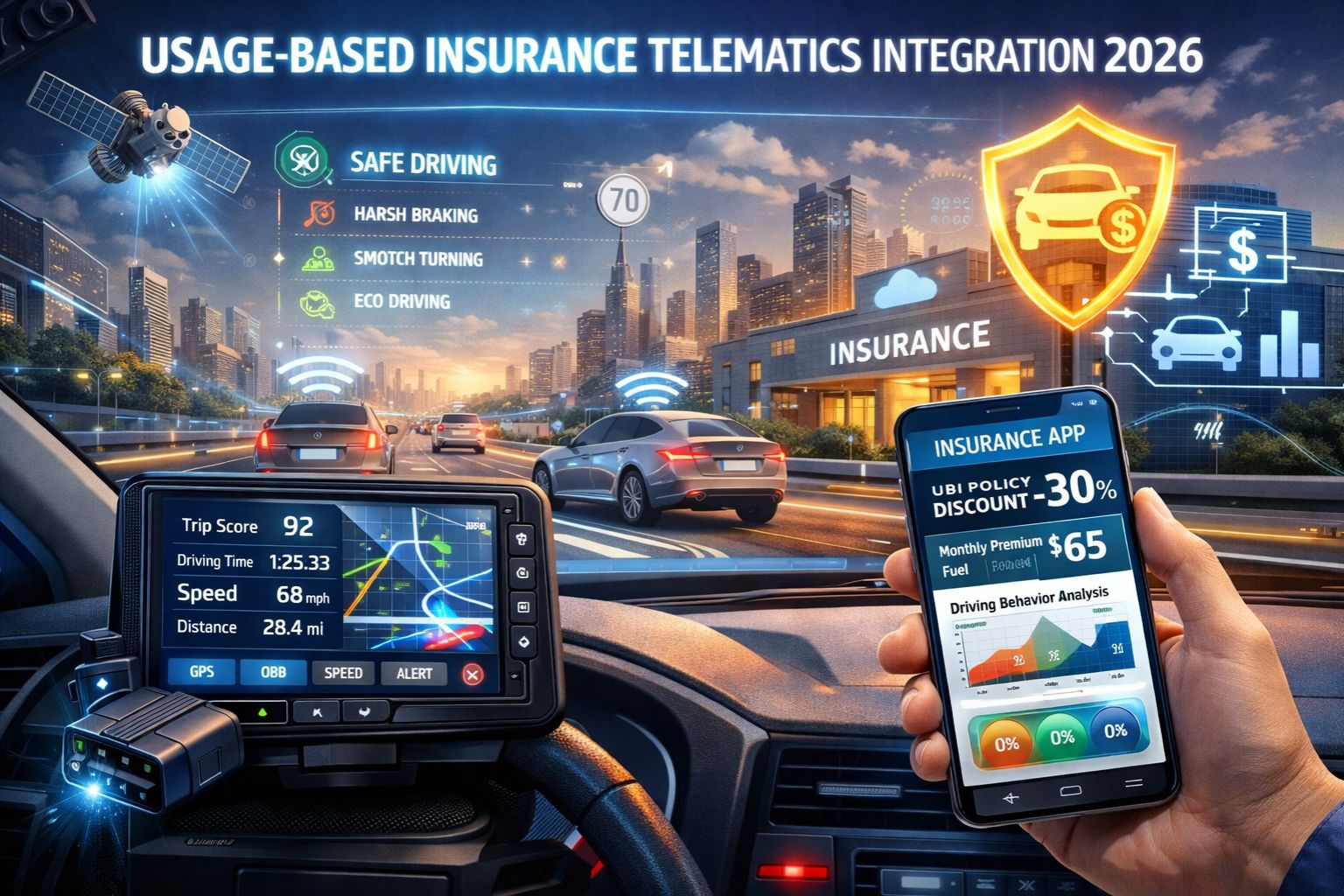
GPS Controller usage based insurance UBI telematics integration 2026
Connecting your GPS Controller fleet tracking data directly to a 2026 UBI insurance program isn't just sharing numbers. It creates a permanent, auditable record of every driver's behavior—harsh braking, idle time, you name it—that will directly shape your premiums and liability. Honestly, the integration is more than a data feed; it's a financial and legal bridge. And on that bridge, a simple signal gap or a misconfigured geofence alert stops being operational noise and becomes documented evidence of risk.
What UBI Telematics Integration Really Means for Your Fleet
In practice, this means your insurer gets a non-stop stream of processed data from your GPS tracking devices—speed, acceleration, location, engine diagnostics. But here's the thing we've seen happen: a single misreported harsh event, maybe just caused by GPS signal bounce in a city, can escalate into a full premium review. The system flags it as aggressive driving, but that crucial context about the road conditions? That often doesn't get passed along.
The Reality of Data Gaps at Insurance Audit Scale
When you're looking at an annual insurance audit, small telemetry issues don't stay small. They add up. A classic mistake is thinking all vehicle data is the same. Take a refrigerated truck: its PTO (Power Take-Off) cycles for cooling can easily be misread by a UBI algorithm as excessive idling. So you get penalized for what is actually compliant operation. And the real problem? The boundary is your insurer's black-box scoring model. You can't debug it. You can't adjust it after the fact.
The Critical Mistake: Treating Integration as Set-and-Forget
The most costly assumption is that once the API handshake is done, everything's flawless and everyone's interpreting the data the same way. Reality check: they're not. Insurers often use proprietary smoothing algorithms or scoring windows that might not line up with your own internal safety coaching periods at all. So a driver who's shown real improvement over a quarter might still get penalized for one bad day that happened to fall within the insurer's rigid monthly scoring cycle. It creates this frustrating disconnect between your management reality and their risk assessment.
Your 2026 Decision: Tune, Isolate, or Redesign the Data Flow
Your decision really comes down to data sovereignty. You can try to tune things by building a pre-filtering layer within your fleet management platform to clean the data first—like excluding known GPS drift zones—before it ever reaches the insurer. But sometimes, you have to redesign the whole flow. That's the case if you can't control which data points are shared, or if the integration lacks granular permissions. That scenario opens you up to real privacy and compliance risks. The boundary here is pretty clear: if you can't audit and explain every single data point you're sending, then you're basically handing over control of your financial risk profile.
FAQ
Question: What specific data does a UBI program typically pull from my GPS tracking system?
Answer: Usually, they're pulling trip summaries, hard acceleration and braking events, speed compliance, cornering forces, how long you idle, time-of-day driving, and sometimes even location patterns. The exact list is in the integration API, and from what we've seen, it's often non-negotiable.
Question: Can inaccurate GPS location data cause my insurance premium to go up?
Answer: Yes, but usually indirectly. Think about GPS jitter making a trip look like 85 mph in a 70 zone when the actual speed was 72. That "speeding" event goes straight into your risk score. The catch is, most UBI algorithms don't have a built-in way for your fleet manager to dispute individual telemetry errors. They tend to just trust the data feed as fact.
Question: How do we maintain driver privacy with constant UBI monitoring?
Answer: You need both technical and policy controls. On the tech side, you need an integration that can anonymize data for personal vehicles or mask trips for non-work hours. Policy-wise, you absolutely must have clear driver consent agreements. They need to spell out what's being shared, who gets it, and why. Getting that right is a core part of a professional telematics platform's job.
Answer: The final step is really about verifying the data pipeline's integrity. A platform like GPS Controller should let you run a parallel audit—comparing what you see in your own dashboard against a sample of what's being sent to the insurer. You need to catch any translation errors before the integration goes live for your whole fleet.


Comments
Post a Comment