GPS Controller tire pressure fuel weight sensor fleet integration 2026
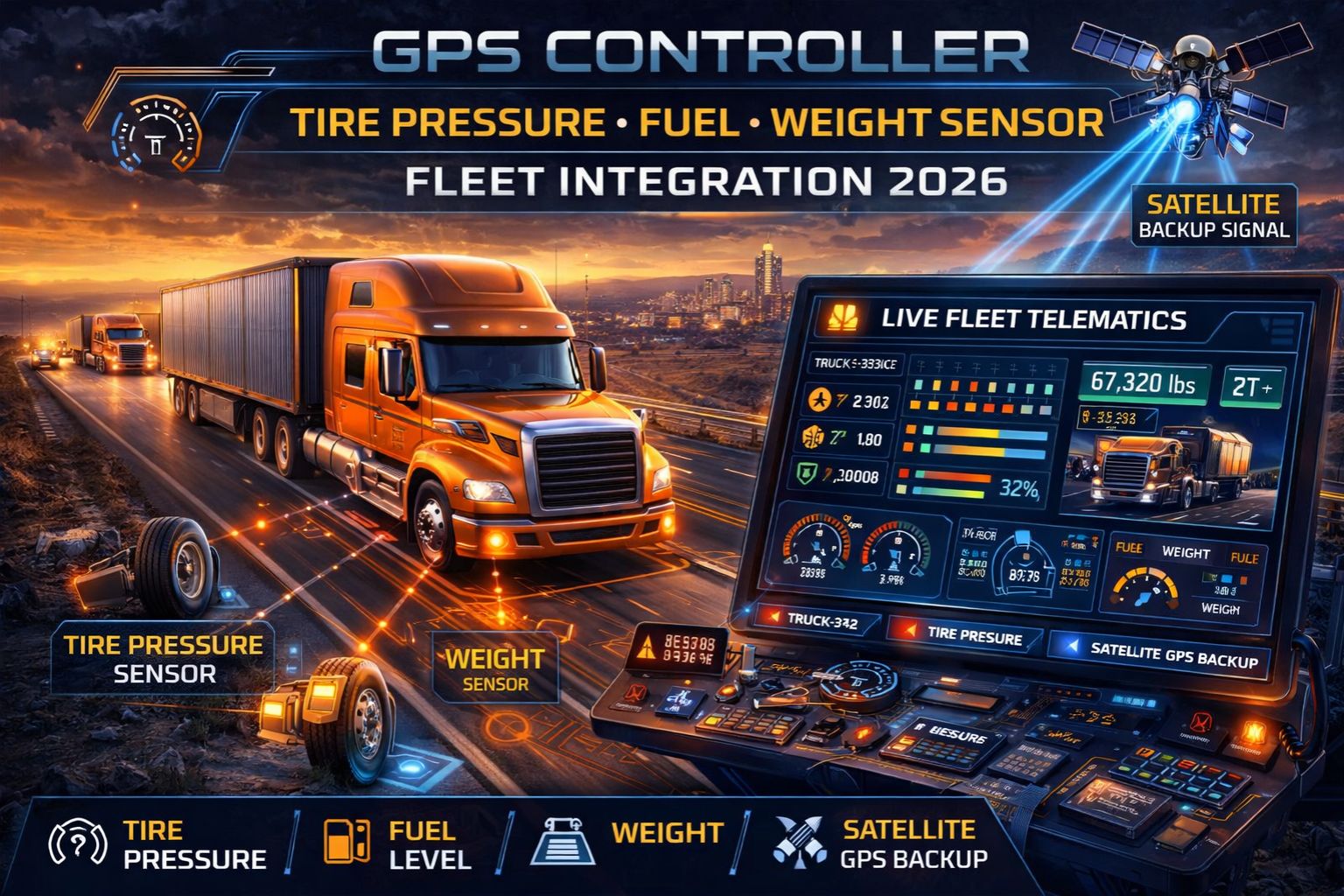
GPS Controller tire pressure fuel weight sensor fleet integration 2026
So you're looking at integrating tire pressure and fuel weight sensors with your GPS Controller platform for 2026. It's tempting to think of it as a simple plug-and-play upgrade, but that's where the trouble starts. It's really a live data pipeline—and those can fail silently. When the sensor refresh rates don't line up with your telematics reporting cycles, you end up with phantom alerts and weight logs that are just... wrong. Inaccurate enough to violate ELD mandates. The real gut-punch happens later: a dispatcher sees a normal tire pressure reading from five minutes ago, but the driver is already on the shoulder with a blowout from a slow leak the system completely missed.
What sensor integration actually means for live fleet tracking
In practice, "integration" means your GPS Controller dashboard now shows a tire pressure value next to a truck icon. But here's the thing—that value is a snapshot, not a live stream. Most of these sensors and telematics systems operate on their own schedules. Pressure might ping every 10 minutes, while fuel level only reports on ignition. What you get is a patchwork data mosaic. A critical low-pressure event can slip through the cracks entirely if it happens and fixes itself between transmissions. We've seen it happen with slow leaks or bad valve stems, causing roadside failures even with "integrated" monitoring supposedly in place.
The reality of sensor data lag at scale
This gets worse when you scale. Roll this out across 200 trucks, and the problem multiplies. Your dashboard might show 80% of vehicles with "good" sensor data, but that data is stale—and each truck is stale by a different amount. A fuel weight sensor could show 500 gallons left at the last stop, but the driver has made two deliveries since then. The dispatcher, trusting the display, routes the truck for another long haul. Then it runs critically low miles from a station. That latency turns a management tool into a source of operational misdirection, especially when you're planning loads or trying to do route optimization based on assumed vehicle weight.
The critical mistake: assuming calibration is a one-time event
Here's the biggest risk: treating sensor calibration as a box to check before deployment. It's not. Tire pressure sensors drift with temperature swings. Fuel weight sensor calibrations fail as gunk builds up in the tank or the sensor itself fouls. A fleet manager might see consistent weight data for months and not realize the sensor is off by 5%. Those small errors add up in load planning and can actually push a vehicle over legal weight limits. This isn't a software glitch you can patch; it's physical decay. Your GPS platform can't fix it unless you have explicit, scheduled re-calibration workflows—and most integrations just don't enforce that.
When to tune, reconfigure, or replace your sensor strategy
You need a clear line. If sensor data errors are causing reroutes, compliance flags, or fuel economy miscalculations over 2%, you're past just tuning things. At that point, you have to reconfigure the integration itself to prioritize alarm-based reporting over periodic polling. Or, you replace the old sensors with units that support proper real-time alerting. Honestly, when the cost of a single overweight violation or a blown tire outweighs the price of a modern, high-frequency sensor node, trying to fix it internally isn't enough. You need a hardware and integration redesign. That's when you start evaluating platforms like gps controller on their alert latency, not just how pretty the data looks on a screen.
FAQ
Question: How often do tire pressure sensors actually update in a typical fleet integration?
Answer: To save battery, most default to a 10-15 minute cycle. In theory, a rapid pressure drop should trigger an instant alert. The system fails when the integration layer doesn't support—or just ignores—those instant alarm packets, treating everything as a routine, periodic update.
Question: Can fuel weight sensor data be used for legal compliance weighing?
Answer: Almost never. They're for operational awareness, not legal proof. Between calibration drift and a lack of certification, that data won't hold up in a dispute over a weight violation. They're good for preventing issues, but you still need certified scale tickets for actual compliance.
Question: What's the biggest hidden cost of bad sensor integration?
Answer: It erodes trust in the whole telematics system. When drivers and dispatchers keep finding the dashboard data is wrong—showing enough pressure or fuel when there isn't—they stop looking at it. Completely. That negates the entire investment and pushes everyone back to manual, error-prone checks.
Question: Should I integrate all sensor data directly into my main fleet management view?
Answer: I wouldn't, not by default. Only integrate the alarm triggers and critical thresholds into the main fleet management software dashboard. The raw sensor data streams belong in a separate maintenance or asset health view. Otherwise, you drown dispatchers in data points and cause alert fatigue—they need actionable alerts, not a firehose of numbers.


Comments
Post a Comment