GPS Controller SIRA certified vehicle tracking system UAE 2026
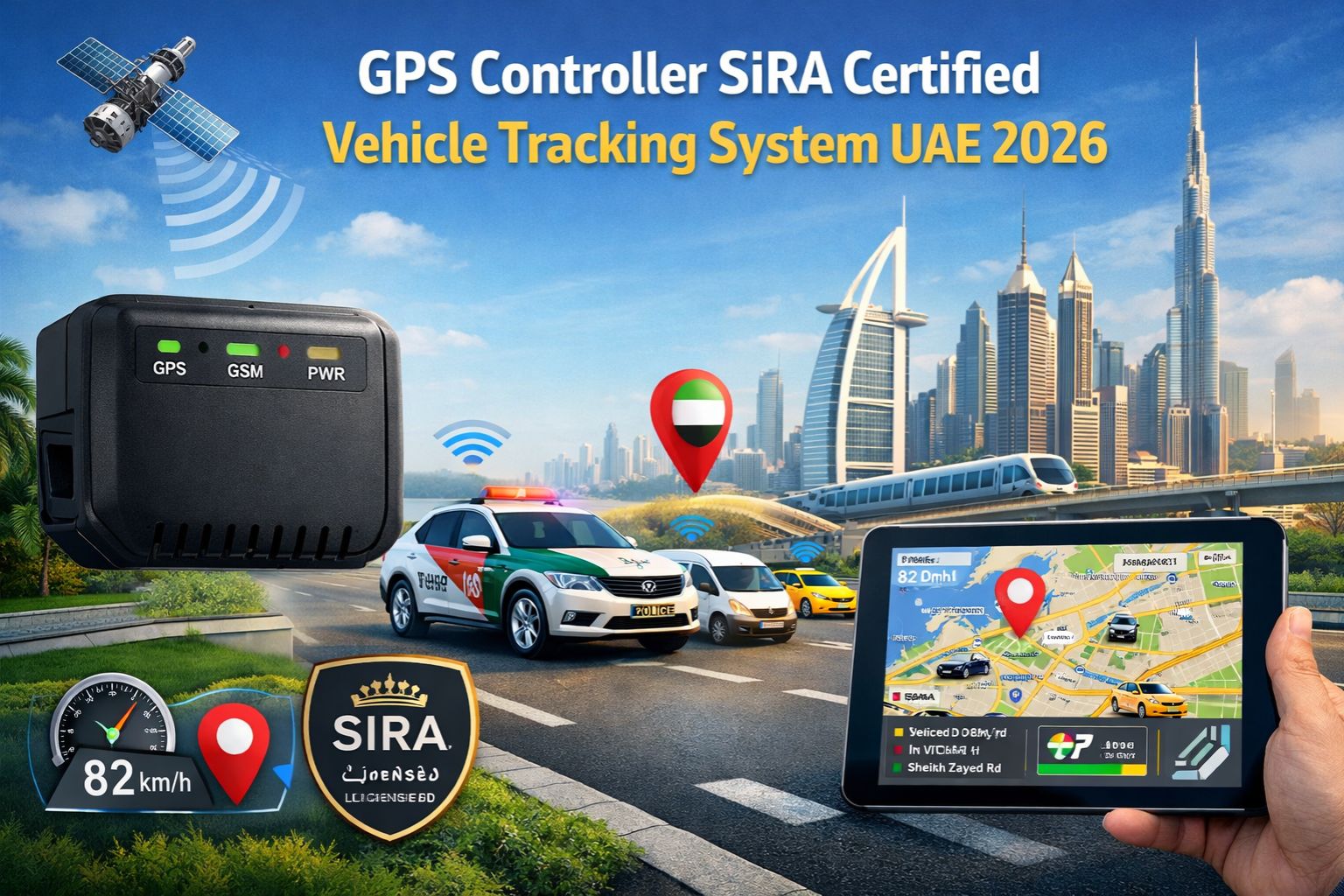
GPS Controller SIRA certified vehicle tracking system UAE 2026
For fleet managers in the UAE, getting a SIRA certification for your 2026 vehicle tracking system... well, it's not just another box to tick. It's what keeps your data legal and your vehicles actually moving without the regulators stepping in. The certification means your telematics—how you collect, store, and send data—actually meets the Security Industry Regulatory Agency's tight standards. It's a must-have, frankly, if your fleet goes near sensitive areas or carries high-value goods. Skip it, and you're looking at more than fines. You could get a full system lockdown. Imagine your real-time vehicle tracking going completely dark right in the middle of a critical audit.
What SIRA Certification Actually Means for Your Live Fleet Data
In practice, SIRA certification covers the whole data journey, from the GPS unit on the truck to the server storing its location pings. A lot of people think it's just about the hardware, but that's not quite right. The real focus is on data encryption—both when it's moving and when it's sitting still—especially for logs around restricted areas like geofences. We've seen fleets get flagged not because they lost signal, but because their old trip data was sitting on a server outside the approved UAE zones. That's a compliance breach, and it can ground your vehicles for weeks while you try to fix it.
The Reality of Operating at Scale Without 2026 Certification
When you start adding more vehicles, the compliance headache doesn't just increase—it multiplies. Every new truck is another data source that needs to be certified. And under real operating pressure, failure doesn't usually look like everything shutting down at once. It's more of a slow creep. You might get delayed reports for driver hours, or a geofence alert for a port entry that shows up 15 minutes late because the system's busy with security checks. That kind of lag creates blind spots where a driver could already be in violation before you even know about it.
Common Mistakes That Escalate to Full System Non-Compliance
The most expensive assumption? Thinking your 2024 or 2025 certification just carries over. SIRA standards change. The 2026 rules bring stricter protocols for how IoT devices authenticate and where data lives in real-time. You might renew all your hardware permits perfectly, but miss that your new IoT asset monitoring modules use an encryption standard that was fine last year but is now out of date. That mismatch won't show up in your daily tracking view. It'll only fail when you get a surprise audit, and then you're hit with a stop-work order that freezes every monitored vehicle.
Decision Help: Reconfigure Your Stack or Replace for 2026
So, what's your move? The line is pretty clear. If your current system's setup can handle a firmware and software update to meet the 2026 data and encryption rules, you might be able to reconfigure. But you need a guarantee from your provider that their backend data pipelines are already certified. If your system is running on older cellular tech (like certain 3G/4G modules without the right security) or uses a global cloud server that can't keep data within the UAE, then replacement is really your only option. This is where a provider like GPS Controller matters—not just as a vendor, but because they design for these shifting standards from the start. It becomes a compliance necessity.
FAQ
Question: What is SIRA certification for vehicle tracking systems?
Answer: It's a mandatory approval from the UAE's Security Industry Regulatory Agency. It makes sure a tracking system's data collection, storage, and transmission are up to national security and privacy standards. Without it, the system can't legally operate.
Question: Why would my current tracking system fail SIRA 2026 certification?
Answer: Most failures come down to outdated data encryption, weak IoT device authentication, or using data servers that aren't in UAE-approved locations to store location history.
Question: Can I update my existing devices to be SIRA 2026 compliant?
Answer: It depends on your hardware. If the devices can take a firmware upgrade for the new encryption, and your software backend can get certified for data handling, an update might work. If not, you'll need new hardware.
Answer: The big risk is a compliance lockdown during an audit. Authorities can legally shut off your tracking feeds, which grounds your fleet until you're re-certified. That process can take weeks and comes with heavy fines.
Question: How does SIRA certification affect real-time tracking performance?
Answer: Done right, it shouldn't affect performance. But if the system isn't well-optimized for the new security protocols, you might see slower location updates or delays in geofence alerts.
Question: Does SIRA certification cover all types of fleet tracking?
Answer: Yes, but the data rules differ. For heavy logistics, it's more about route history. For cash-in-transit or sensitive assets, the standards are stricter, mandating real-time encryption and duress signals.
Question: What's the cost of non-compliance versus system upgrade for 2026?
Answer: A full fleet lockdown and the fines cost way more than an upgrade. It's a financial decision, but also an operational one—a non-compliant system becomes a single point of failure for your whole fleet's legality.
Answer: You want a provider who builds their platform with certification as a core requirement, not an add-on. They should have clear docs on data sovereignty, provide the SIRA technical approval notice, and have experience certifying systems at scale. A company like GPS Controller, for example, engineers for these regulatory deadlines.


Comments
Post a Comment