GPS Controller Galileo OSNMA signal authentication anti spoofing 2026
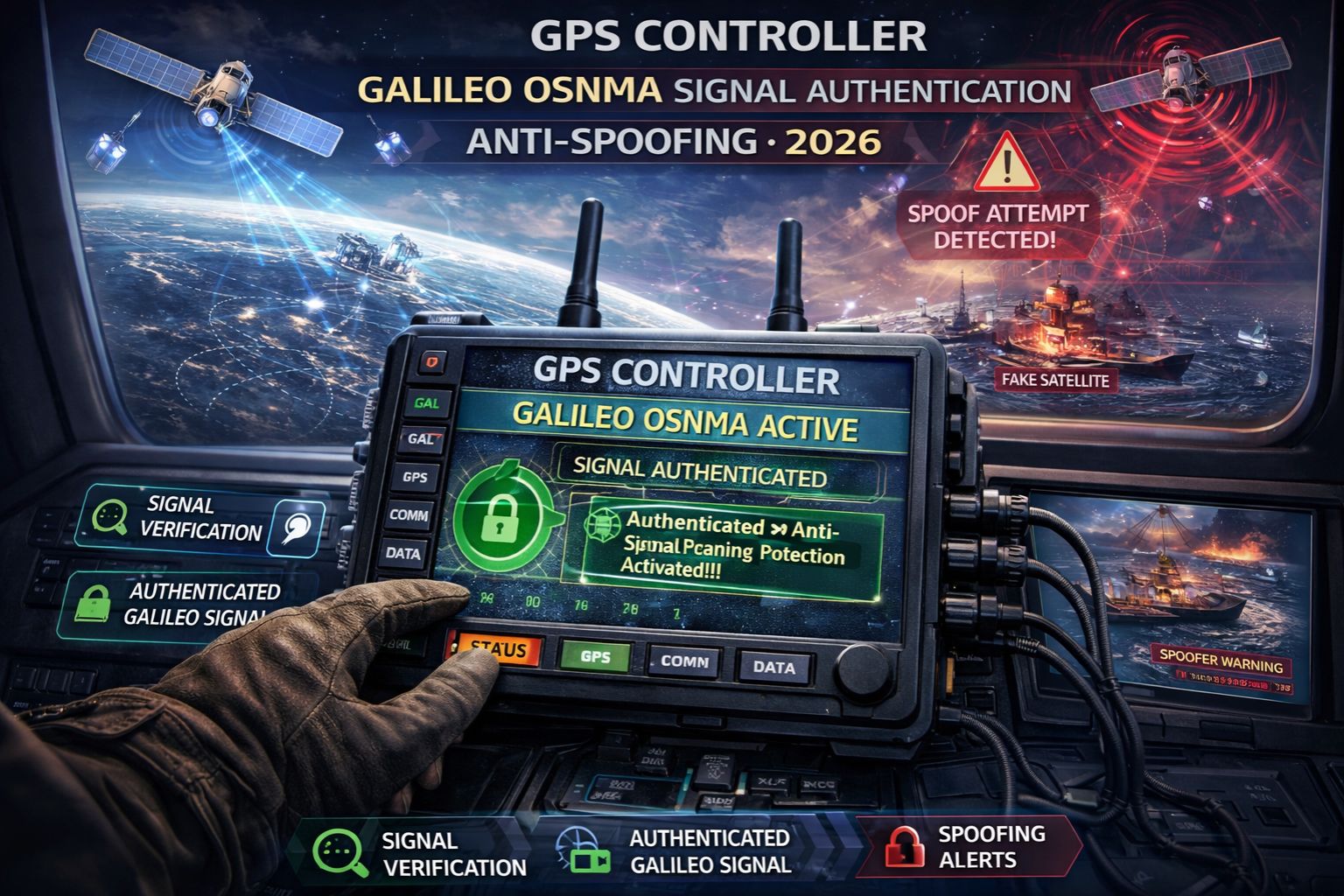
GPS Controller Galileo OSNMA signal authentication anti spoofing 2026
For fleet managers, the Galileo Open Service Navigation Message Authentication (OSNMA) is basically a 2026-ready feature that verifies GPS signals are genuine, not spoofed by a malicious transmitter. And this matters because honestly, a single spoofed vehicle location can corrupt an entire day's compliance logs—showing a truck parked legally when it was actually moving in a restricted zone. The authentication happens in the GNSS chipset itself, before the location data even reaches your fleet management software. That creates a trusted data layer that, frankly, most tracking platforms just forward without ever validating.
What OSNMA Authentication Means for Your Fleet's Location Data
Clarity here is really about data integrity, not just signal strength. What OSNMA does is provide a cryptographic signature for each Galileo satellite signal, so compatible receivers can confirm the signal is from the actual satellite constellation and not some ground-based spoofer. In practice, this means your geofence entry and exit alerts are finally based on verified coordinates. We've actually seen instances where non-authenticated systems reported a service vehicle idling at a depot, while the driver was miles away—a discrepancy only caught during a fuel tax audit because the engine data just didn't match the falsified location.
The Real-World Gap When Spoofing Isn't Caught
At operational scale, the risk isn't just one wrong pin on a map; it's systemic data corruption. If a spoofing attack goes undetected, it creates this cascade of inaccuracies: incorrect Hours of Service logs, invalidated ELD records, route histories that don't match fuel consumption or toll road charges. The non-obvious detail is that many fleet tracking systems treat all GNSS data as equal; they'll happily map a spoofed signal, leaving you with a clean-looking but completely fraudulent compliance trail. The real boundary condition is your reporting system—if it can't flag or quarantine unauthenticated data points, you're essentially trusting your entire operation to an unverified signal.
Common Mistakes in Planning for 2026 Signal Security
The biggest mistake is assuming your current GPS hardware will support OSNMA through a simple firmware update. The reality is, most existing fleet tracking devices use older GNSS chipsets that just lack the dedicated processing needed for the cryptographic authentication protocol. People often misunderstand this, thinking it's just a software feature from their provider. But it actually requires new hardware. And if you try procuring OSNMA-ready devices in 2026 without a phased rollout plan, you'll end up with a mixed fleet—where some vehicles report authenticated data and others don't. That creates a compliance nightmare and frankly makes the advanced feature useless for any fleet-wide integrity.
Deciding Between an Upgrade or a Workaround
This really comes down to a clear replace-or-accept decision. You can replace your tracking devices with OSNMA-capable hardware as part of your normal refresh cycle, which builds a verified location layer from the ground up. Or, you can try to reconfigure your operational workflows to rely on secondary validation—like blending cellular tower triangulation or accelerometer data to spot location anomalies—but that adds a lot of complexity. The decision boundary is your compliance liability. If you operate in regulated sectors like hazardous materials or passenger transport, or face strict jurisdictional reporting, internal workarounds are almost certainly insufficient. The cryptographic guarantee of OSNMA becomes a non-negotiable requirement for audit defense. That's the point where platforms like GPS Controller integrate this verified data natively.
FAQ
Question: What is Galileo OSNMA in simple terms?
Answer: Think of it as a built-in verification system for European Galileo satellite signals. It proves the location data your tracker receives is real and not fake, sort of like a digital signature for your GPS coordinates.
Question: Can my current GPS trackers use OSNMA?
Answer: Almost certainly not. OSNMA requires specific new hardware—GNSS chipsets—to process the authentication. So, most existing fleet devices will need to be physically replaced to get the benefit.
Question: How does location spoofing actually affect my fleet reports?
Answer: It can make it look like a vehicle is on a compliant route or at a permitted site when it's not. That corrupts everything: ELD logs, geofence records, and creates major discrepancies during things like fuel tax or safety audits.
Question: Is OSNMA only for European fleets?
Answer: While it's part of the European Galileo system, the signals are global. Any fleet worldwide using compatible receivers can use OSNMA to authenticate Galileo signals, which adds a critical layer of security no matter where you are.
Question: Will OSNMA stop all GPS tracking problems?
Answer: No, it won't. It only solves signal spoofing and data authenticity. It doesn't fix signal loss in urban canyons, battery issues, or device tampering. It's a specific tool for a specific threat.
Question: Do I need special software to see the authenticated data?
Answer: The authentication happens in the device itself. Your software should receive a "verified" status flag with the location data. The key is making sure your reporting and analytics platform can actually process and alert on this status.
Question: What's the cost of not upgrading to OSNMA-capable devices?
Answer: The cost is operational risk. Without it, your fleet's location data stays vulnerable to spoofing. That can lead directly to compliance violations, failed audits, and an inability to prove where your assets truly were—which is a significant liability.
Answer: Start by auditing a sample of your current devices to confirm their GNSS chipset models. Then, factor OSNMA-ready devices into your next procurement cycle, prioritizing vehicles on high-compliance or high-security routes. The transition needs planning, because a partial rollout offers pretty limited protection.


Comments
Post a Comment