GPS Controller for shipping companies in AIS dark zone Middle East 2026
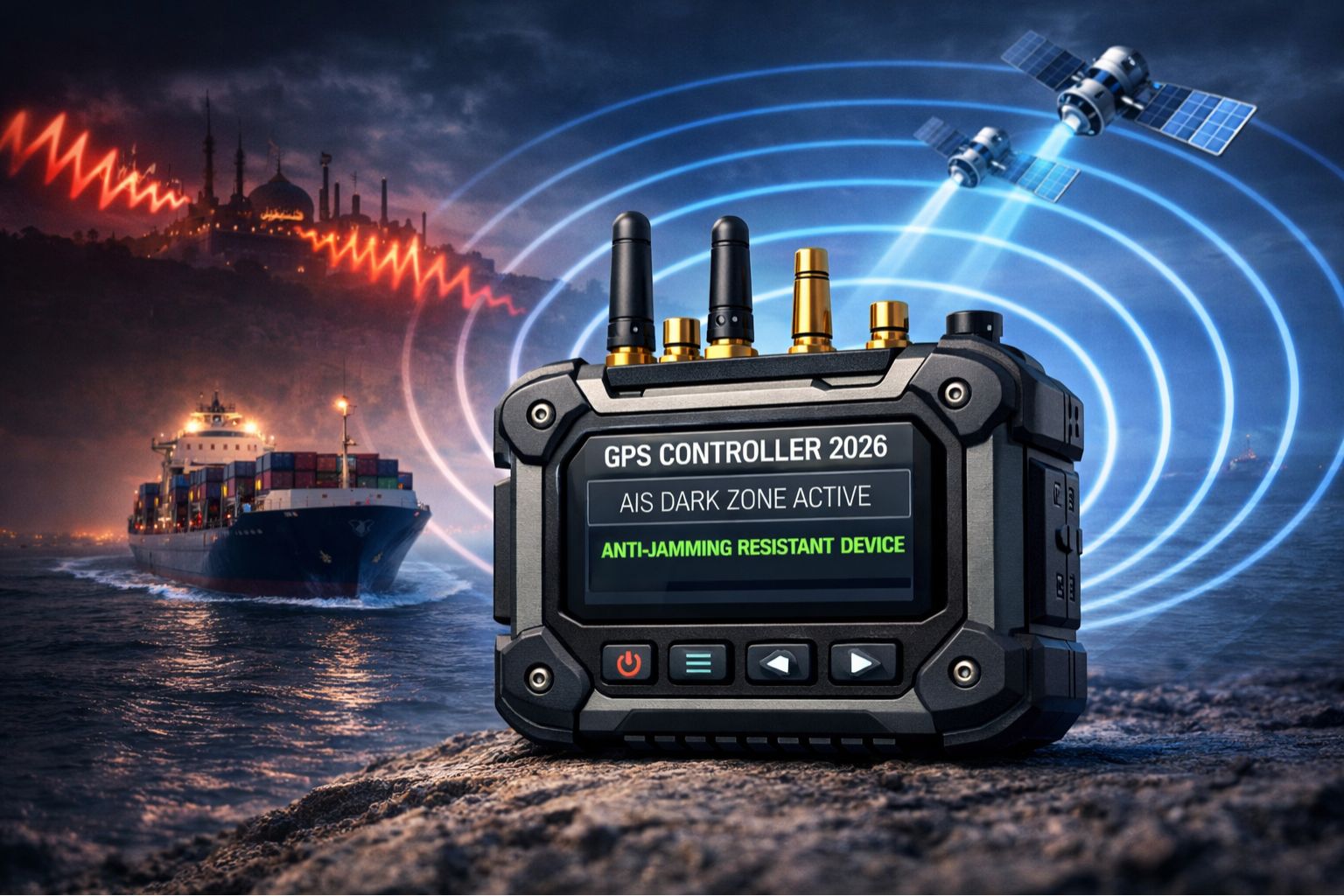
GPS Controller for shipping companies in AIS dark zone Middle East 2026
Look, if you're a shipping company operating in the Middle East in 2026, relying just on AIS for vessel tracking is a major risk. Especially in those known dark zones where signals get jammed or just vanish. A GPS Controller strategy here... it's not just about getting a location ping. It's about having a hybrid telematics layer that can pull together sporadic GPS data with inertial sensors and whatever else it can get to keep a proper, compliance-grade position log when AIS goes dark. The real problem isn't just losing a dot on a map. It's everything that follows—the port entry delays piling up, the insurance arguments, and having no way to prove you stuck to sanctioned routes when that automated identification system feed cuts out.
What AIS Dark Zone Tracking Really Means for 2026 Fleets
So, an AIS dark zone in the Middle East basically means areas where the Automatic Identification System signal is useless. It's either jammed, spoofed, or just gone. What happens? Your team on shore watches a vessel's icon freeze on their screen. That last known position gets older and older by the hour. I've seen logistics managers think a ship is dead in the water when it's actually moving full speed through a high-risk corridor, its AIS transmitter totally blinded. The thing a lot of people miss is that many modern IoT asset monitoring platforms can actually pull in data from the vessel's own internal GPS receivers. Those often keep working locally even when the broadcast AIS link is dead.
The Operational Reality When Your Primary Signal Vanishes
When AIS drops for multiple ships across your fleet, everything manual just falls apart. You can't get accurate ETAs for ports, which means missed berthing slots and demurrage charges piling up. Your compliance team can't automatically generate those unbroken chain-of-custody logs that regulators and charterers demand. And here's the kicker: if your backup plan relies on cellular data to relay position, that'll fail too once the vessel moves out of coastal range. Then you've got zero remote visibility. You're just waiting, sometimes for days, for the ship to come out of the dark zone.
Common Mistakes That Escalate a Blackout Into a Crisis
The biggest, most expensive mistake is treating AIS as the only truth for a vessel's location. Companies spend on these huge video walls showing AIS feeds, but they don't have a dashboard that shows the gap between the ship's internal GPS log and the public AIS broadcast. It creates this false sense of security. Then when there's a dispute—say, over a potential route deviation—the shipping company has no forensic telemetry data to prove its course. All they have is a corrupted or missing AIS trail. That gap is what turns into insurance claims and hefty penalties.
Decision Help: Reconfigure Your Telematics or Redesign Tracking?
You're basically looking at two choices. You can try to reconfigure your current vessel monitoring system to accept and prioritize hybrid data feeds. Or, you redesign your whole tracking setup around a multi-source fleet management software core. The deciding factor is your internal capability. If your team can handle integrating satellite comms data pipes—like from Iridium or Inmarsat—and parse raw NMEA GPS sentences, fusing it all with AIS events in near-real-time, then reconfiguring might work. But if that level of data engineering is out of your reach, you hit a wall. At that point, a redesign using a specialized maritime gps controller platform becomes the only realistic way to operate reliably in 2026.
FAQ
Question: What is an AIS dark zone in shipping?
Answer: It's a maritime area where the Automatic Identification System signal is degraded, spoofed, or blocked. Vessels can't broadcast their position, identity, or course to shore or other ships. For fleet operators, it creates a critical gap in visibility.
Question: Why is GPS not enough for ships if AIS fails?
Answer: A standard GPS receiver tells the *ship* where it is, but it doesn't automatically send that data to your operations center. Without a separate, reliable telematics link—like satellite comms—to get the GPS data back to shore, you're still blind in a dark zone. The ship knows where it is, but you don't.
Question: What are the compliance risks in AIS dark zones?
Answer: The main risks are not being able to prove you stayed in sanctioned lanes, failing to keep the continuous tracking records regulators require, and disputes over where a vessel was during an incident. That can lead to port state control detentions, fines, and even voided insurance.
Answer: The solution is a hybrid tracking system. You use a dedicated gps controller to log position and then transmit it via a separate satellite link when AIS is down. That way you keep an unbroken, auditable trail for both compliance and operational safety.


Comments
Post a Comment