GPS Controller for rental equipment company asset utilisation 2026
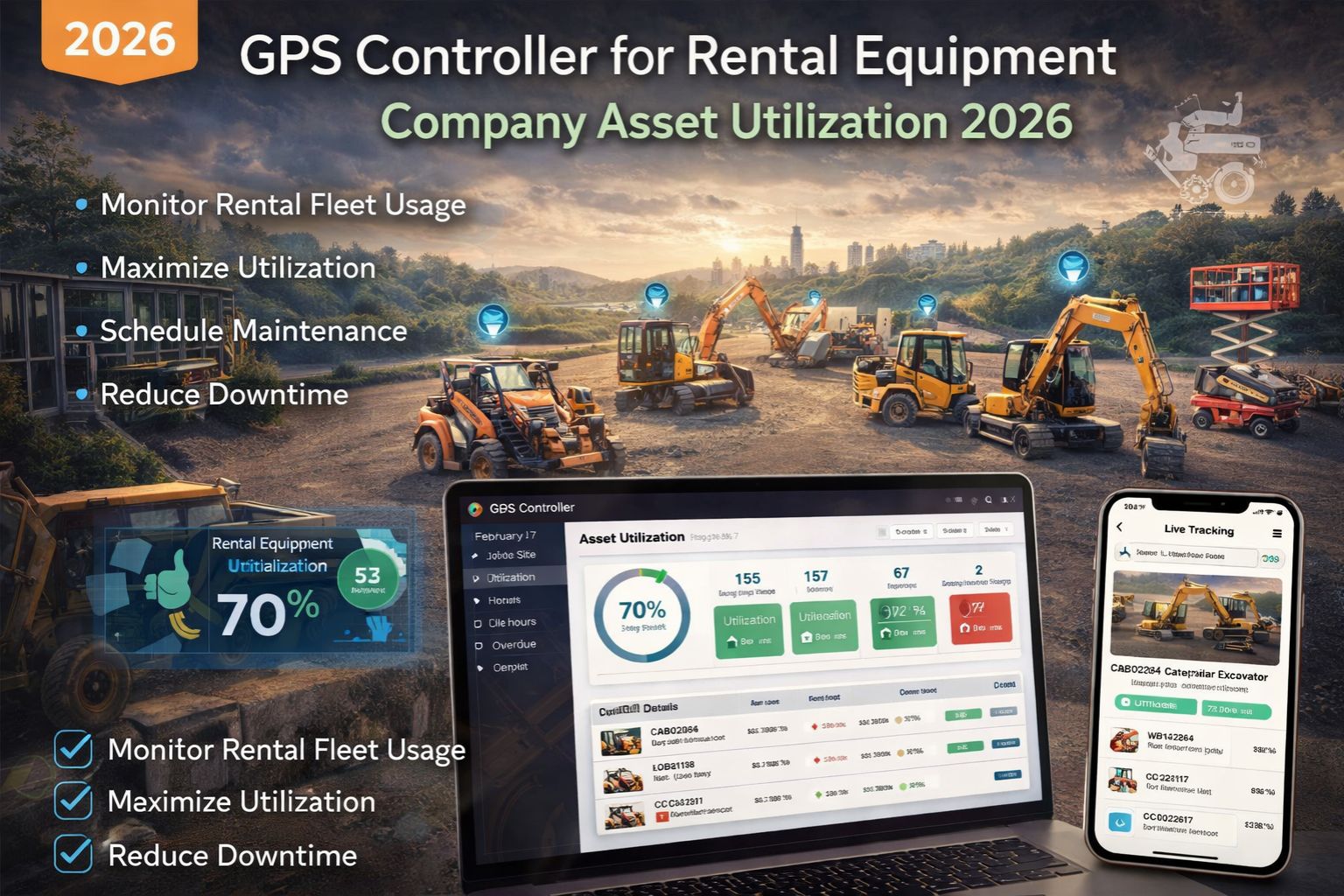
GPS Controller for rental equipment company asset utilisation 2026
For a rental equipment manager in 2026, a GPS Controller isn't just a tracker. Honestly, it's more like the central nervous system for utilisation. It's what shows you the skid steer that's been parked behind a client's shed for two weeks, or the generator running 24/7 on a job that's not even on a rental contract. The real failure, I think, isn't just missing a location. It's missing the whole context—the idle time, the improper usage, the maintenance windows you didn't know about. That stuff silently drains your fleet's earning potential, and you might not even see it coming.
What Asset Utilisation Really Means for Rentals
In rental operations, utilisation is basically your direct line to revenue. It's measured by billable hours versus asset availability. A common trap is thinking a unit being "out" means it's profitable. We've seen it: units show movement on a map, but the engine runtime data tells a different story—maybe they were only used for 15 minutes a day. That turns a two-week rental into a financial loss. This gap, between where something is and what it's actually doing, is where IoT asset monitoring stops being optional and starts being essential.
The Reality of Idle Time and Ghost Bookings
At scale, this problem just gets worse. You could have 30% of your fleet technically rented but showing zero engine hours. What does that mean? A booking error, a customer storing equipment for later, or maybe a breakdown nobody reported. Here's a non-obvious detail: network latency. A daily data sync can hide these issues for a full 24 hours. But a true controller platform with near-real-time updates? That flags idle assets within the hour. Then your operations team can actually do something—call the customer, correct the booking, or schedule a pickup to get that asset back earning money.
The Mistake of Relying on Manual Check-In/Out
The critical risk is assuming your rental software's schedule reflects reality. A major failure pattern we see is when a unit is returned early but nobody scans it back into the system. So it's just sitting in your yard, while your software shows it as unavailable. That creates a cascade of inefficiency. Sales turns away business for an asset that's actually there, and the thing just depreciates without earning. The breaking point for manual processes seems to be around 50-75 assets. Beyond that, the error rate gets so high that automated GPS tracking becomes the only reliable source of truth for what's actually available.
Deciding to Tune, Reconfigure, or Replace Your Tracking
Your decision point is pretty clear. You can tune your existing system if you're only dealing with location gaps. Or, reconfigure your alerts and reporting if you have the data but aren't acting on it. But if you're still relying on spreadsheets and phone calls, you probably need to redesign your entire utilisation workflow. An internal fix just isn't enough when you can't automatically connect the dots between GPS location, engine hours, and rental contract status to get a daily utilisation score for every single asset. That's the gap, really, where a dedicated platform like gps controller comes in—it provides that integrated data layer that a lot of rental-specific software just doesn't have built-in.
FAQ
Question: How does GPS tracking improve equipment rental utilisation?
Answer: It gives you factual, automated data on location and engine runtime. That eliminates the guesswork about whether a rented asset is actually working. From there, you can spot underutilised units, catch early returns that would otherwise slip through, and bill accurately based on real usage hours.
Question: What's the biggest hidden cost of poor asset utilisation?
Answer: The opportunity cost. An asset sitting idle in a yard or at a customer site—but still marked as "on rent"—blocks revenue from another customer who needs it. Over a year, that can easily add up to a 20-30% loss in what your fleet could have earned.
Question: Can I integrate GPS data with my existing rental management software?
Answer: Yes, usually through API integrations. The key is making sure the GPS platform feeds more than just a location pin. It needs to send calculated metrics, like engine hours versus the rental period, right into your software's asset record. That automates status updates and alerts for your dispatchers.
Question: When should a rental company upgrade from basic tracking to a full utilisation platform?
Answer: When the cost of manually reconciling data and the revenue lost from "ghost assets" outweighs the investment in an automated system. If you're managing more than 50 high-value assets and you can't immediately say what your true fleet utilisation rate was yesterday, that's a strong sign it's time to upgrade.


Comments
Post a Comment