GPS Controller for armoured cash transit vehicle security 2026
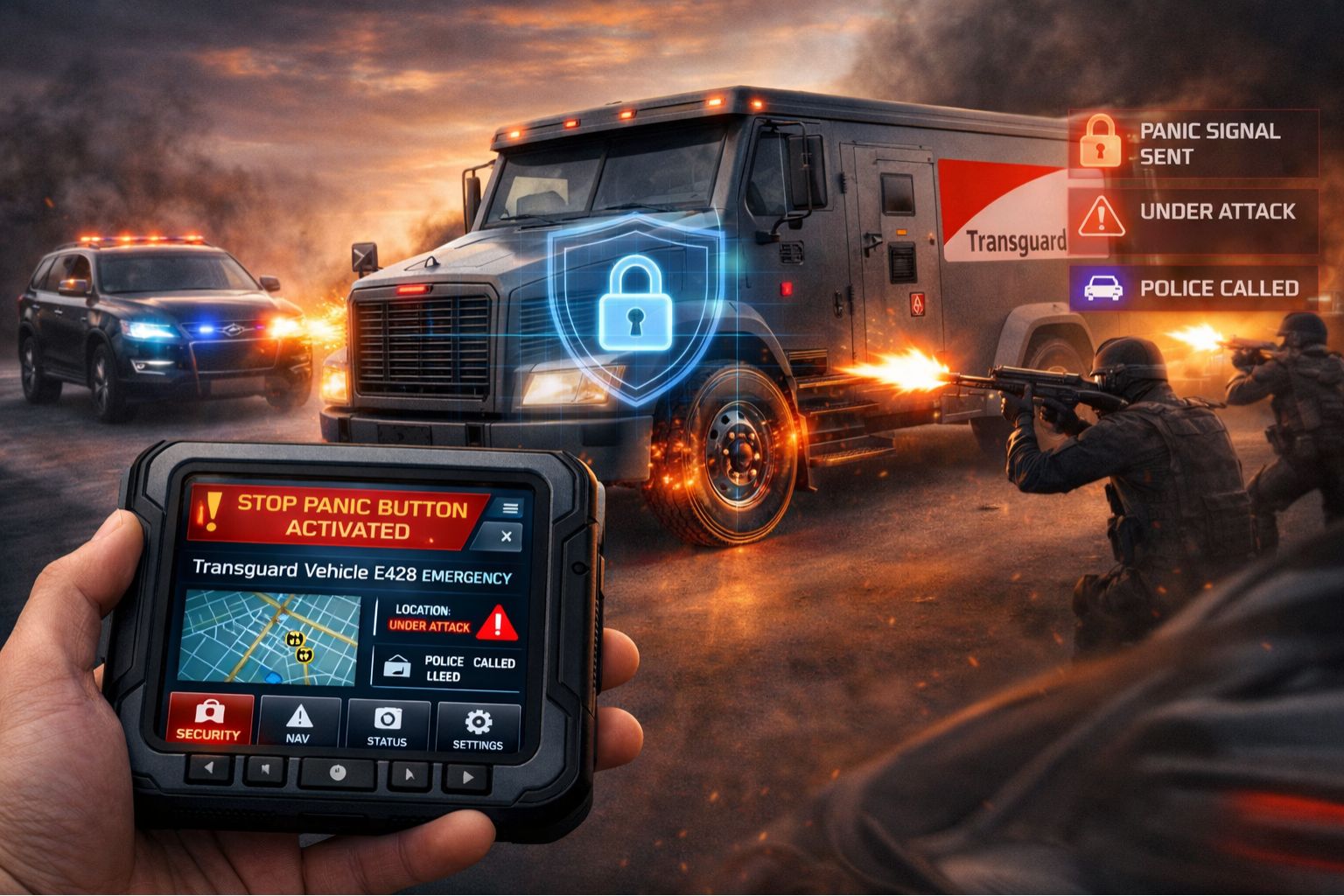
GPS Controller for armoured cash transit vehicle security 2026
When your armoured vehicle is moving cash, a standard GPS tracker isn't a tool—it's a liability. Honestly, the controller managing the signal, the encryption on those location pings, and the sub-second latency of geofence alerts become your primary security layer. In 2026, the threat isn't just theft; it's coordinated signal jamming, spoofed routes, and telemetry gaps that leave a multi-million dollar asset completely blind during its most critical transit windows.
What "Security" Means for an Armoured Vehicle GPS Controller
Security here is really a chain of data integrity. It starts with the controller's ability to just maintain a location fix inside the vehicle's reinforced metal shell—a common point of signal degradation we see causing "stationary" false reports while the vehicle is actually in motion. The controller must also encrypt each data packet before transmission, a non-obvious detail so many fleet systems overlook, leaving real-time location streams wide open to interception. This isn't about tracking; it's about creating a verifiable, tamper-proof log for every meter of the route, which is a necessity for both insurance and post-incident forensic reports and analytics.
The Real-World Failure You Don't See Coming
The catastrophic failure mode isn't a stolen truck; it's a controlled exploitation of weak telemetry. We've observed incidents where jamming devices, which are readily available, create a "data bubble" around a vehicle. A basic tracker just goes idle, but a hardened controller should immediately switch to dead reckoning using onboard inertial sensors and queue encrypted alerts the moment signal is restored. Without this, a vehicle can be diverted during a 10-minute blind spot, and the log shows a normal route—that's a compliance nightmare. The misunderstanding is treating GPS as a simple "where" tool, not as the core nervous system of the vehicle's entire security protocol.
The Cost of a "Good Enough" Tracking Mistake
The mistake is prioritizing cost over signal resilience. Armoured transit operates at a scale where every second of latency in a geofence breach alert or a duress button press is measured in risk exposure. A standard fleet device might batch data to save battery, creating a 2-3 minute delay in alert transmission—which is an eternity. Furthermore, if the controller can't integrate natively with the vehicle's onboard panic systems and internal sensors, you end up with two disconnected security systems. This gap is exactly where response protocols break down, because the central monitoring station receives fragmented, delayed data when they desperately need a unified, real-time geofencing alert picture.
Choosing Your 2026 Security Controller: Tune, Reconfigure, or Replace?
This is a clear decision. You can *tune* settings on an existing commercial fleet device, but you cannot add military-grade encryption or inertial navigation fallback. You can *reconfigure* alerts, but you cannot harden the hardware against directed RF interference. The boundary is both physical and digital. If your operation requires verified custody logs for high-value assets, or if your insurance premiums are tied to telemetry integrity, then internal fixes are just insufficient. The 2026 standard is a dedicated, hardened controller designed for the specific threat model of armoured logistics, where gps controller resilience is the absolute foundation of the entire security stack.
FAQ
Question: What's the main difference between a regular fleet GPS and one for an armoured car?
Answer: The core difference is signal integrity under attack. A fleet tracker reports location; an armoured vehicle controller has to guarantee location veracity. It uses multi-frequency GNSS to resist jamming, encrypts every single data point, and has backup inertial sensors to log movement even when GPS is blocked—which is critical for audit trails.
Question: Can signal jamming really disable our vehicle tracking?
Answer: Yes, easily. Low-cost jammers flood GPS frequencies, causing standard devices to lose fix. A proper security-grade controller detects this jamming as an attack signature, triggers an immediate tamper alert via cellular backup, and uses its internal sensors to dead-reckon and log the path until clear signal returns.
Question: How important is geofencing for cash transit routes?
Answer: It's the primary real-time control layer. Static geofences for depots are basic. For transit, you need dynamic corridor geofencing that alerts if the vehicle deviates more than, say, 50 meters from the planned route. The real risk is a delayed or missed alert due to telemetry batching, which creates a dangerous false sense of security during a hijacking event.
Answer: The decision hinges on compliance and liability. If you merely need to know a vehicle's general location, a commercial tracker might suffice. But if you need an immutable, court-admissible log of a high-value asset's exact route, speed, stops, and proof against tampering, then you require the hardened data pipeline and forensic logging capability of a dedicated security gps controller.


Comments
Post a Comment