GPS Controller fleet software with open API third party integration 2026
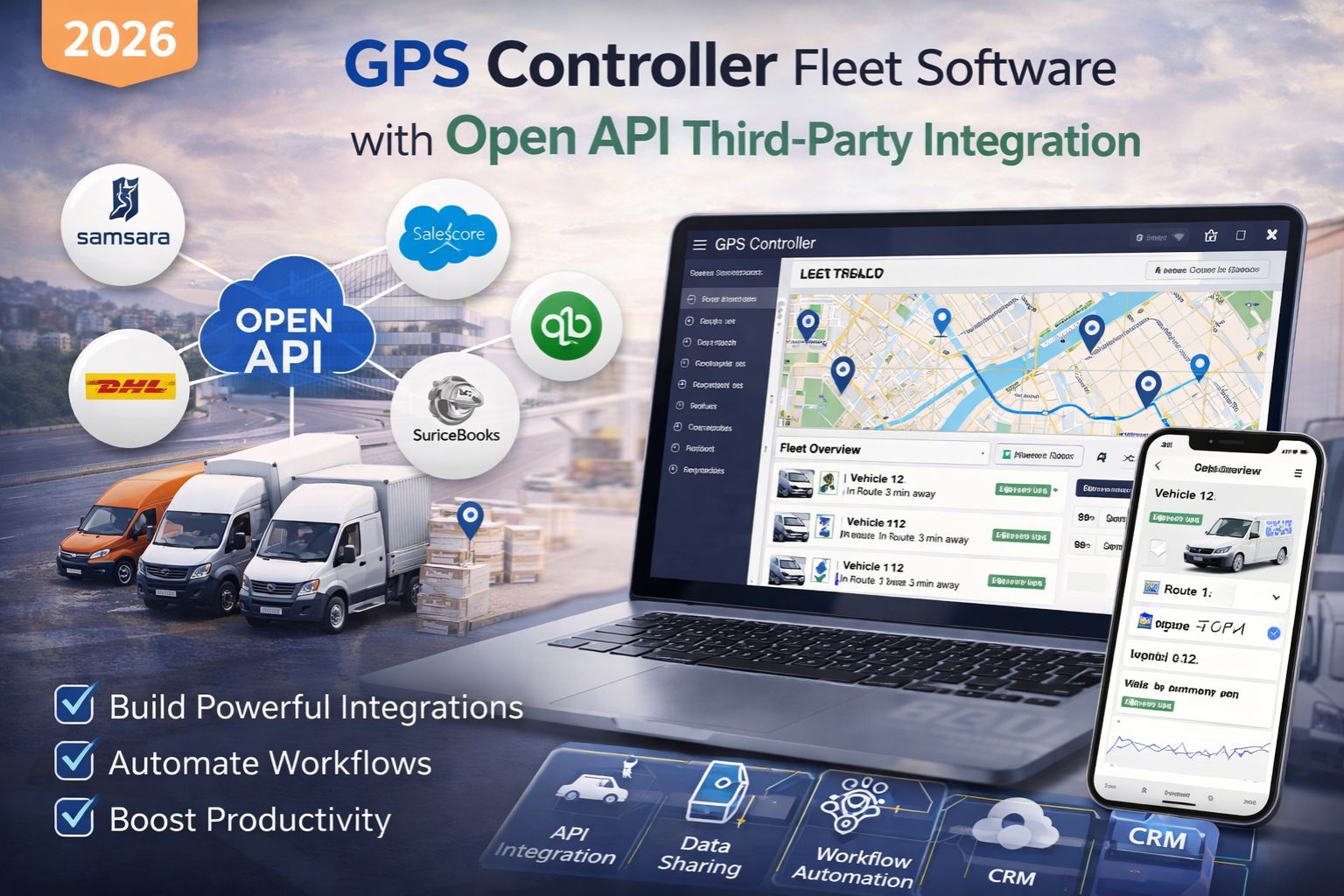
GPS Controller fleet software with open API third party integration 2026
When you're looking at GPS Controller fleet software with an open API for 2026, you're doing more than just ticking a box. You're basically staking your daily operations on a link that has to hold up under real pressure—scale, updates, and shifts in a vendor's plan that you didn't make. That "seamless connectivity" promise? It can hide things like laggy data handoffs, fields that change without warning, and auth failures that only pop up when the system's stressed. What was supposed to be a strategic link can turn into a constant scramble for your teams.
What Open API Integration Really Means for Fleet Data Flow
In reality, an open API is a structured handshake, but the real trouble starts with data mapping and timing. You could be pulling a vehicle's location every 30 seconds, but if the other system—say, the maintenance software—only checks every 2 minutes, you've created a lag. So a truck might show as "en route" in your fleet management software while it's already sitting in the yard flagged for repair. That's not a glitch; it's a basic mismatch that screws up your whole view of operations.
The Reality of Sync Failures at Operational Scale
When you're operating at scale, with hundreds of vehicles, API calls start to queue up. We've seen it happen: a geofence exit event triggers an API call to update a job status, but if the third-party dispatch system is slow to respond, the call just times out. The GPS software might retry once, but then that status update is just... gone. The driver ends up waiting on-site with no task. And the logs might show a clean "200 OK" for the first request, completely hiding the fact that the actual workflow failed.
Common Mistakes That Lead to Vendor Lock-in and Broken Workflows
The biggest error is thinking "REST API" means you can just plug it in and it works. Teams often build their integrations using the vendor's demo sandbox, which is a clean, low-traffic environment. They don't test with their own production data's volume and speed. So they miss how a simple field name change in a 2026 API update can break their custom reports without a sound, or how rate limiting will throttle their custom reports and analytics right during the busiest hours. Suddenly you're stuck—either locked into an old API version or facing a pricey rebuild.
Deciding Between Building, Buying, or Requiring a Certified Connector
This is where you have to draw the line. You can *build* your own integration if you have dedicated DevOps people to handle API versioning and error queues. You can *buy* a middleware platform that's built for this kind of telematics data. Or, you need to *require* that the GPS controller platform offers a pre-built, actively maintained connector to your specific third-party systems. It really comes down to your internal support. If you don't have a developer on call to fix an authentication token refresh at 3 AM, then a certified connector isn't just nice to have—it's what you need to keep running.
FAQ
Question: What does "open API" actually guarantee with fleet software?
Answer: It guarantees there are documented endpoints for data. That's it. It doesn't guarantee reliability, speed, or that the data will actually fit your business logic. You're on the hook to build and maintain the integration that makes the data work for you.
Question: How can API integration affect ELD compliance?
Answer: If the HOS data from the ELD flows through an API to another system and that sync fails, you can end up with drivers showing available hours in one place while they're legally out-of-service in another. That's a serious audit risk right there.
Question: We have a developer; can't we just build our own integration?
Answer: Sure, you can. But then you own all of it—the monitoring, the error handling, keeping up with every API change. When the GPS provider updates its geofence event payload in 2026, your custom alert system for managers will break unless you catch it and update your code.
Question: What's the one thing to ask a vendor about their 2026 API roadmap?
Answer: Ask how they handle deprecation and how they notify you. You need to know how much warning you'll get before a breaking change, and if they offer any tools to help migrate. A solid GPS controller platform will have a developer portal with clear version timelines and test environments that match what's coming.


Comments
Post a Comment