GPS Controller automatic number plate recognition ANPR integration 2026
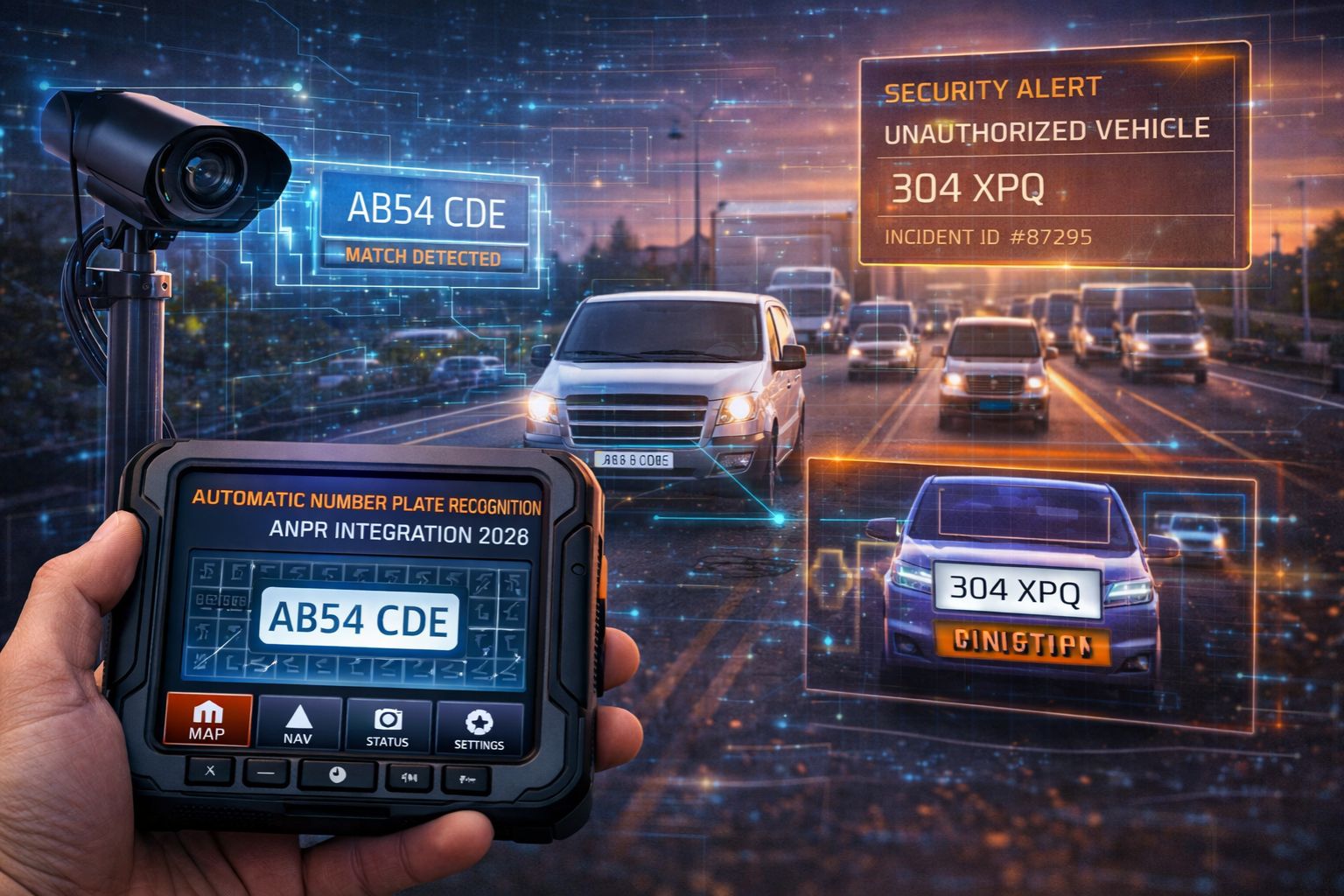
GPS Controller automatic number plate recognition ANPR integration 2026
The 2026 push for GPS Controller ANPR integration promises a unified view of fleet movement and vehicle identity. But honestly, the reality often ends up being a data layer that can fall out of sync. That leaves security protocols blind to vehicles operating outside their assigned routes, or to the wrong drivers entirely.
What ANPR Integration Actually Means for Fleet Tracking
In practice, this integration means your GPS tracking platform is trying to match a live GPS coordinate stream with a separate feed of license plate images and OCR results—and that second feed is often batch-processed, not truly live. The core value is supposed to close the loop between "a vehicle is here" and "this specific vehicle is here," which is critical for high-security loads. But the most common thing you'll notice is a 2-5 second lag between the GPS ping and the ANPR confirmation. It sounds small, but it's enough for a gate to open for the wrong truck if your geofence logic isn't specifically built to wait for that confirmation.
The Scale Problem No One Talks About
Think about a depot processing 500 trucks per hour. A 99% ANPR accuracy rate sounds great on paper, but that still means 5 misreads every single hour. When your fleet management software automatically logs every single mismatch, it creates a compliance nightmare. Was it just a plate misread? A GPS drift error? Or an actual security breach? The system can't tell the difference, so it flags everything. This ends up generating hundreds of low-priority alerts that operators naturally start to ignore, which buries the one critical event you actually needed to catch. On top of that, the network load from streaming high-resolution plate images alongside all the regular telemetry data can throttle the primary GPS feed during peak times.
Why Most Integrations Fail at the Decision Point
The failure pattern usually isn't in the technology handshake itself. It's in the operational assumption that ANPR data is a perfect, real-time truth. Teams often set up automated actions—like locking yard gates or assigning unloading bays—based solely on a positive ANPR match. But when a dirty plate, poor lighting, or an angled camera causes a misread, the whole workflow breaks down. The vehicle is physically present (the GPS confirms that), but the system sees an "unrecognized" plate and denies it access. This inevitably creates a manual override culture, which completely defeats the integration's purpose. The root misunderstanding is treating ANPR as an infallible primary key, instead of what it is: a secondary, and sometimes fallible, verification layer.
Should You Tune, Reconfigure, or Replace?
Your decision really hinges on your tolerance for false positives. If your operation can handle manually verifying a dozen mismatches a day, then you can probably just tune the confidence thresholds and add delays to your automated triggers. If mismatches cause real contractual or compliance penalties, then you likely need to reconfigure the entire data pipeline, maybe even adding a human-in-the-loop verification step via a mobile dashboard. The boundary for considering a full replacement is when the ongoing cost of manual overrides and incident investigations starts to exceed the cost of a more advanced, AI-powered ANPR system with genuinely higher accuracy rates. For many, the 2026 gps controller ecosystem will demand a hybrid approach—using ANPR for audit trails and alerts, but not relying on it for instantaneous, automated access control.
FAQ
Question: What is the main benefit of integrating ANPR with my GPS tracking?
Answer: The main benefit is automated vehicle identity verification. It links a specific license plate to a live location, which enhances security for controlled sites, can automate yard logistics, and creates an auditable chain of custody for regulated goods.
Question: How accurate is ANPR technology in 2026 for fleet vehicles?
Answer: It's improved, but it's still not 100%. You can expect 95-99% under ideal conditions—clean plates, good lighting. But accuracy drops a lot in rain, at night, or with angled cameras. That makes it a reliable audit tool, but a risky choice as the sole trigger for any automated action.
Question: Can ANPR integration help with driver compliance and hours-of-service?
Answer: Only indirectly. It can help verify if the correct driver is in the assigned vehicle, which supports compliance. But it doesn't replace ELD (Electronic Logging Device) data for actual hours-of-service tracking. Its real role is identity correlation, not activity monitoring.
Answer: It comes down to your false-positive tolerance. If you can manage occasional manual interventions, tune the system. If mismatches cause operational stoppages or compliance failures, you'll need to reconfigure your workflows or invest in a higher-tier ANPR solution that offers the reliability your gps controller platform needs for seamless operation.


Comments
Post a Comment