GPS cattle herd tracker signal failure and battery drain in India
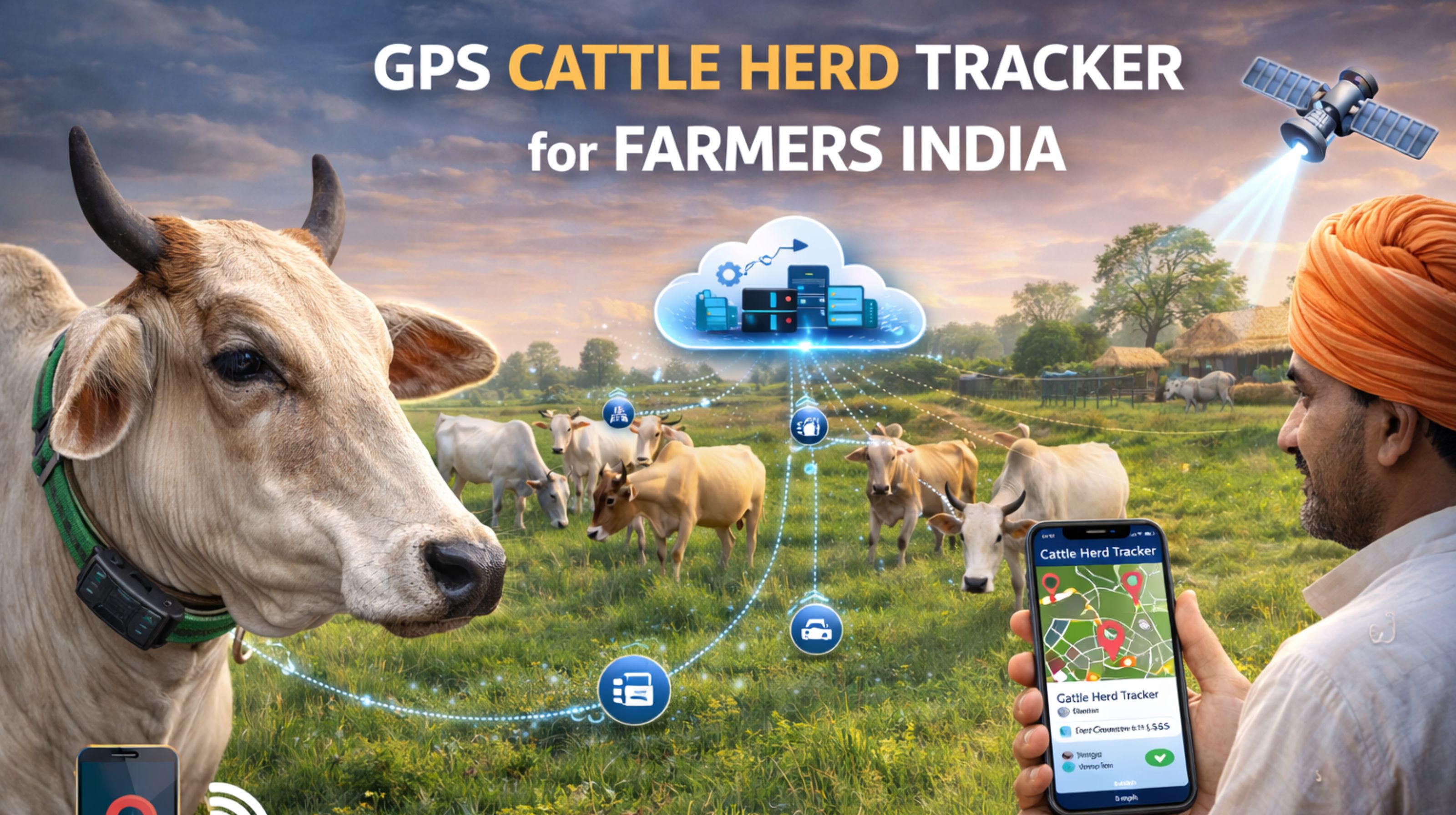
GPS cattle herd tracker signal failure and battery drain in India
For Indian farmers with large herds, a GPS cattle tracker that stops reporting or dies early isn't just a hassle—it's a direct threat to the livestock and your livelihood. Honestly, the reality is that a lot of devices sold for this just can't handle the actual environmental stress and scale of real pasture conditions. That leaves you with critical data gaps right when you can least afford them.
What GPS tracker failure means for a moving herd
You need to understand the live gap: when a tracker on your lead bull goes silent, you don't just lose one dot. You lose the predictive movement of the entire herd that follows that animal. In practice, we've seen farmers miss the early signs of a herd drifting toward a neighbor's crops simply because the main tracker's battery drained way faster than promised in hilly, low-signal areas.
The reality of Indian pasture conditions on device performance
You get the promise of "long battery life," but then the reality hits: animals roam through thick foliage, across water, and in spots with patchy GPRS. Under that real load, the device has to work much harder to find and send a signal, which just slaughters the battery life. One detail people often miss? The extreme temperature swings between night and day in places like Rajasthan can actually degrade the battery chemistry faster, causing it to fail long before it's supposed to.
Common mistakes that escalate to total herd tracking loss
The big risk is thinking one tracker per herd is enough. When that single device fails, you're completely blind. Another critical error is relying only on cellular network alerts for geofence breaches. In many rural spots, that alert can be delayed for hours because of network issues, and by then, the herd is already gone. If you're managing livestock for a co-op or an export contract, this creates a serious audit and compliance gap.
Decision help: when to tune settings versus replace the system
The line is pretty clear. If you're constantly tweaking reporting intervals, swapping batteries every week, or getting false "immobile" alerts from signal loss, your hardware just isn't up to the job. Internal fixes won't work if the core problem is a weak receiver or a battery that isn't rugged enough. At that point, you really need to rethink your whole tracking approach. Often, that means moving to a managed IoT monitoring system with devices actually built for agricultural scale. A proper gps controller platform designed for telematics can handle the workflow—like linking herd movement to pasture rotation schedules—that consumer-grade apps simply can't.
FAQ
q What is the biggest problem with GPS trackers for cattle in India?
a The biggest problem is unreliable signal acquisition in varied terrain leading to data blackouts, combined with battery drain that doesn't match advertised life under real grazing conditions.
q How does weather affect cattle tracker GPS accuracy?
a Heavy cloud cover, monsoon rains, and even dense tree canopy in grazing areas can weaken GPS signal strength, causing position inaccuracies of hundreds of meters, making geofence alerts unreliable.
q Can I track a whole herd with one GPS tracker?
a Technically yes, but it's a high-risk strategy. Herds can scatter, and a single point of failure means complete visibility loss. For effective herd management, tracking multiple key animals is necessary.
q When should a farmer replace their cattle tracking system entirely?
a Replace when consistent signal loss leads to missed boundary alerts, battery replacement becomes a weekly chore, or the data is too unreliable for managing grazing patterns or audit requirements. This is when evaluating a dedicated gps controller system becomes critical.


Comments
Post a Comment