GPS Bike Tracker Security Failure and Signal Loss in Real Fleet Tracking
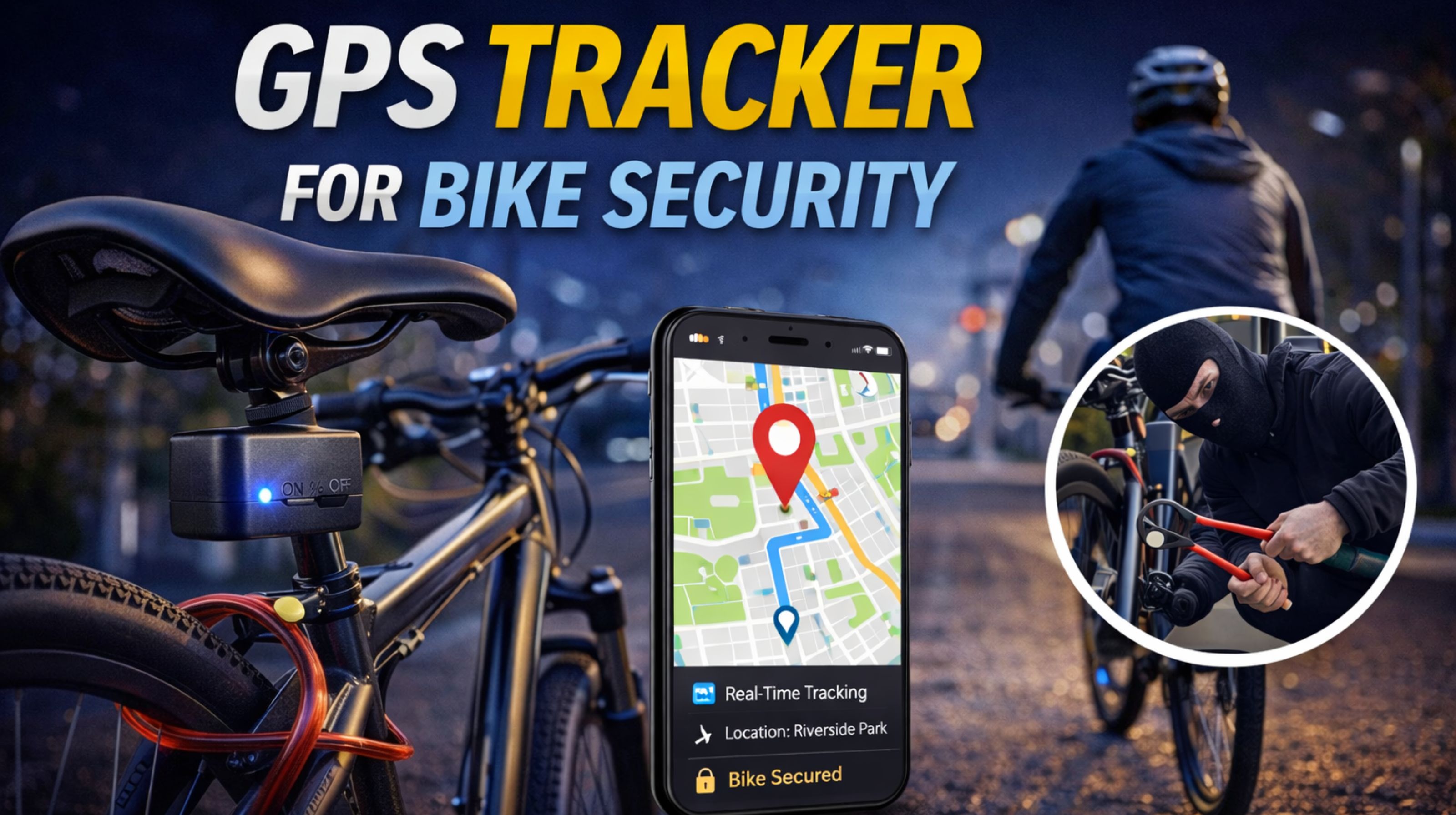
GPS Bike Tracker Security Failure and Signal Loss in Real Fleet Tracking
When a GPS tracker for bike security fails, it's rarely just the device breaking. More often, it's this cascade of things: a delayed geofence alert, signal jitter when a bike goes into underground parking, and audit logs that don't match up, leaving everything unprotected. The real issue usually isn't the hardware itself, but that gap between the tracker sending a ping and your security team's actual reaction time.
What GPS Bike Tracker Security Means in Live Fleet Operations
In a live security context, this means you need to know about unauthorized movement the *second* a bike leaves its geofence, not five minutes later when the thief is already blocks away. A common observation in fleets is delayed SMS or email alerts—sometimes due to weird network routing priorities—which basically makes real-time tracking useless for actually preventing theft. Effective security really hinges on those immediate, reliable Geofencing Alerts that actually trigger your response protocol.
What Happens Under Real Theft Attempts and Scale
During a real theft attempt, the tracker's battery-saving "sleep modes" can cause it to miss a critical location ping. Then you've got urban canyon effects in cities throwing location accuracy off by hundreds of feet. And at scale, when you're managing dozens of bikes, the dashboard just becomes a blur of stale data points. It becomes impossible to tell a legitimate move from a theft. The non-obvious detail that trips people up? It's often the controller's polling rate conflicting with how long the cellular module takes to register on the network.
Wrong Assumptions and Critical Failure Patterns
The most dangerous assumption is thinking a strong GPS signal equals security. In reality, a stolen bike could be in a metal shipping container with zero signal, while your dashboard still shows its last known location as "secure." That misunderstanding causes all sorts of problems, like managers blaming the device instead of the system's inherent latency and single-point dependency. Another classic failure pattern is relying solely on app notifications without any backup alarm system integrated.
Decision Help: When to Tune, Reconfigure, or Replace
The decision boundary is usually pretty clear: if you're seeing delayed alerts and signal dropout during routine moves in your standard operating area, you can probably tune geofence sizes and notification rules. But if failures happen during simulated theft drills, or you're facing compliance gaps in your asset audit trails, then internal fixes aren't enough. You need a system redesign or a full replacement. That's when evaluating a dedicated IoT Asset Monitoring platform becomes critical, because a basic gps controller often lacks the necessary redundancy and reporting depth.
FAQ
q How accurate are GPS trackers for bikes in a city?
a Urban canyon effect can reduce accuracy to 50-100 feet, and signal loss in parking garages is common. So precise real-time tracking for immediate theft intervention? It's often unreliable.
q Can a thief disable a GPS bike tracker easily?
a If the tracker is poorly installed with visible wiring, or if it relies only on GPS with no backup motion or tilt sensors, then yeah, it can be found and removed pretty quickly. That's a critical security design flaw.
q What happens to tracking if the bike's main battery is cut?
a Trackers with no internal backup battery will go offline instantly. Better units have hours of reserve power and should send a "power loss" alert—that's a key boundary condition you need for security.
q When is a bike tracker not worth fixing?
a When persistent signal loss creates gaps in your audit trail, or when delayed alerts keep failing simulated theft tests. At that point, continuing to patch the system poses an unacceptable risk. You need to replace it with a more robust gps controller platform.


Comments
Post a Comment