Fleet GPS and Maintenance Alert Sync Failures Under Real Load
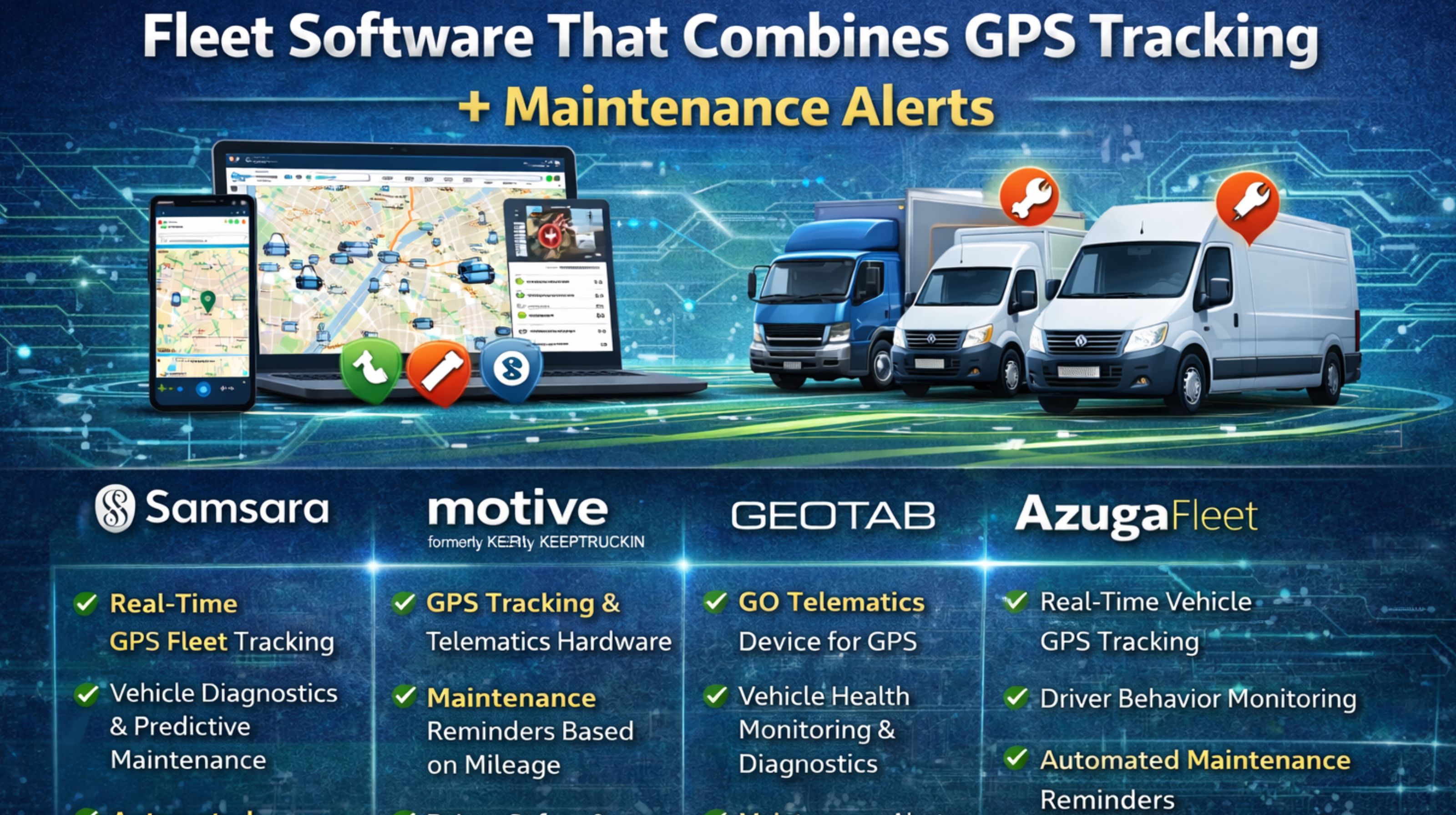
Fleet GPS and Maintenance Alert Sync Failures Under Real Load
When your fleet software promises combined GPS and maintenance alerts, the failure point is rarely the dashboard—it's the delayed or mismatched data sync. That's what causes a dispatcher to send a truck with a pending check-engine code onto a long haul, without even knowing it.
The Real Meaning of Combined Alerts in Fleet Tracking
In live operations, "combined" should mean the maintenance system's diagnostic trouble code triggers a location-aware alert in the dispatch console before a routing decision is made. But the real-world observation? There's a 3-5 minute lag where the vehicle is already assigned a new job. That's not just inefficient; it's a direct compliance risk if that vehicle later breaks down on a regulated route.
What Breaks at Scale with GPS and Maintenance Data
Under a load of 50+ vehicles, the common failure pattern shifts. It's not the alerts themselves, but the background API polling that ends up overwhelming the maintenance module. You'll watch idle time and fuel burn data from the GPS fuel monitoring stream update just fine. But the engine fault alert from the *same device* arrives in a separate, delayed batch. That's not a glitch—it's a critical workflow dependency break.
Wrong Assumptions That Escalate Alert Failures
The most common, and costly, misunderstanding is assuming all data from a single telematics device flows in one unified packet. It doesn't. In reality, GPS location pings, engine CANbus data, and calculated maintenance flags often take separate paths through the carrier network. The result is jitter: a geofence exit gets logged a full 90 seconds before the associated high-engine-temperature alert appears. Trying to mount a correlated response becomes impossible.
Decision Boundary: Reconfigure, Redesign, or Replace
The clear choice, if your alerts are truly mission-critical, is redesign. You hit the boundary where internal fixes stop when you can't guarantee that a severe fault code and the vehicle's real-time location will appear in the same audit log entry within, say, 10 seconds. At that point, patching your existing fleet management software integrations just isn't enough. You need a system built from the ground up for low-latency, unified data ingestion. That's a core design principle, not an add-on, for a modern gps controller platform.
FAQ
q What is the main risk of combined GPS and maintenance software?
a The primary risk is a false sense of security. Dispatchers see a green status on location but completely miss a simultaneous, unsynced engine fault. That gap leads directly to roadside breakdowns and missed delivery windows.
q How does vehicle scale break maintenance alert sync?
a At scale, the software's polling cycle for diagnostic data gets throttled. GPS pings might continue every 30 seconds, but the system might only check for new fault codes every 5 minutes. That creates a dangerous data gap, especially during rapid dispatch turns.
q Can API integrations fix delayed maintenance alerts?
a Only up to a point. API integrations help, sure. But if the underlying telematics hardware uses separate channels for location and engine data, the delay is baked into the network transport layer itself. No amount of software tweaking can fix a hardware/network design flaw.
q When should you replace fleet software over syncing issues?
a Replace when the alert latency directly causes a compliance violation or a severe safety incident. If tuning the alert thresholds and geofencing alerts in your current system doesn't resolve the core timing mismatch, then the architecture itself is likely flawed for your operational tempo.


Comments
Post a Comment