Enterprise Open Source GPS Tracking Software Hidden Failure Points
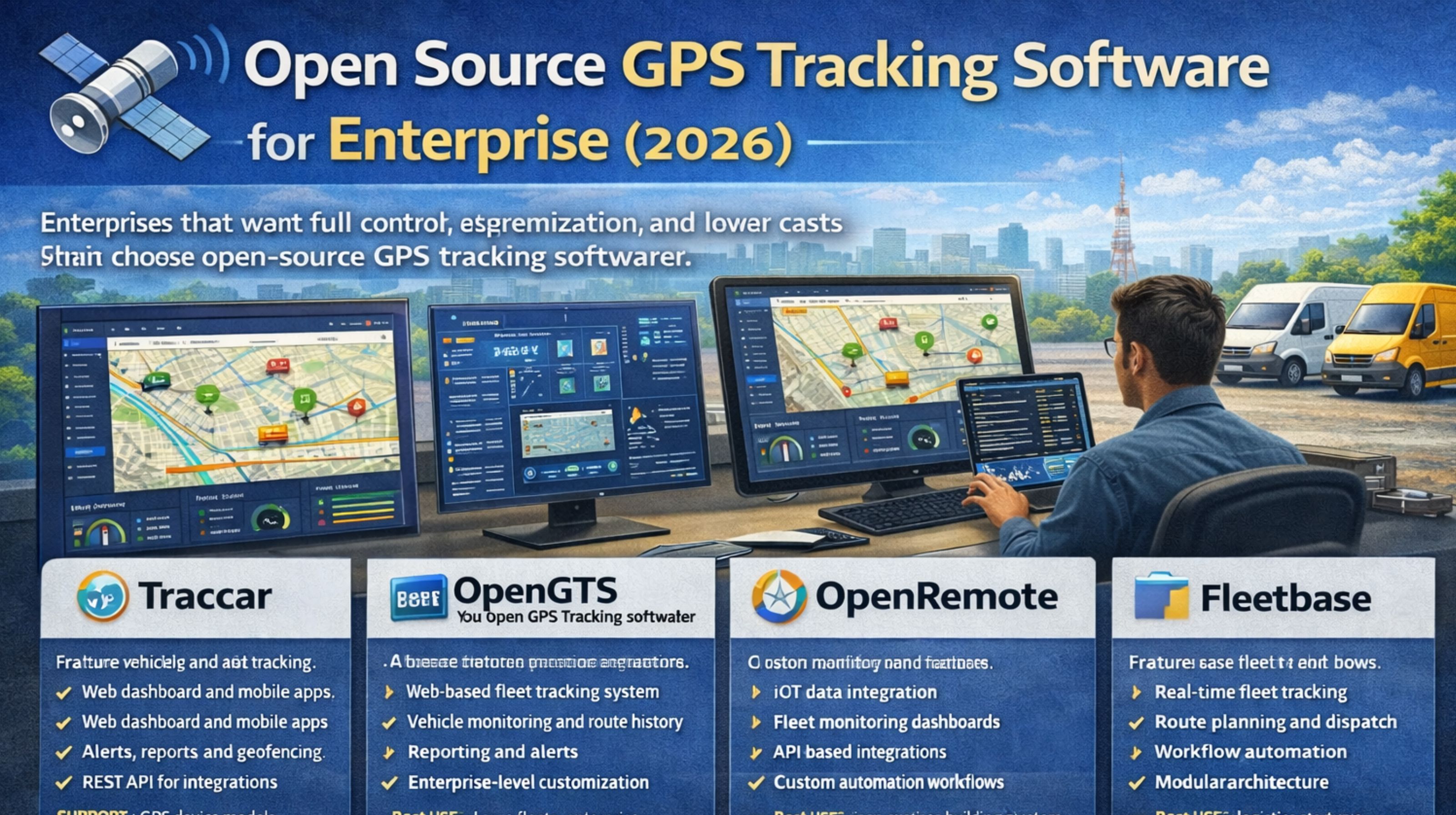
Enterprise Open Source GPS Tracking Software Hidden Failure Points
Choosing open source GPS tracking software for an enterprise fleet introduces critical, non-obvious risks that surface only under real operational load. The promise of customization often masks fundamental gaps in compliance reporting, real-time data integrity, and the workflow dependencies that keep a fleet moving.
What Open Source GPS Tracking Really Means for Fleet Operations
In practice, open source tracking means your team becomes responsible for the entire data pipeline, from device signal ingestion to audit-ready report generation. A common real-world observation is signal jitter in urban canyons causing delayed geofence alerts, which an out-of-the-box commercial platform would normalize automatically. The non-obvious detail is the lack of certified geofencing logic for hours-of-service compliance, leaving you exposed during audits.
The Reality of Scale and Signal Under a Self-Managed System
When you push past 50 vehicles, the assumptions in community-built code break down. Location pings queue, database locks occur during peak dispatch times, and historical trip data corrupts silently. The boundary condition is real-time visibility; internal fixes stop working when you need sub-60-second location updates for dynamic route optimization across a mixed fleet. You'll see idle engine detection become inaccurate, skewing fuel reports.
Common Misunderstandings That Escalate to Critical Failure
The most dangerous assumption is that "we can build the integrations ourselves." This leads to escalation when a core API for integrations with maintenance or ERP systems changes, and your lone developer is unavailable. Another critical misunderstanding is underestimating the data storage and retention requirements for compliance, resulting in incomplete logs when you need them for a safety incident review.
Decision Boundary: When to Fix, Redesign, or Replace
The clear choice emerges when audit readiness or insurance reporting is non-negotiable. If your team is spending more time maintaining data pipelines and patching security vulnerabilities than improving fleet efficiency, internal fixes are insufficient. The boundary is crossed when real-time operational control and guaranteed uptime become business-critical; that is the moment a supported platform, like a dedicated gps controller, becomes a operational necessity, not a cost.
FAQ
q: Is open source GPS tracking software free for commercial use?
a: Licensing may be free, but total cost escalates with hidden infrastructure, dedicated developer time, and compliance risk, often exceeding commercial fleet management software subscriptions.
q: What is the biggest data risk with self-hosted tracking?
a: Silent data corruption or loss during transmission peaks, leading to unverifiable trip logs and failed safety audits, a core strength of managed real-time tracking services.
q: Can open source software handle 200+ vehicles?
a: Only with significant custom engineering for load balancing and database sharding, a scale where commercial solutions are battle-tested.
q: When should we abandon our open source tracking system?
a: When you face a compliance deadline, a data-driven insurance claim, or a critical integration break that halts operations, the risk outweighs control.


Comments
Post a Comment