cold chain GPS temperature shock sensor tracker 2026
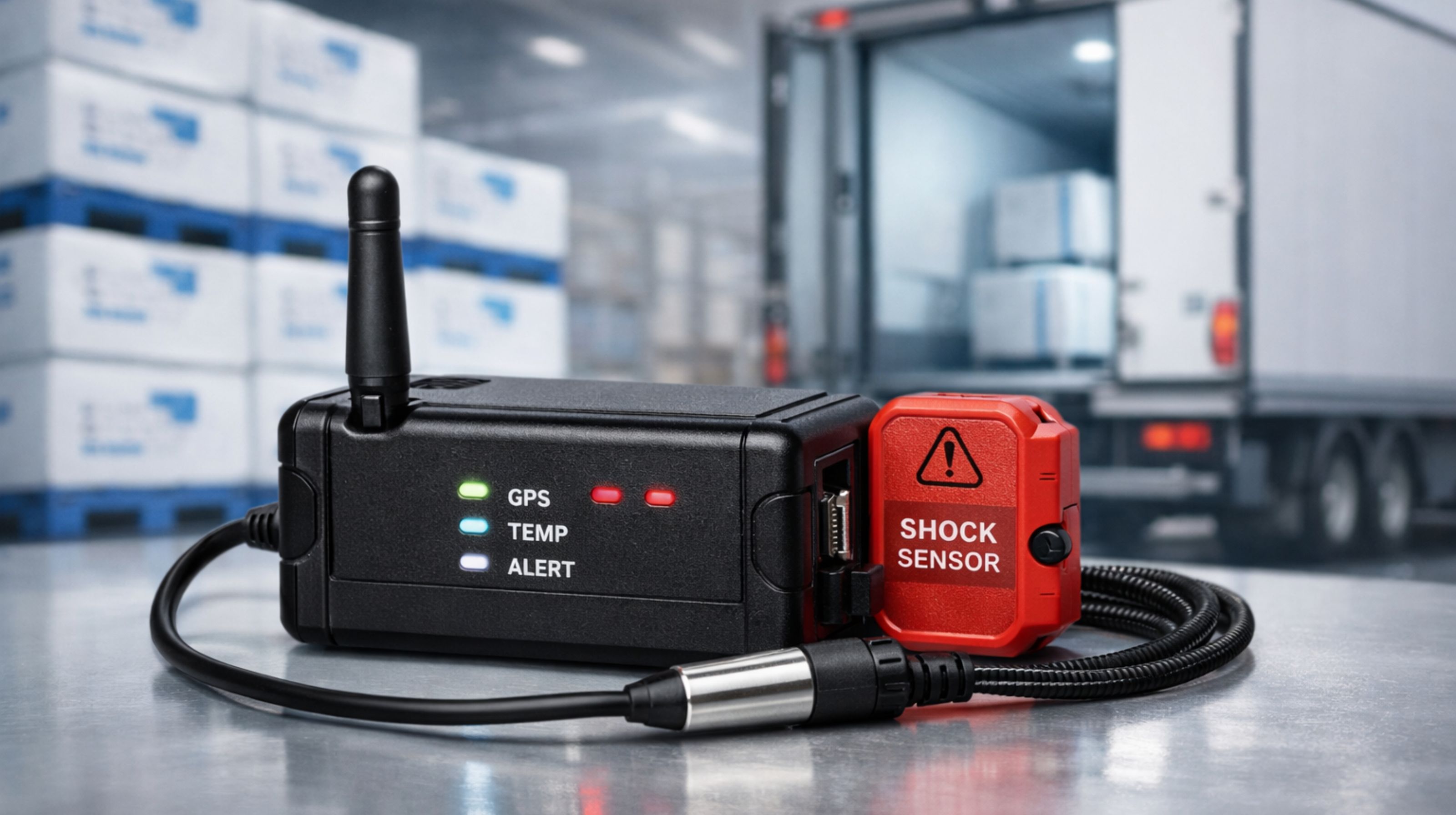
cold chain GPS temperature shock sensor tracker 2026
In 2026 cold chain logistics, a GPS temperature shock sensor tracker that reports with a delay isn't just a data lag—it's a silent spoilage event already in progress. Honestly, the primary failure is that decoupling: the real-time shock alert gets disconnected from the vehicle's actual GPS position. It creates this unactionable "where and when" gap for warehouse teams, and by the time they see it, the damage is often done.
What This Sensor Delay Means for Live Shipments
You get the picture when you see a temperature excursion alert on your dashboard, but the GPS pin shows the truck was at a loading dock two hours ago. What actually happened? The sensor recorded the shock during transit, but the device prioritized buffering that high-fidelity temperature data over an immediate cellular transmission. So the whole data packet gets delayed. And that's the thing—this isn't some random glitch. It's a deliberate design trade-off that just falls apart under real cold chain pressure.
The Reality at Scale: Lost Loads and Broken Trust
At real operational scale, this delay doesn't just sit there—it cascades. Imagine a reefer unit fails on a multi-stop route. The delayed sensor data shows the last good temperature was at stop one, completely missing the actual point of failure. So dispatchers can't even tell drivers to check units proactively. Receivers end up rejecting loads based on these incomplete logs. The non-obvious detail? It's often about how those gateway devices on trailers manage power and network handoffs. They'll deprioritize "non-critical" sensor data just to keep the GPS heartbeat signal alive.
The Critical Mistake: Assuming Data Sync Equals Real-Time
The big misunderstanding that causes escalation is this: teams see the dashboard eventually shows synchronized GPS and temperature data, so they assume the system is working in real-time. They'll waste hours auditing these "complete" logs that are, in fact, historically reconstructed. The real risk is making compliance decisions based on that false synchronicity. You might sign off on a shipment that's already breached its safe temperature window, which directly threatens your entire audit trail and liability. It looks right, but it's dangerously out of sync.
When to Tune, Reconfigure, or Replace Your Trackers
Your decision boundary has to be clear. If delays are under five minutes and clearly caused by network settings, fine, you can tune transmission intervals. If delays are consistent and tied to specific geographies or heavy multi-sensor payloads, you probably need to reconfigure the device's data prioritization protocol. But—and this is critical—if the core hardware simply cannot handle simultaneous real-time GPS and immediate shock sensor transmission without buffering, that's a fundamental design limit. At that point, internal fixes are just bandaids. You have to replace the tracker, because the device architecture itself is creating the compliance gap.
FAQ
-
Question: Why would a 2026 GPS temperature sensor show a location different from where the shock happened?
-
Answer: It usually comes down to a data packetization issue. The device stores the shock event timestamp and the GPS coordinates separately, then transmits them together in a single bundle when it decides the cellular signal is strong enough. That's what causes the mismatch with your real-time map view.
-
Question: How does this delay risk cold chain compliance for pharmaceuticals?
-
Answer: Audit trails demand immutable, time-synchronized logs. A delay breaks the chain of custody proof. It makes it impossible to verify if temperature was maintained throughout the entire transit, which can straight-up lead to shipment rejection and regulatory violations.
-
Question: Can better cellular plans fix GPS temperature tracker delays?
-
Answer: Not usually. The bottleneck is often the device's own processing power and its firmware logic—it decides what data to send first. Upgrading your cellular plan doesn't change the device's internal buffering behavior when the signal gets weak.
-
Question: What's the final sign I need a new cold chain tracking system?
-
Answer: When you cannot achieve simultaneous, real-time transmission of location and sensor alerts without resorting to firmware hacks that drain the battery or cause GPS to drop out... that's a hardware limit. At that boundary, a platform actually designed for unified data streaming, like gps controller, becomes an operational necessity, not just an optional upgrade.


Comments
Post a Comment