Centimeter-Level GNSS Accuracy Fails in Urban Canyons
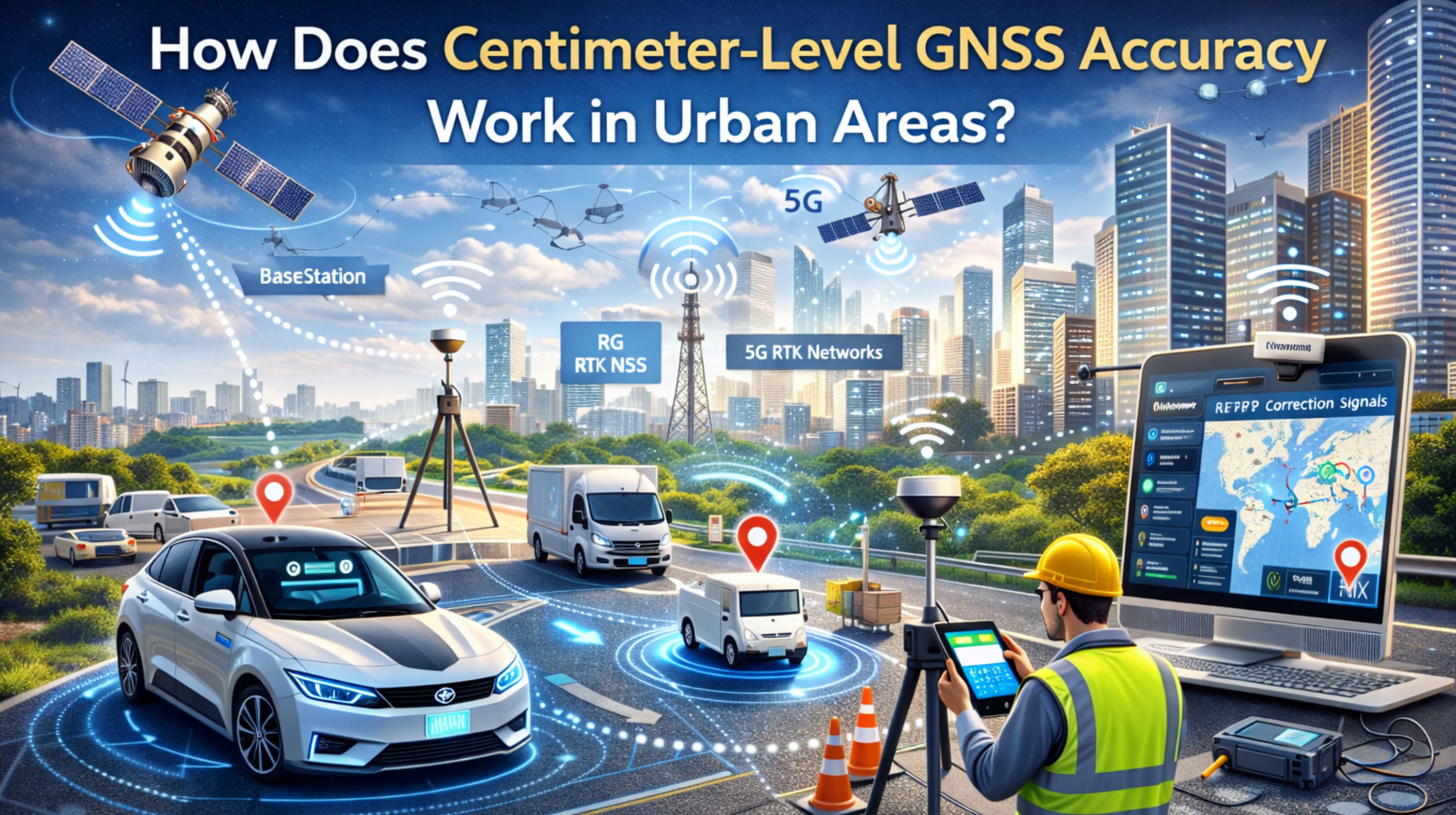
Centimeter-Level GNSS Accuracy Fails in Urban Canyons
For fleet managers, that promise of centimeter-level GNSS in dense cities? It often just breaks down. You end up with delayed geofence alerts and idle time reports you can't really trust, which creates immediate headaches for audits.
What Centimeter-Level GNSS Actually Means for Fleet Tracking
The tech uses corrections to fix signal errors, sure. But in an urban setting, what you're really trying to do is tell if a truck is idling properly at a loading dock or parked illegally on the street. That distinction is everything for compliance and for decent fuel performance monitoring.
The Reality of Urban Signal Chaos at Fleet Scale
Put a whole fleet in there, and things fall apart. First, signal jitter in tunnels starts registering false "stopped" events. Then, signals bouncing off buildings create these ghost vehicles that show up blocks away. It corrupts your dispatch data and completely undermines your real-time vehicle tracking.
Common Mistakes That Escalate Urban GNSS Failures
The big one is thinking a more expensive antenna will solve multipath issues. It often doesn't. The real problem is usually the GNSS receiver's own firmware—it just can't process the correction data fast enough when the signal keeps dropping. That's what leads to catastrophic position drift, especially during tight last-mile delivery windows.
Decision Boundary: When to Stop Tuning and Redesign
Here's a rule of thumb: if your vehicles are consistently showing position errors over 10 meters for more than half a minute in your core area, you're past the point of internal tuning. That's the boundary. You need a system redesign, maybe integrating IMUs with a truly robust fleet management software platform. It's where a gps controller's architecture really gets tested.
FAQ
q: does centimeter gnss work in downtown areas?
a: It sort of works, but intermittently. Multipath from skyscrapers often degrades accuracy down to several meters, which basically wipes out the whole centimeter advantage for precise geofencing.
q: what causes sudden gnss drift in cities?
a: Sudden drift is usually a loss of lock on the correction signal, forcing the receiver to fall back to standard GPS. It happens a lot during something as simple as a left turn into an urban canyon.
q: how many vehicles break centimeter accuracy in cities?
a: In a dense urban core, you can expect over 60% of a fleet to have episodes where accuracy drops beyond 2 meters. That directly hits scalable geofencing alerts and route reporting.
q: should i upgrade hardware or change software for urban accuracy?
a: If it's just a few specific choke points, try upgrading antennas. But if it's fleet-wide and messing with billing or compliance? Then you need a software-level redesign—one that can handle accuracy degradation without falling over. That's a core function modern telematics platforms have to have.


Comments
Post a Comment