Cargo Container GPS Tracking Failure in Global Shipping
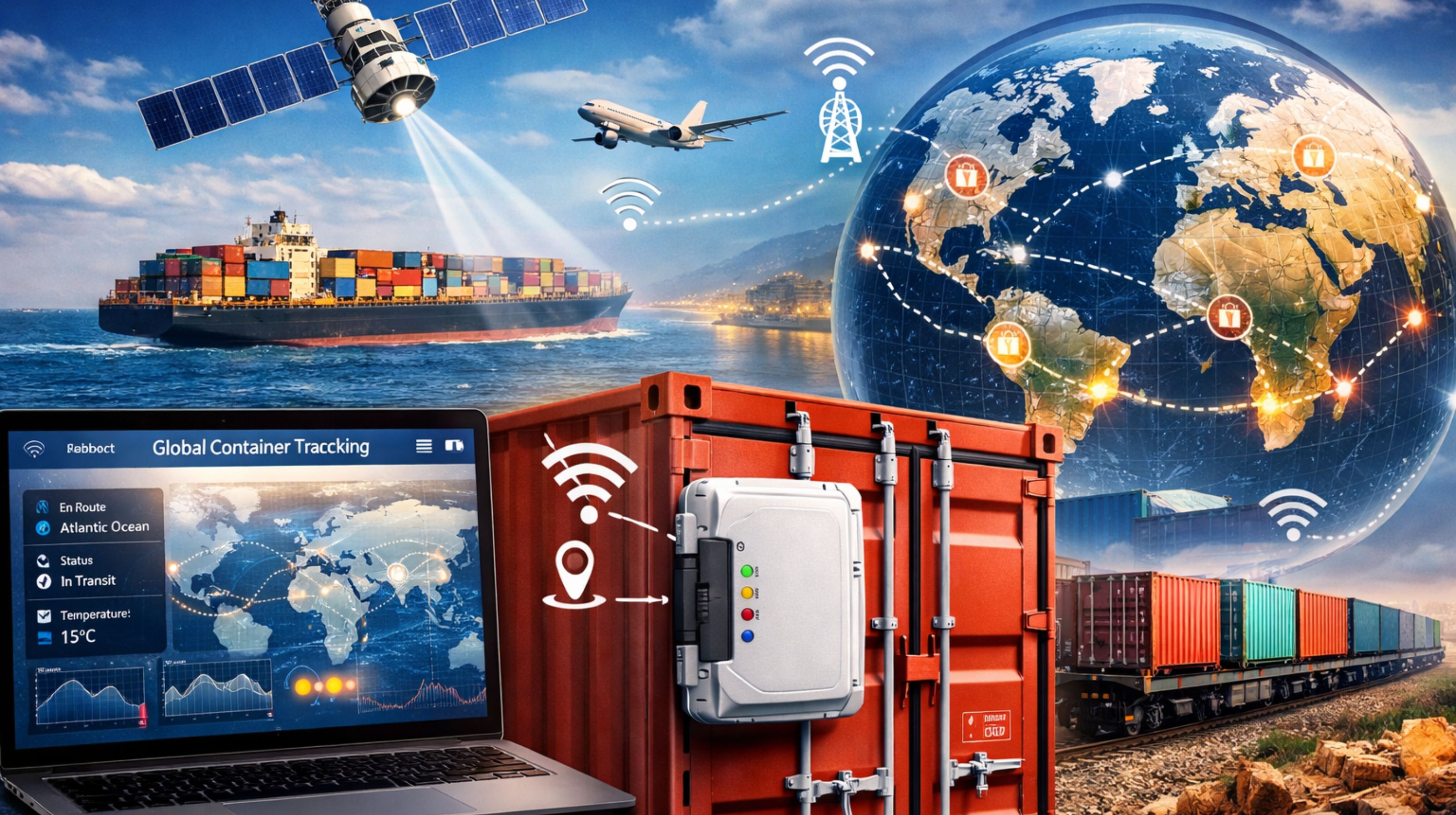
Cargo Container GPS Tracking Failure in Global Shipping
When a cargo container GPS tracking solution fails worldwide, it's rarely a simple outage. The real failure is a cascade of delayed alerts, mismatched customs data, and invisible asset drift that erodes trust in your entire supply chain visibility. You notice it first when a container's last known location is a port it left three days ago, with no updates across an ocean.
What Global Container Tracking Failure Actually Means
In live operations, failure means your system shows a container as stationary at a transshipment hub while it's actually being loaded onto a feeder vessel. That creates a critical gap in your chain of custody documentation. This isn't just a missed ping; it's a breakdown in the real-time audit trail that logistics managers and customs brokers rely on for release. The non-obvious detail—and it's a big one—is that many container trackers use power-saving modes that can stretch reporting intervals to 24 hours during sea transit. That basically makes them useless for real-time diversion alerts.
Reality Check Under Global Scale and Harsh Conditions
At scale across hundreds of containers, the weak point is almost never the individual device. It's the aggregation layer. Under real load, delayed data from multiple cellular networks and satellite providers creates this jitter effect in your real-time vehicle tracking dashboard, where some containers update while adjacent ones appear frozen. The common misunderstanding is blaming the hardware, when the real escalation is usually caused by an overloaded middleware that can't normalize time stamps from different global carriers. That's what leads to false "idle" flags for assets that are actually moving.
Wrong Assumptions That Escalate Container Tracking Risk
The most costly assumption? Believing a "worldwide" SIM or satellite plan guarantees coverage. In reality, local carrier agreements at ports can change without notice, leaving containers in a dead zone just as they are most critical for customs clearance. Another failure pattern is relying solely on GPS without supplemental motion sensors. So a container stolen from a secured yard but not immediately moved shows no alert. That creates a compliance gap where your system shows all assets accounted for, while a physical audit reveals a mismatch. It's a nasty surprise.
Decision Help: Fix, Reconfigure, or Redesign Your Tracking
The decision boundary is usually clear: if failures are isolated to specific trade lanes or ports, you can probably tune reporting intervals and reconfigure geofence logic. However, if you're experiencing systemic data lags, audit mismatches, and lost containers across multiple regions, internal fixes are almost certainly insufficient. That's the point where a redesign of the tracking architecture—or a complete platform replacement—becomes necessary to handle the workflow dependencies of global shipping. You really need a robust IoT asset monitoring framework, not just a collection of standalone devices, to bridge this gap.
FAQ
q How accurate is GPS tracking for shipping containers at sea?
a Accuracy degrades significantly at sea. Antenna placement inside metal containers and reliance on less frequent satellite pings often cause position errors over 100 meters, plus delayed updates.
q What is the biggest risk of using low-cost container trackers?
a The biggest risk is data integrity failure during customs audits. Inconsistent location logs or missing timestamps can lead directly to delays, fines, and suspicions of tampering.
q At what scale do most container tracking systems start to fail?
a Most systems show real strain at around 500-1000 actively tracked containers. That's where data latency and alert flooding overwhelm basic dashboards, and you need to move to dedicated fleet management software.
q How do I know if I need a new system or just better devices?
a If you're spending more time manually reconciling reports, or getting more alerts about devices going offline than about actual cargo movement, the problem is systemic. At that point, evaluating a dedicated gps controller platform that handles data aggregation and compliance reporting is the logical next step.


Comments
Post a Comment