Autonomous Vehicle GPS Tracking Integration Failure Under Real Fleet Load
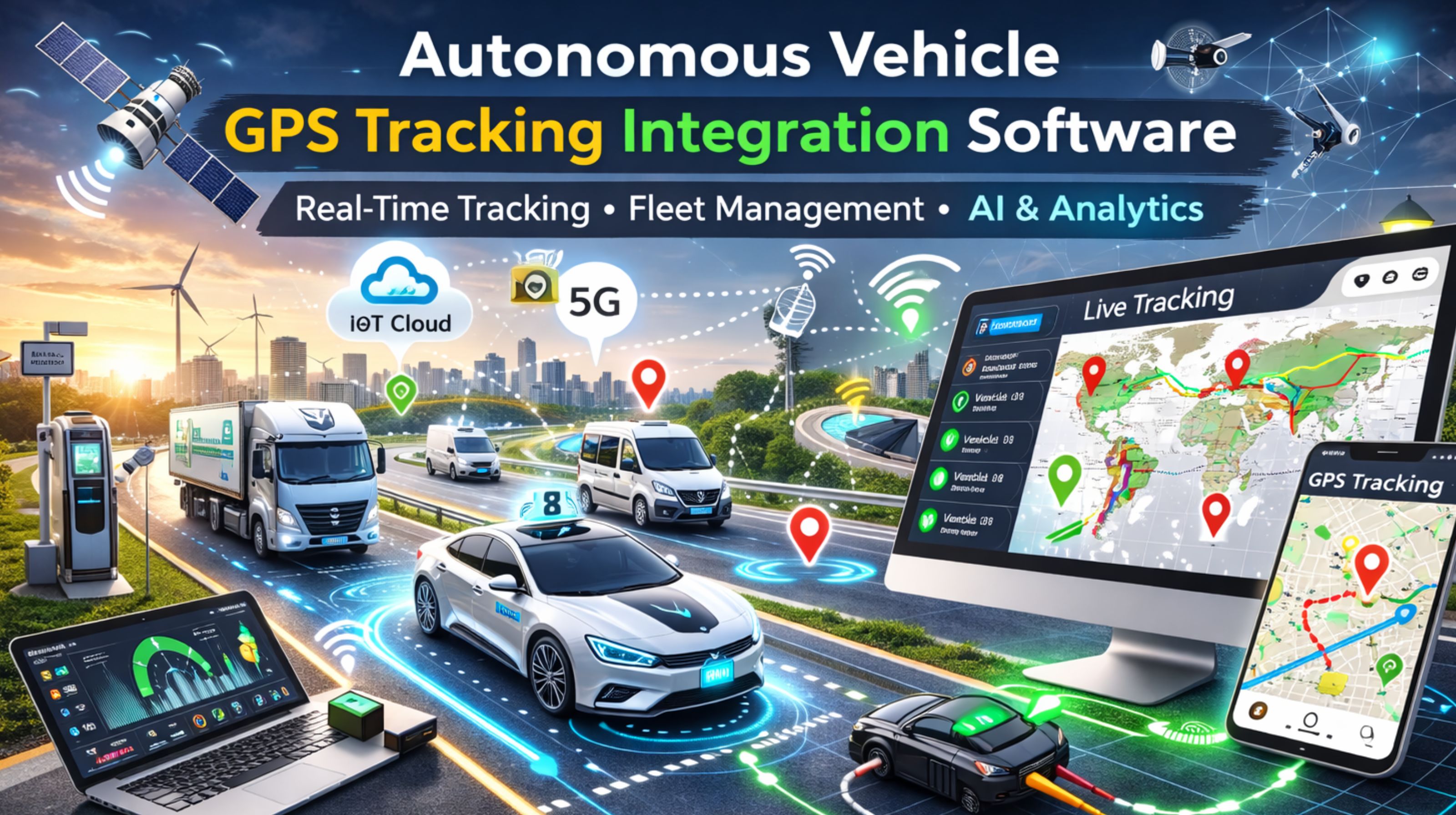
Autonomous Vehicle GPS Tracking Integration Failure Under Real Fleet Load
When autonomous vehicle GPS tracking integration software fails, it's not a simple data gap—it's a cascade of signal jitter, delayed geofence breaches, and audit mismatches that expose a fundamental design flaw in the controller stack. Honestly, this isn't about a lost ping; it's about losing trust in the entire operational data layer. You find out during a compliance audit, where the system reports a vehicle as idle while its autonomous stack logs show it was actively navigating the whole time.
What Autonomous GPS Integration Failure Actually Means
In live fleet tracking, integration failure means your software layer receives corrupted or delayed positional data from the autonomous vehicle's primary controller. That creates two conflicting truths. You'll see the vehicle icon stationary on your map while its internal logs show it completing a route. It's a direct result of the GPS middleware failing to reconcile high-frequency sensor data with standard reporting intervals. This mismatch isn't just a display error; it voids the validity of fuel performance monitoring and duty cycle reports, which makes your operational cost analysis basically meaningless.
The Reality Under Scale and Sensor Load
With more than a dozen vehicles, the problem shifts from sporadic to systemic. The integration layer just gets saturated. It starts prioritizing data from the most recent sensor bursts and dropping older telemetry packets, which manifests as those weird "jumps" on the live map. In reality, the autonomous vehicle traveled smoothly, but your tracking software shows erratic movement because the GPS timestamp data gets queued behind LiDAR and camera processing threads. This creates a critical compliance gap—reported routes don't match regulated geofenced corridors, which is exactly what invites audit flags.
Common Failure Patterns and Wrong Assumptions
The most costly assumption? Thinking the autonomous system's internal GPS is sufficient for fleet management. It's not. That GPS feeds the navigation stack, not your compliance and asset tracking workflow. The integration software has to pull a secondary, time-synced stream, which is often completely overlooked during procurement. Another failure pattern is ignoring network latency in cellular backhaul. A 3-second delay in a dense urban canyon means a geofence exit alert arrives after the vehicle has already traveled 50 meters into a restricted zone. That renders your geofencing alerts useless for any real-time intervention.
Decision Boundary: Tune, Redesign, or Replace
The decision lock is pretty clear. If failures are sporadic and tied to specific locations, like tunnels, you might get by tuning the integration's data buffering and timeout settings. However, if you're experiencing systematic audit mismatches, idle time inaccuracies, or data loss across 20% of the fleet daily, then the integration architecture itself is insufficient. That's the boundary where internal fixes just stop working. At that scale, you need a redesign that treats the autonomous vehicle as a primary data source, not a passive tracker. That often requires a dedicated middleware layer or moving to a purpose-built fleet management software platform with native AV SDK support. A gps controller platform built for this paradigm handles the signal fusion natively.
FAQ
q: What causes autonomous vehicle GPS tracking to show wrong location?
a: The most common cause is the integration software failing to fuse the vehicle's high-frequency sensor GPS with the cellular telematics stream. That causes timestamp conflicts, which manifest as map jumps or stale positions. It happens especially after losing and regaining signal in urban canyons.
q: How bad is GPS delay for autonomous fleet safety?
a: It's critical. A delay of just 2-3 seconds in the tracking feed means safety geofence alerts for restricted zones or depot perimeters arrive too late for remote operators to issue a stop command. That creates a direct liability gap.
q: Can you fix AV tracking data errors with a software update?
a: Only if the error is in the application logic, like poor buffering. If the error stems from a fundamental mismatch in data protocols between the autonomous stack and the telematics unit, a software update won't fix it. You'd need a hardware-in-the-loop redesign or a gateway device.
q: When should you replace your autonomous vehicle tracking integration?
a: Replace it when audit reports consistently show mileage or idle time mismatches exceeding 5%, or when alert latency starts causing operational incidents. That signals the architecture can't handle the data density and low-latency demands of a scaled autonomous fleet.


Comments
Post a Comment