Wireless GPS Tracker Signal Loss in India 2026 Fleet Operations
Wireless GPS Tracker Signal Loss in India 2026 Fleet Operations
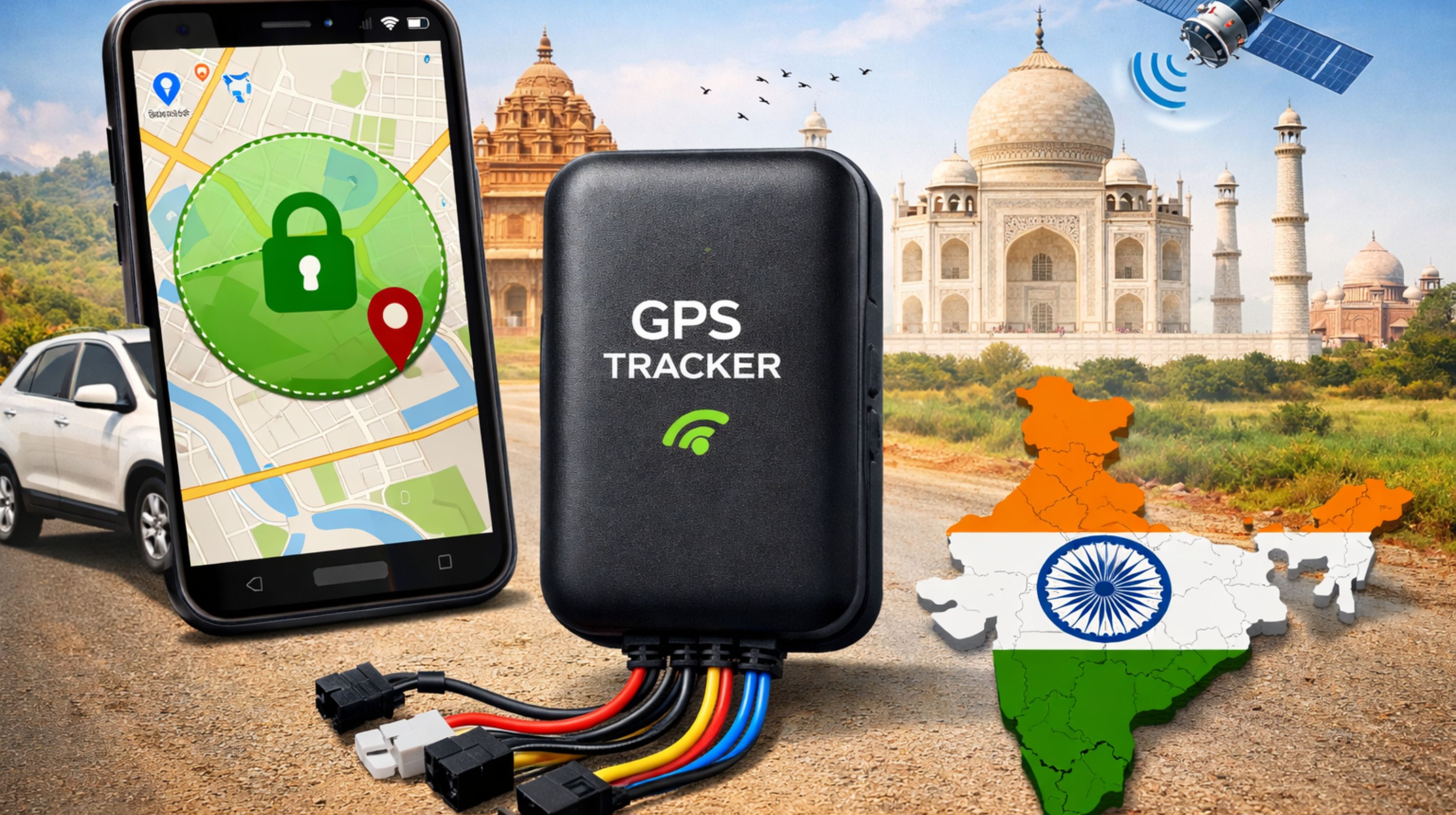
When your wireless GPS tracker for a car in India stops reporting, it's not just a lost dot on a map. It's a driver idling off-route, a missed delivery window, and an audit trail gone cold. And in my experience, the failure is almost always a cascading network and device mismatch—rarely just a simple dead battery.
What GPS Tracker Signal Loss Actually Means on the Road
In practice, signal loss means your real-time vehicle tracking dashboard shows stale data while the vehicle is moving. That creates a dangerous lag in situational awareness. I've seen it happen: the tracker reports a stable location in an industrial area long after the vehicle has entered a cellular dead zone on a highway. It completely masks unauthorized detours.
The 2026 Reality Check: Scale Breaks Wireless Assumptions
Under the load of a 50+ vehicle fleet, intermittent signal drops don't just happen—they create a compounding data error problem that manual checks can't solve. Here's the non-obvious detail: most consumer-grade trackers use aggressive power-saving modes. They prioritize battery life over reporting consistency, which means they'll miss critical events like harsh braking or geofence exits during those brief network hops.
Common Mistakes That Escalate Tracking Failures
A major misunderstanding is blaming "poor network coverage" and just buying more SIMs. That ignores the device's core inability to buffer and retransmit data during outages. You end up with escalated costs and the same frustrating gaps. The real failure pattern? It's a tracker with insufficient onboard memory losing trip logs. That's what creates irresolvable disputes in fuel performance and duty time audits.
Decision Help: When to Tune, Reconfigure, or Replace
The boundary is usually clear. If signal loss correlates with specific vehicle types, routes, or times, then reconfiguration of reporting intervals might work. But if the loss is random, affects compliance reporting, or forces you into manual data reconciliation, then internal fixes are just insufficient. At that point, you need a platform-level redesign with professional-grade hardware that has redundant communication paths. That's the context where a robust gps controller platform actually manages the failure gracefully.
FAQ
q: How long can a wireless GPS tracker work without signal?
a: It really depends on internal memory. Low-end devices might store only a few hours of location pings before overwriting old data—that's permanent data loss. Professional units, though, can often buffer days of detailed logs to transmit once the signal returns.
q: Why does my GPS tracker show wrong location in India?
a: This is often not a GPS error. It's usually a cellular tower routing delay, where the network incorrectly assigns a location based on the serving tower instead of the actual GPS fix. This is especially common right after a long signal loss, when the device is re-registering on the network.
q: Can too many trackers in one area cause problems?
a: Yes, absolutely. At scale, hundreds of devices in a single depot can experience network congestion. It causes reporting delays and failed geofencing alerts because they all try to communicate at the same moment, like when ignition turns on.
q: When should I replace my fleet's wireless trackers?
a: Replace them when signal loss creates consistent workflow breakdowns—think daily manual checks—or triggers compliance gaps in mandated reporting. Basically, when the cost of missed data clearly exceeds the cost of investing in a system designed for actual fleet-grade reliability.


Comments
Post a Comment