Why Your Cold Chain Temperature Breach Alert Protocol Is Failing
Why Your Cold Chain Temperature Breach Alert Protocol Is Failing
If you're managing a fleet for pharma or food logistics, a temperature breach is a real crisis. It's not just a data point. It's a product loss, a regulatory nightmare, and a hit to customer trust. But here's the thing—most alert systems fail when you need them most. They're built for a perfect world, not for the messy reality of trucks on the road.
What Cold Chain Temperature Breach Protocols Actually Mean
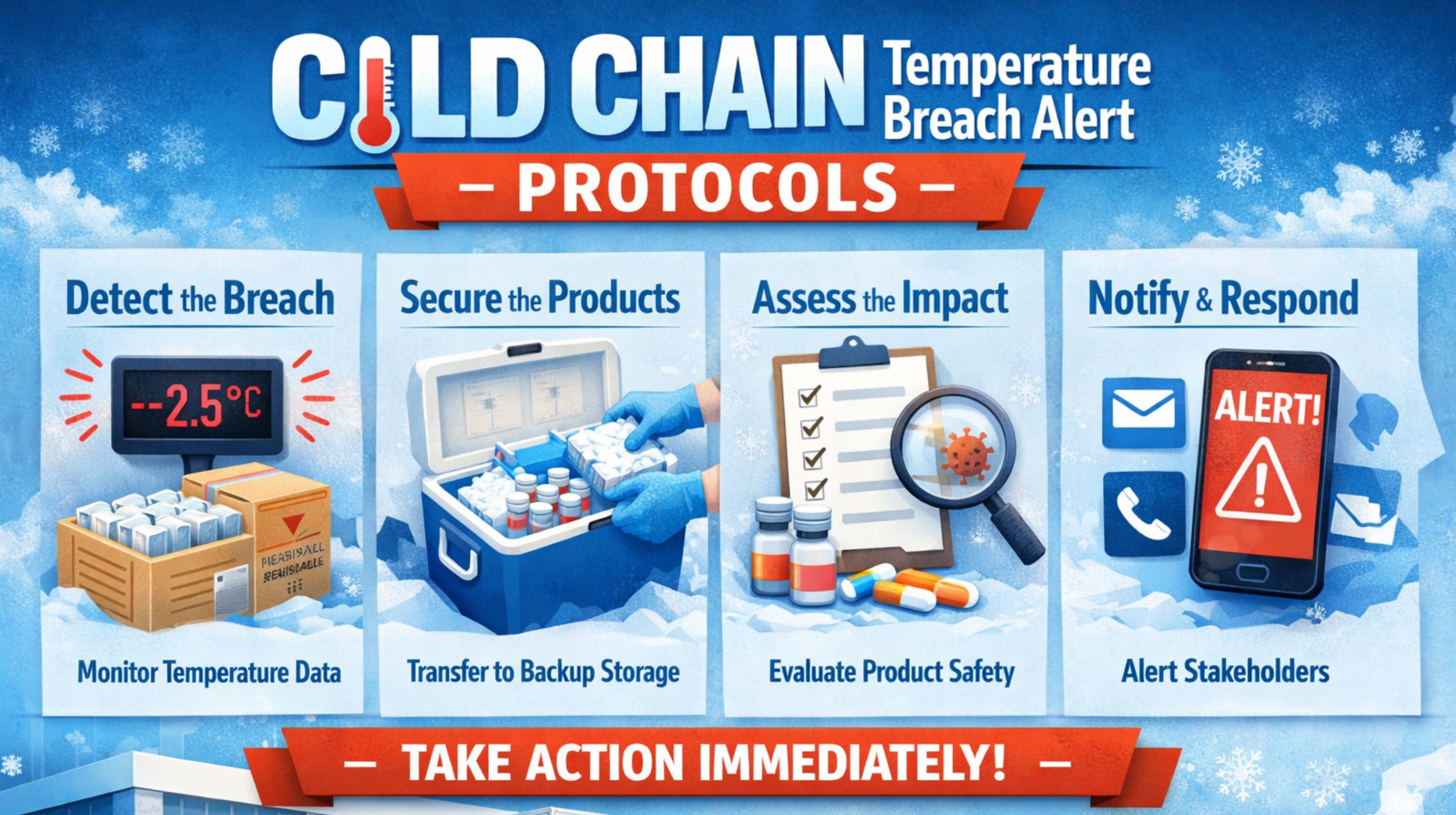
In practice, a breach protocol is the entire chain of events from the sensor to someone actually doing something. It kicks off when a sensor in the reefer reads a temperature outside the safe range. Then it's supposed to trigger notifications, escalations, and documented actions to save the product and stay compliant. That's the theory, anyway.
How Breach Alerts Behave on Real Routes and Vehicles
Out on the road, things break down. You get delayed alerts in cellular dead zones—sometimes a 15-minute lag between the actual breach and the ping hitting your screen. False alarms go off every time a door opens during loading. Meanwhile, a real breach can happen overnight when the engine's off, and if your telematics unit has no backup battery, you'll never know. And those gaps in the temperature log? They're a gift to any auditor looking to fail you.
The Critical Mistake That Dooms Most Compliance Efforts
The biggest error is using one blanket alert threshold for everything. Vaccines, frozen goods, fresh produce—they all have completely different tolerances. A protocol that treats a 2°C shift for vaccines the same as one for frozen peas is doomed. You'll either drown in false alerts or miss a critical failure. And assuming a driver will notice and act on a cab alert during a hectic city delivery? That's just wishful thinking.
Building a Tiered Response Protocol That Works
The teams that get this right build a tiered system. A minor, short-lived excursion might be a Tier 1—just the dispatcher gets a ping. A major, prolonged breach becomes a Tier 3, escalating to the fleet manager, QA, and even the client. Making this work means pulling together data from IoT asset monitoring and geofencing alerts to know if the truck is at a depot, en route, or on-site. For sorting out multi-vehicle coordination and hardware fail-safes, that's where you need the infrastructure a platform like gps controller provides.
FAQ
What is the typical response time for a temperature breach alert?
You want acknowledgment in under 5 minutes and a plan to correct it within 30. That's the benchmark to meet most regulations and limit the damage.
How do you prevent alert fatigue for drivers and dispatchers?
Use smart, conditional alerts. Suppress the door-open alarms during scheduled stops at approved docks, for instance. And tier the alerts by severity—don't blast every minor blip to the entire team.
What's the biggest gap in most temperature monitoring systems?
Power loss. If the trailer or sensor loses power and there's no backup battery, your temperature history has a hole in it. That's an automatic compliance failure. You need independent, battery-backed loggers.
Can you automate corrective actions based on alerts?
Somewhat. You can auto-generate service tickets for the reefer unit or push instructions to the driver's ELD. But for a major breach, you still need a human in the loop to make the call on quarantining product.


Comments
Post a Comment