Standalone GPS Tracker Failure for Growing SME Fleets in India
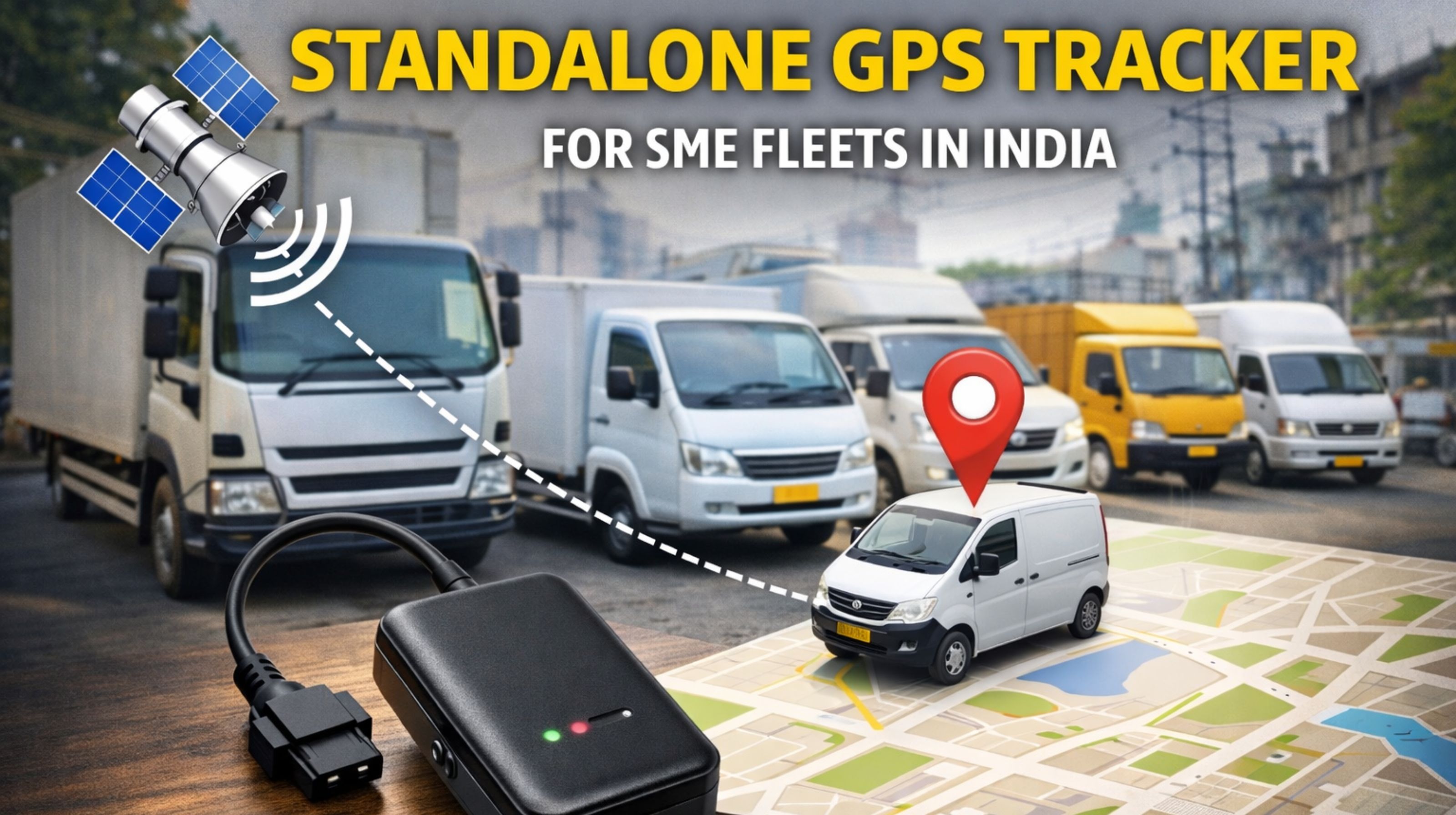
Standalone GPS Tracker Failure for Growing SME Fleets in India
So your standalone GPS tracker works fine for five vehicles, but starts failing at twenty. The problem usually isn't the device itself—it's that isolated data stream. You can see the location dots on a map, sure. But you'll miss the delayed geofence alerts and the inaccurate engine idling reports, the kind of stuff that quietly drains profit and then hits you during an audit.
What Standalone GPS Tracking Really Means for Fleet Operations
In practice, a standalone tracker is basically a data island. It logs location to a SIM card or a very basic cloud portal, but that data doesn't talk to anything else—not your driver schedules, not your maintenance logs. A lot of people think a live map means they have operational control, but that misunderstanding can really escalate compliance risks when your reports just don't match the physical logs.
The Reality of Scaling Beyond 10-15 Vehicles in India
Under real operational load, things like network latency and signal jitter—especially in urban areas or on certain highways—start causing data batch delays. You might pull up a vehicle's route at noon only to find its 9 AM stop is completely missing. It creates a real workflow dependency nightmare for dispatch. This scale constraint is exactly where standalone units show their limit; they can report, but they can't integrate.
Critical Failure Patterns and Compliance Risks
The primary risk is audit mismatch. A standalone device might show a truck as stationary, but without integrated data from a fuel sensor or proper IoT asset monitoring context, you can't actually prove the engine was off. That gap becomes a straight-up compliance failure when you're reconciling hours or emissions. It's a non-obvious detail that turns what should be a tracking tool into a real liability.
Decision Boundary: Reconfigure, Integrate, or Replace
If your alerts are consistently delayed by more than 10 minutes, or if manually reconciling reports takes hours every week, internal fixes probably won't cut it. At that point, the clear choice is to move to a platform that unifies the data. A proper gps controller platform provides that necessary integration layer, turning raw location points into actionable fleet intelligence before the compliance deadline ever hits.
FAQ
q What is a standalone GPS tracker?
a It's a self-contained device that records and transmits location data, but it typically lacks real-time integration with other fleet management systems or software. It's kind of on its own.
q Why do standalone trackers fail for growing fleets?
a They create data silos. As you add more vehicles, manually compiling all that data leads to errors, delays, and you lose the ability to automate alerts or generate useful custom reports. It ends up crippling your operational response.
q What is the biggest compliance risk with standalone units?
a Data integrity gaps. When your logs for location, engine hours, and driver activity are all disconnected, they often conflict during an audit. That creates serious exposure because the tracker's timeline simply doesn't match your other mandatory records.
q When should an SME replace standalone trackers?
a When the cost of manual data reconciliation and missed alerts starts to exceed the investment in an integrated system. For most operations, that tipping point happens somewhere between 15-20 vehicles, where a unified fleet management software becomes essential.


Comments
Post a Comment