OBD GPS Tracker Data Mismatch and Fleet Compliance Failure in India
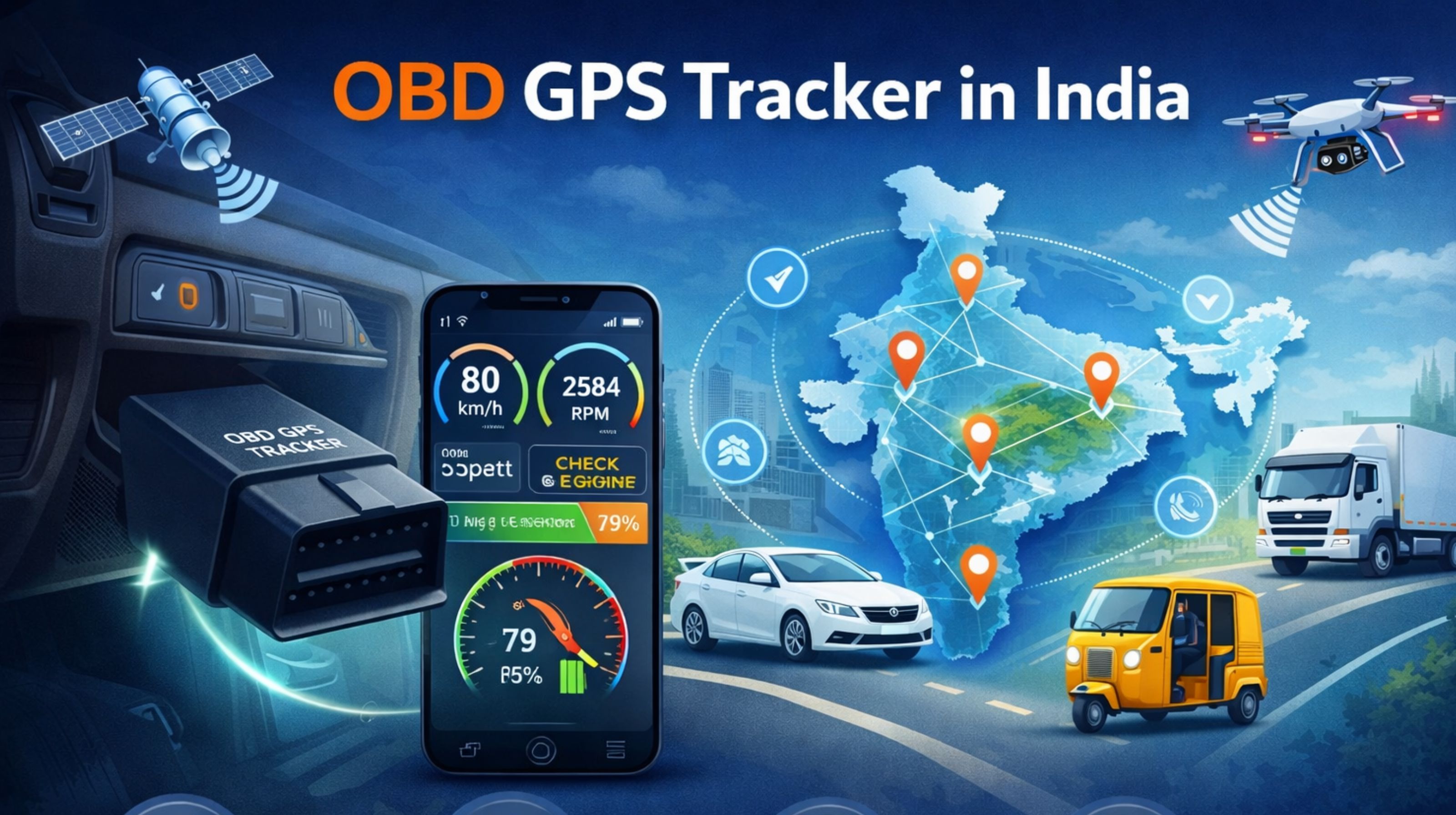
OBD GPS Tracker Data Mismatch and Fleet Compliance Failure in India
When your OBD GPS tracker in India reports the engine is on while the vehicle is just sitting there, parked, you're looking at a critical data mismatch. It completely invalidates your fuel and idle reports, and that directly threatens your compliance audits. It's not a minor glitch.
What OBD GPS Tracker Signal Loss Means for Indian Fleets
Signal loss here isn't just a lost dot on a map. It's the OBD port failing to properly handshake with the vehicle's computer (ECU). When that happens, the tracker often defaults to its last known GPS state, but its internal timers keep counting engine hours anyway. This is a surprisingly common failure, especially with India's frequent power fluctuations at depots that can reset these connections.
The Reality of OBD Data Under Indian Road and Load Conditions
On those congested Indian routes, with constant stop-start cycles, cheaper OBD trackers just can't keep up. They can't process the rapid bursts of data from the vehicle's CAN bus fast enough, which leads to delayed or completely missed ignition events. We've seen cases where the reported daily mileage is off by 30% compared to the actual odometer. That cripples any attempt at accurate fuel performance monitoring and throws maintenance scheduling out the window.
Common OBD Installation Mistakes That Escalate to Full System Failure
The biggest mistake is assuming all OBD-II ports are the same. They're not. In many vehicles sold in India, manufacturers restrict access to certain diagnostic data (Parameter IDs). So your tracker might get speed and location just fine, but it never receives the true ignition status. That makes all your engine-related analytics useless and creates a massive, hidden mismatch that will surface during an audit.
Decision Help: When to Reconfigure Your OBD Fleet Setup Versus Replace
The line is usually vehicle model consistency. If more than 20% of your fleet consists of models where the OBD data is known to be inconsistent, then internal fixes like firmware updates are just a band-aid. You need to redesign the tracking layer. For critical vehicles, that might mean moving to hardwired GPS tracking devices that bypass the OBD port entirely for reliable engine data. This is where checking a platform's compatibility list becomes absolutely crucial before you buy.
FAQ
q Why does my OBD tracker show wrong engine-off time in India?
a It's often a voltage read error. Indian vehicle electrical systems can have high variance; the tracker sometimes misinterprets accessory mode (key turned but engine off) as the engine running. That corrupts all your idle time reports.
q Can heat in Indian summers damage an OBD GPS tracker?
a Yes, consistently. If cabin temperatures stay above 50°C for prolonged periods, it degrades the tracker's internal battery and even the solder joints. That leads to premature failure and data gaps, often right in the middle of peak afternoon operations.
q How many vehicles can an OBD tracking system handle before data delays occur?
a The bottleneck is usually server polling, not the devices themselves. Once you get past 150-200 vehicles, if your system is polling every 30 seconds for real-time tracking, network latency and server processing start causing noticeable data lag. This can make real-time vehicle tracking unreliable for live dispatch decisions.
q Should I replace all my OBD trackers if some are faulty?
a Not necessarily. First, segment the problem by vehicle make and model. If the failures cluster around specific brands, just replace those units. You might consider a hybrid approach—using OBD for basic telematics and adding supplemental sensors for mission-critical data on problem vehicles. A robust fleet management software platform should support this kind of mixed setup.


Comments
Post a Comment