Micro Asset GPS Tracker Failure in India Under Real Fleet Load
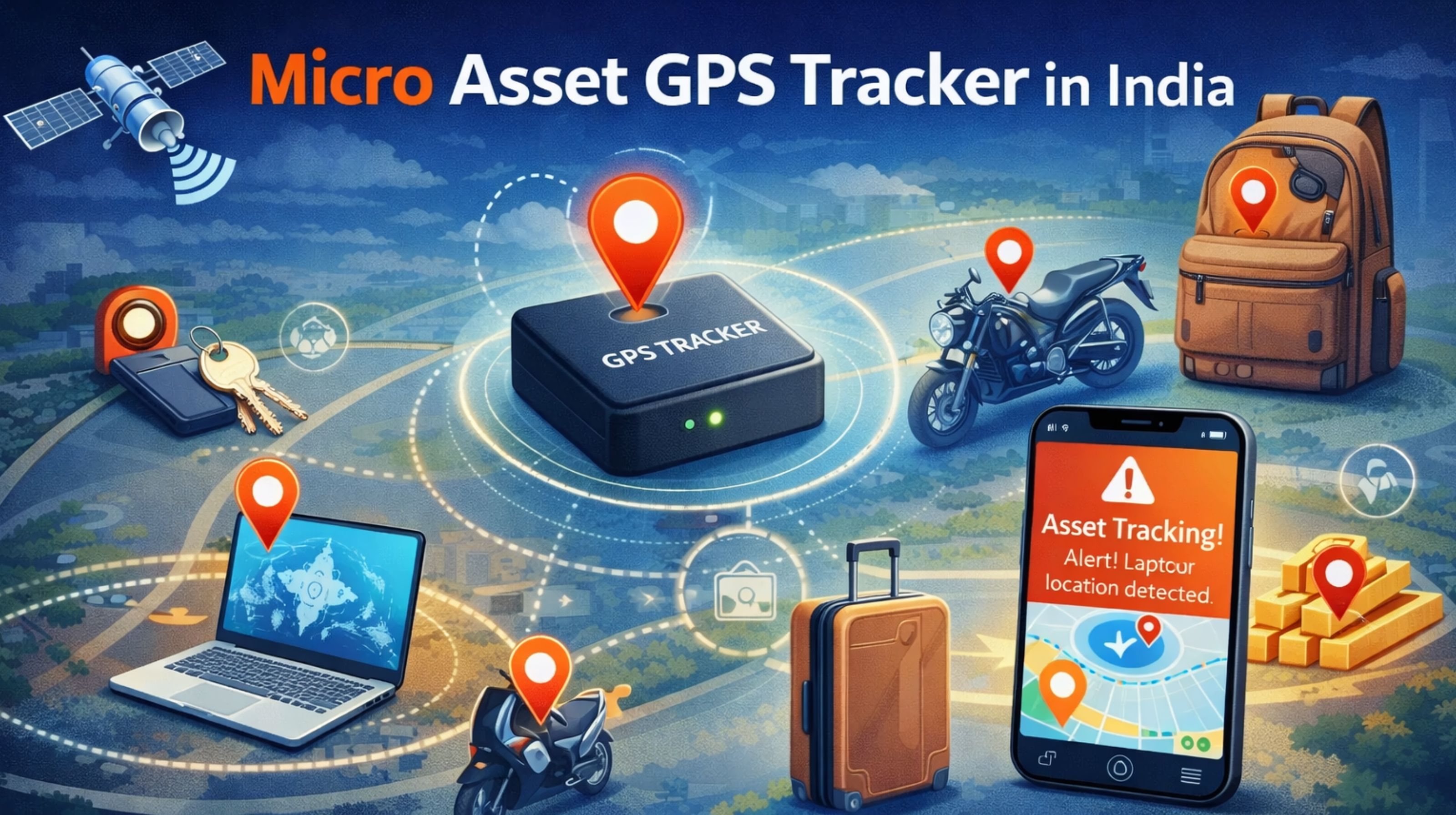
Micro Asset GPS Tracker Failure in India Under Real Fleet Load
So you've deployed a micro asset GPS tracker across India. What you often end up with is silent signal loss and geofence alerts that arrive late—especially when you try to scale beyond a few dozen assets. It creates this critical data gap right in the middle of your IoT asset monitoring workflow, and you might not even notice until it's too late.
What Micro Asset Tracking Failure Actually Means
In live operations, failure isn't just a lost dot on a map. It's a delayed alert for a high-value medical container that's already left a Mumbai warehouse. Or a refrigeration unit that shows as idle in your system when it's actually in transit, causing an audit mismatch that your compliance report won't flag until days later. That's the real cost.
The Reality of Indian Networks at Vehicle Scale
Under real load, the non-obvious issue is network handoff jitter. You know, when a device jumps between Jio, Airtel, and Vi towers. That gets compounded by the tracker's own power-saving cycles. The result is routing delays where location pings arrive out of sequence. So your real-time dashboard ends up showing yesterday's position. It's a critical flaw that breaks any real-time vehicle tracking promise you're relying on.
Common Mistakes That Escalate Micro Tracker Risk
The biggest misunderstanding? Assuming all GPS trackers handle dense urban canyons and rural dead zones the same way. That leads teams to just blame "weak signals." But often, the real failure is the device's own inability to buffer and re-transmit data during a network dropout. That's what causes permanent data loss—the signal was fine, the device just couldn't cope.
Decision Help: Tune, Reconfigure, or Replace Your Tracker
The boundary here is pretty clear. If you're manually correcting location data for more than 5% of assets daily, or if you're facing compliance gaps in state-level transport logs, then internal fixes usually fail. At that point, the decision shifts. It's not about tuning settings anymore; it's about a platform-level redesign or replacement. That's the context where evaluating a dedicated gps controller becomes a technical necessity, not just some sales promotion.
FAQ
q What is the best GPS tracker for small assets in India?
a The "best" tracker is the one that fails less under load. You should prioritize devices with multi-network SIMs and configurable reporting intervals to handle India's patchy cellular coverage. Don't just go for the cheapest unit.
q Why does my asset tracker show delayed location in cities?
a Signal reflection in urban canyons causes GPS drift, sure. But the real risk is the tracker's firmware prioritizing battery life over data integrity. That's what leads to stale data popping up in your fleet management software.
q How many micro GPS trackers can one network handle?
a Scale tends to break around 50-70 assets per single network gateway, mostly due to cellular data congestion. Go beyond that, and you'll see packet loss. You'll need a distributed architecture then, not just more devices.
q When should I replace my current micro asset trackers?
a Replace them when alert delays start causing real operational loss or audit failures. Basically, when the cost of manually correcting data exceeds the cost of getting a system actually designed for Indian operational scale.


Comments
Post a Comment