How Accurate Are Fleet Fuel Theft Detection Algorithms in Real Operations?
How Accurate Are Fleet Fuel Theft Detection Algorithms in Real Operations?
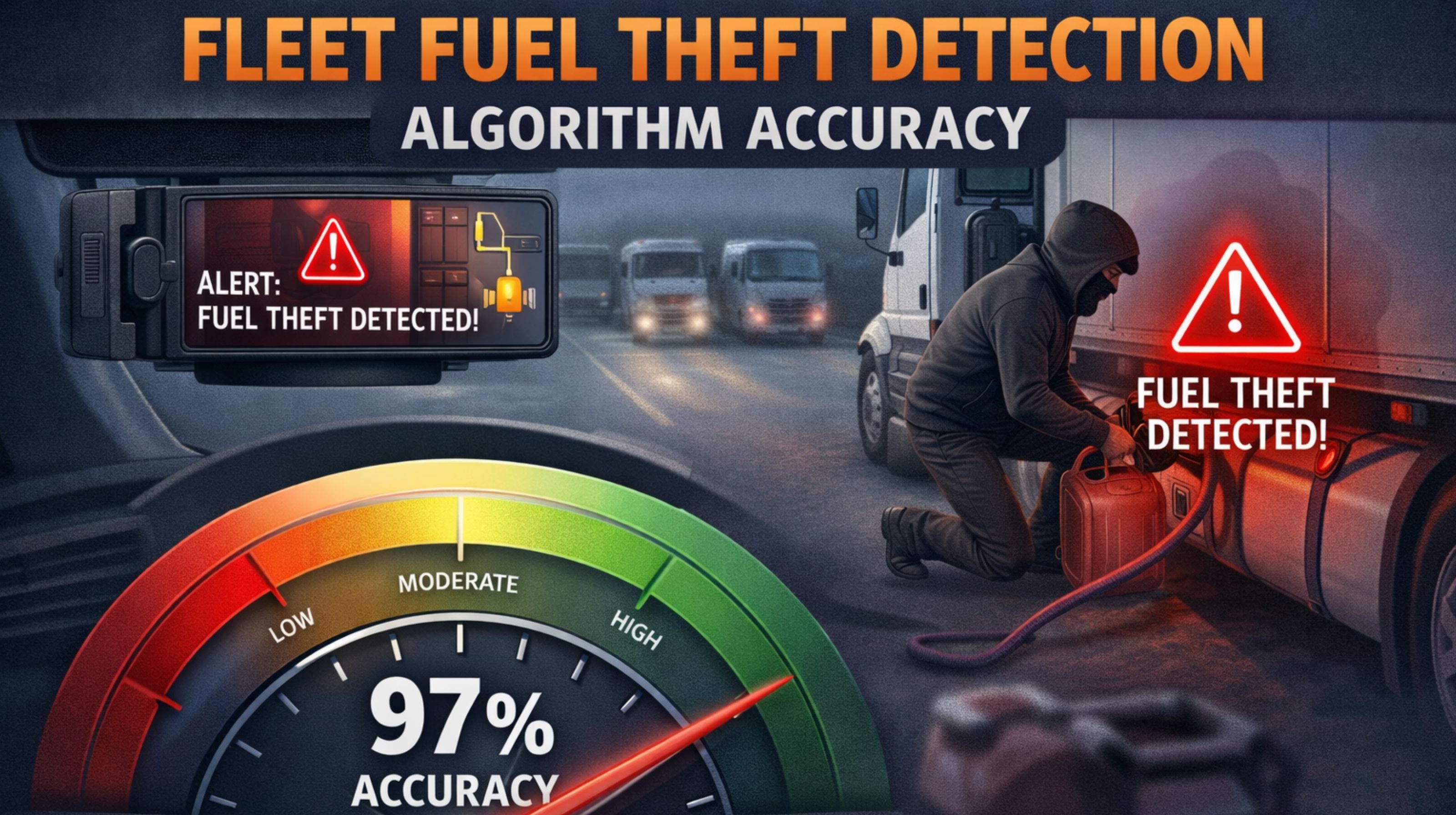
You're told to rely on fuel theft detection algorithms to protect a huge cost center. But the accuracy they promise? It often runs straight into the messy reality of vehicle sensors, GPS drift, and how drivers actually behave.
What Fuel Theft Detection Actually Means for Fleets
In practice, it's not one magic tool. It's a series of logic rules that try to make sense of data from fuel level sensors, GPS location, ignition status, and timestamps. The goal is to flag anomalies, like a sudden fuel drop while the truck is supposed to be parked.
The Reality of Detection Accuracy on Real Routes
On actual routes, accuracy takes hits from all sides. Sensor calibration drifts over time. A vehicle parked on a sloped lot gives a false reading. There's often a delay between a GPS ping and the sensor data timestamp, which can create phantom "thefts" during a completely normal refueling stop.
Common Mistakes and False Alert Risks
The biggest risk isn't missing a theft—it's alert fatigue. After the tenth false positive from sensor noise or fuel contracting in the cold, managers start ignoring all alerts. A critical mistake is thinking the algorithm "knows" theft happened. It doesn't. It just spots an odd data pattern that needs a human to check it out.
How to Decide If Your Detection Is Accurate Enough
Forget perfect accuracy. It's sufficient when the system gives you a reliable, auditable event log—time, location, sensor values—so a person can quickly verify or dismiss an alert. To get that level of fleet visibility and tune those complex alert thresholds, you usually need specialized fleet management software to finally separate the real signal from the noise.
FAQ
What is the biggest factor hurting fuel theft algorithm accuracy?
The primary culprit is fuel level sensor inaccuracy. Those things can drift by 5-10% over time, so telling normal sensor error apart from a genuine, sudden fuel loss becomes a real challenge.
Can GPS tracking alone detect fuel theft?
No. GPS gives you location context, but it can't measure fuel. You have to integrate it with data from an onboard diagnostic port or a dedicated fuel level sensor to get anything close to meaningful accuracy.
How often do these systems generate false alerts?
A poorly calibrated system? It can spit out multiple false alerts per vehicle every week. Common triggers are fuel sloshing during a sharp turn or overnight temperature drops that contract the fuel volume.
What's the best way to improve detection accuracy?
Combine your sensor data with geofencing alerts for known refueling zones. Then, establish a baseline of normal behavior for each specific vehicle. That's how you start filtering out the routine sensor noise.


Comments
Post a Comment