Hidden Costs and Failure Points in India's Fleet GPS System Pricing
Hidden Costs and Failure Points in India's Fleet GPS System Pricing
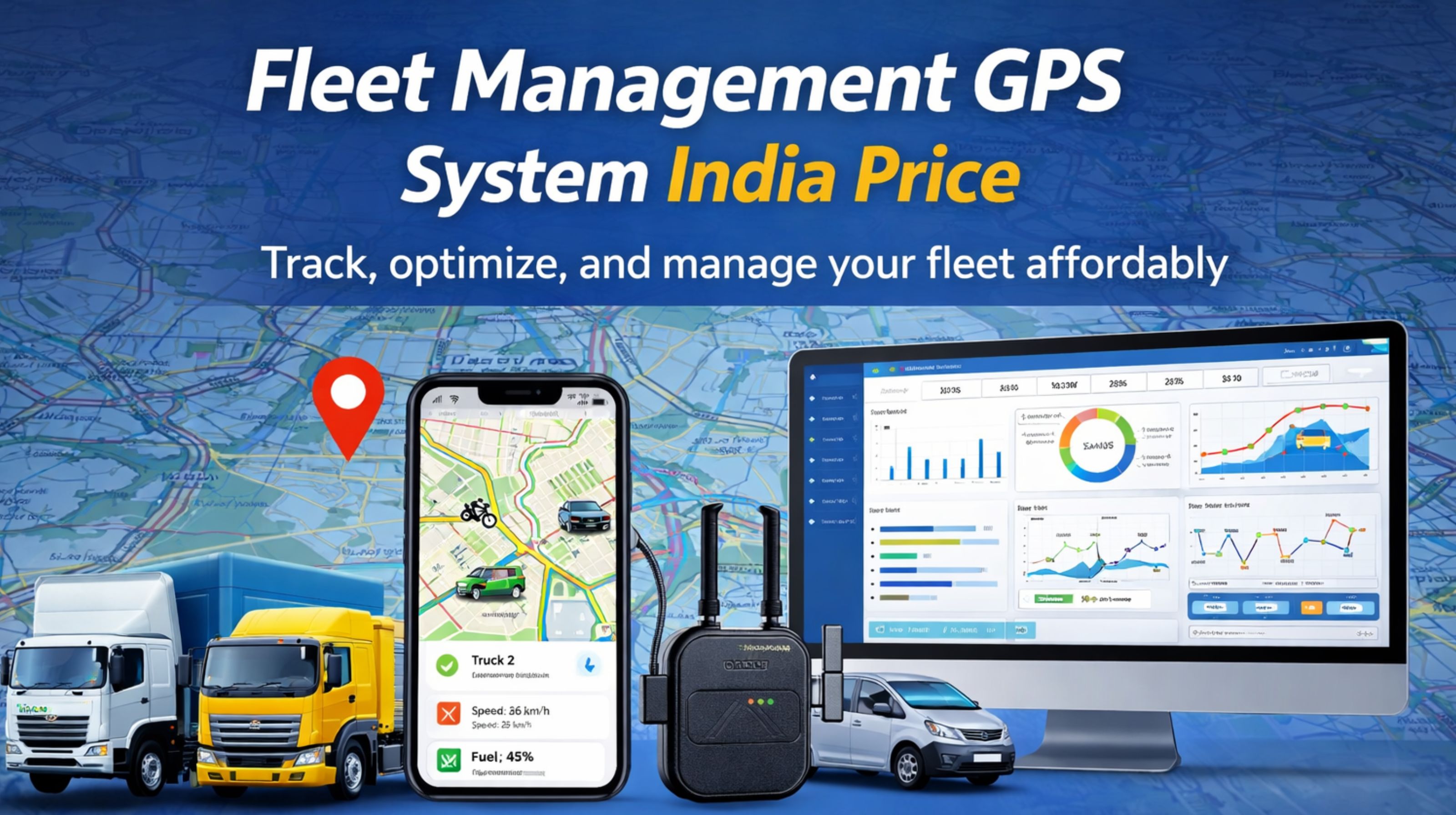
When you look at a fleet management GPS system India price, that sticker cost is really just the start. The real expense? It shows up later, in signal blackouts, compliance reports that come too late, and hardware that gives up during monsoon humidity. What was a budget line item can turn into a full-blown operational headache pretty fast.
What Fleet GPS Pricing Actually Covers in India
You need to start by separating the hardware quote from the ongoing data and service fee. It's a basic distinction, but a lot of operators miss it—until their first audit happens and trip logs are missing. One thing you notice in the real world is signal jitter in places like Mumbai or Delhi. Cheaper devices there often default to less accurate network-based location when GPS is weak, which just creates gaps in the route data you can't bill for. Then there's the non-obvious stuff, like the SIM card's APN configuration and its data packet size. That directly controls how often the device checks in, and it'll hit your monthly cellular bill.
Where Low-Cost GPS Tracking Fails Under Indian Conditions
The reality when you scale to, say, 50 vehicles is that cut-rate hardware often doesn't have enough memory buffer. So during high-density travel—think Chennai's port logistics corridors—it starts dropping location pings. That makes real-time vehicle tracking basically unreliable. Another boundary condition is extreme temperature. A device rated for 85°C might just shut down in a parked truck cabin in Rajasthan. Then you've got a data blackout until the driver finds it and does a manual reset. It's a surprisingly common point of failure.
Common Pricing Mistakes That Escalate Fleet Risk
A major misunderstanding is assuming all data plans are the same. That assumption leads to escalated costs when a provider starts charging per-megabyte for things like over-the-air configuration updates or pulling down high-resolution map tiles. This often goes hand-in-hand with a compliance gap, where the system just can't generate the required state-specific fuel tax reports or driver logs. Now you're stuck with manual reconciliation. And since the whole workflow depends on a stable 4G connection, a 'bargain' system in rural Bihar might fall back to 2G. That can delay critical geofencing alerts for hours.
Decision Help: When to Fix, Upgrade, or Replace Your System
The clear choice is to replace, not just tune, when your current hardware can't handle the data volume for something like proof-of-delivery photos, or if it generates inconsistent idle reports that throw off your fuel calculations. The line where internal fixes stop working is when the core device firmware can't even be updated to meet new rules, like the AIS 140 phase-II requirements. If you're at that point, sticking with a mismatched gps controller platform only makes your data integrity and audit risks worse.
FAQ
q What is the average monthly cost for a GPS tracker for trucks in India?
a You might see quotes from ₹200 to ₹600 per vehicle monthly. But the real cost is usually in the data overages and support fees—especially when alerts fail during a night shift or out in a remote area.
q Why do some GPS devices stop sending location in heavy rain?
a Cheap waterproofing fails. Condensation gets in and shorts the GPS module. A better device will use a conformal coating on the circuit board, but that's a detail you almost never see on the price sheet.
q Can I negotiate a better price for a 100-vehicle fleet?
a Yes, you usually can. But prioritize negotiating the data commitment and API access for your fleet management software integration. Don't just focus on the unit cost, or you might get locked into a bad deal.
q When is it too late to save a failing fleet GPS system?
a When the error rate in your trip history is over 15%, or you're manually correcting compliance reports every single week. At that point, the system core is likely incompatible. You probably need to pivot to a gps controller that's actually designed for how operations work here.


Comments
Post a Comment