GPS Tracker Failure in Indian E-commerce Delivery Causes Route Delays
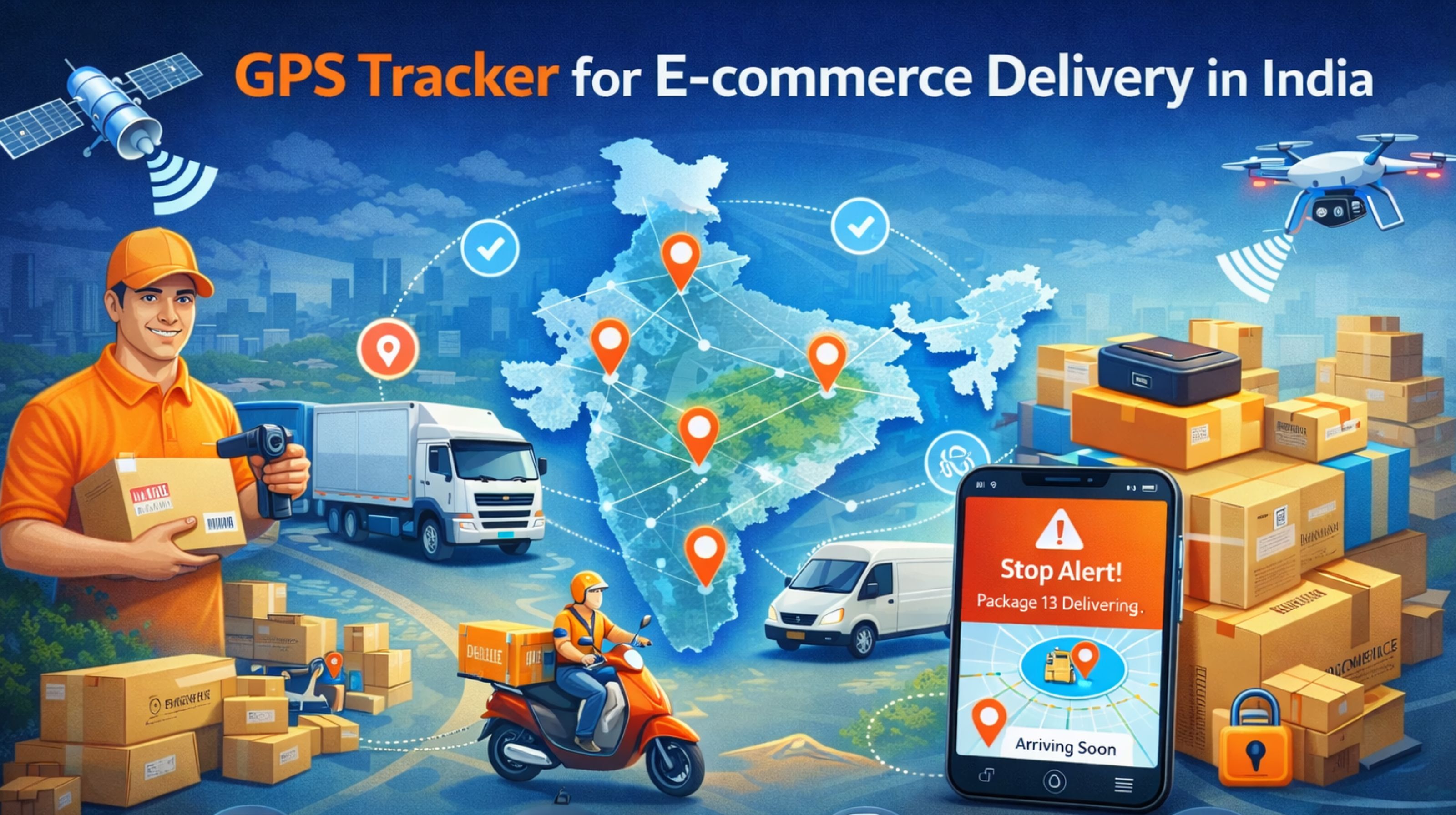
GPS Tracker Failure in Indian E-commerce Delivery Causes Route Delays
When your GPS tracker drops signal in urban canyons or rural dead zones, it's not just a blip—it's a cascade of missed delivery windows and inaccurate ETAs that customers now expect to see in real-time. Honestly, it's a bigger problem than most managers realize until it's too late.
What GPS Tracker Signal Loss Means for Live Delivery Fleets
You get this clarity, but it's the worst kind. It comes from a dashboard alert showing a vehicle as 'idle' for 20 minutes when it was actually stuck in Bengaluru traffic. That's a common reality, and it completely skews your entire route optimization logic. It also erodes dispatcher trust pretty fast.
The Reality of Tracking Under India's Scale and Network Load
The real reality check hits when 50+ devices are all trying to poll for location in a dense metro area at once. That causes data packet collisions and delayed updates, which basically makes your live map useless right during peak delivery hours. It's a system-wide choke point.
Common Mistakes That Escalate Tracker Failure into Business Risk
Here's a major misunderstanding: blaming the device itself. The failure pattern often points to something less obvious, like an improper APN configuration for the local cellular network. It's a tiny detail, but it can cause weeks of wasted troubleshooting and, before you know it, escalates into lost contracts.
Decision Help: When to Tune, Reconfigure, or Replace Your Trackers
The decision boundary gets clear pretty quick. If your team is constantly manually correcting routes and driver logs because of tracking gaps, then your internal fixes just aren't cutting it. That's the point where you need to think bigger—a platform-level redesign or replacement. This might mean moving to a dedicated fleet management software built with robust Indian network handling in mind. It becomes necessary just to keep compliance and service levels from falling apart.
FAQ
q Why does my GPS tracker show wrong location in Indian cities?
a Usually it's signal reflection off high-rises—the urban canyon effect—combined with congested cellular towers. That causes location jitter, making a tracker appear on parallel streets. It directly wrecks delivery accuracy.
q How does tracker failure affect e-commerce delivery compliance?
a It creates audit mismatches. You get missed proof-of-delivery timestamps and erratic route history that don't line up with promised SLAs. That opens you up to penalties from the major e-commerce platforms, which they don't hesitate to apply.
q At what fleet scale do GPS tracking problems become unmanageable?
a The problems scale in a nasty, non-linear way. Once you're beyond 30-40 vehicles, constant signal drops create this persistent "fog of war" for dispatchers. Manual correction becomes impossible, and you need a system-level review, not just swapping out a few devices.
q Should I fix my current GPS trackers or switch systems entirely?
a It depends. If failures are just in certain zones or with specific vehicles, try reconfiguring the APN and updating the firmware first. But if your entire fleet shows chronic delays and data gaps that are impacting customer ETAs daily, then the underlying real-time vehicle tracking architecture might just be unfit for Indian operational density. In that scenario, consulting a specialized gps controller platform is a logical, if not urgent, step.


Comments
Post a Comment