GPS tracker dashcam integration failure in Indian fleet operations
GPS tracker dashcam integration failure in Indian fleet operations
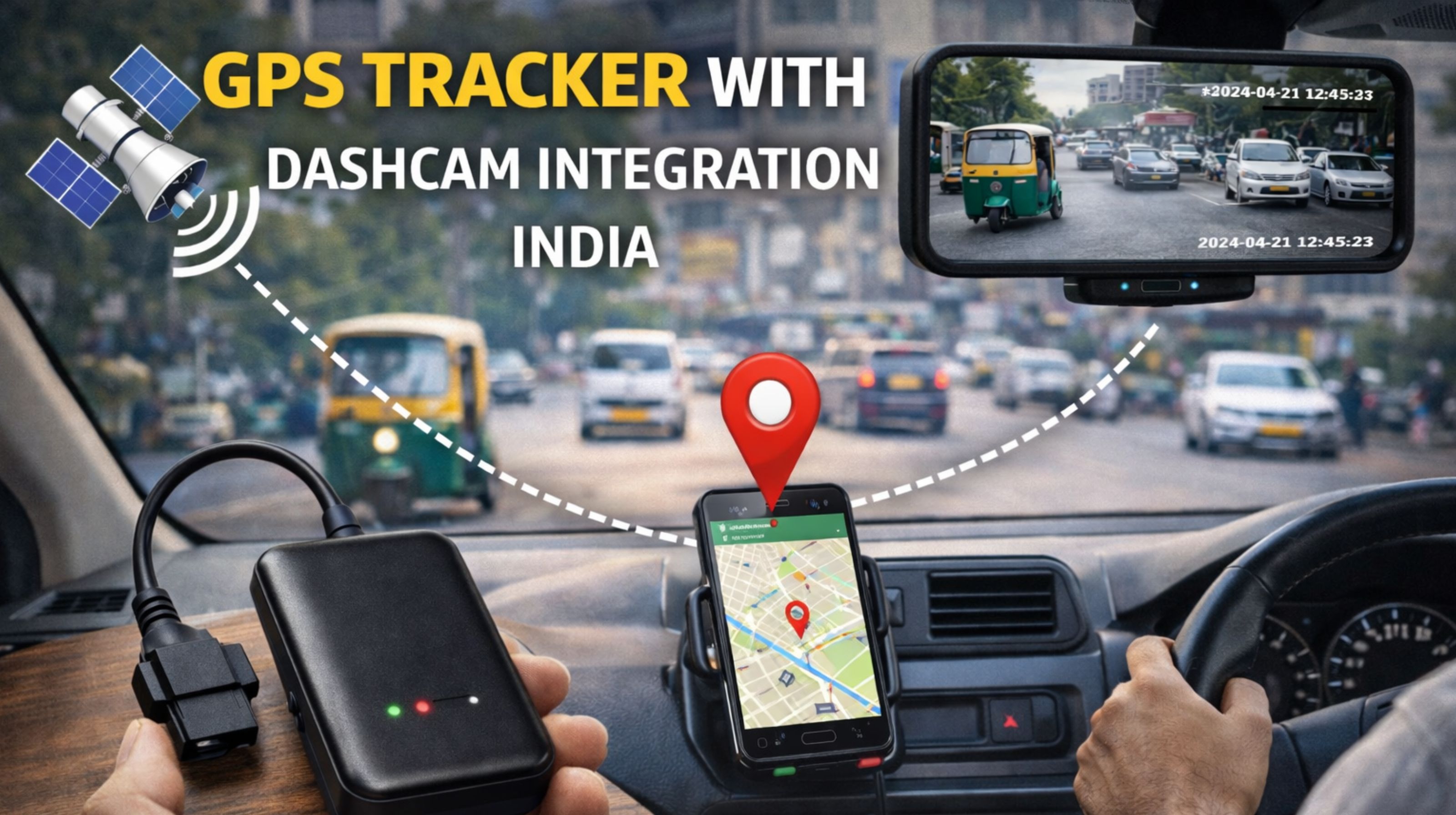
So you integrate a dashcam with your GPS tracker in India. The failure usually happens at the data handoff—live footage and location signals just fall out of sync under real network strain. The result is alerts you can't act on and blind spots in your compliance records.
What dashcam integration failure means for your fleet
It's not just a feature glitch. It's a critical signal loss. The video evidence and the vehicle telemetry split apart, which makes reconstructing an incident impossible. Here's a common thing we see: the dashcam captures an event, but the GPS tracker logs the vehicle as stationary because of a brief cellular drop. That creates an audit mismatch you can't explain away, and it'll fail during police or insurance reports every time.
The reality under India's scale and network load
When you scale up, the simultaneous data from video and GPS just overwhelms things. It congests the local device memory and clogs the limited 4G bandwidth, leading to priority routing delays. What you'll notice are delayed geofence alerts—the vehicle enters a site, but the integrated dashcam footage triggers minutes later. Or you get idle engine inaccuracies where fuel burn is logged, but the driver behavior video is corrupted or just missing. That breaks the whole chain of evidence you need for proper fuel performance monitoring and compliance.
Common mistakes and hidden failure risks
The biggest mistake is treating this like simple plug-and-play. People ignore the non-obvious detail: the packet size mismatches between video frames and GPS pings. That mismatch causes internal buffering failures where the device has to prioritize one stream and discards the other. The risk then escalates into a full compliance gap. You assume the integrated system is logging everything, but under monsoonal humidity or extreme heat, the processor throttles and drops the dashcam feed first. Suddenly you're left with incomplete data for mandatory safety reports.
Decision help: when to fix, reconfigure, or replace
The boundary here is really network dependency. If the failures are sporadic and tied to specific cellular dead zones, you might get by reconfiguring the data sync intervals and maybe investing in a dual-SIM tracker. But if you're seeing consistent data loss across over 20% of your fleet, or you're already facing audit mismatches, then the internal architecture of that combined unit is just insufficient. At that point, a redesign using separate, specialized devices feeding into a unified fleet management software platform is the only reliable path. This is where looking at a dedicated gps controller ecosystem becomes a practical necessity, just to ensure your data actually stays intact.
FAQ
q: Is GPS tracker dashcam integration legal in India?
a: Yes, it's legal, but you have strict data privacy rules under the IT Act and storage compliance to follow. If you fail to keep synchronized, tamper-proof logs, it can invalidate your evidence.
q: Why does my integrated dashcam footage not match GPS location?
a: That's typically a buffering or cellular handoff error. The device memory can't process both streams at once, so it drops packets and the timestamps get desynchronized.
q: What is the biggest risk of using a combined GPS dashcam unit?
a: Signal loss concealment. The device might look like it's working, but it's silently discarding video or location data. That gives you a false sense of compliance confidence, which leads straight to audit failure.
q: How many vehicles before integration problems become unmanageable?
a: Problems often start popping up at around 15-20 vehicles. But they become truly systemic and unmanageable with internal fixes once you go beyond 50 vehicles, thanks to the cumulative data load and support complexity.
q: Can I fix dashcam GPS sync issues with a software update?
a: Only if the issue is purely in the data packet firmware. Most of the time, hardware-level buffering limits or a poor cellular modem can't be patched. You'll need a hardware replacement.
q: Do monsoons affect GPS dashcam integration reliability?
a: Severely. Humidity messes with the internal circuitry, and dense rain clouds can degrade the GPS signal itself. On top of that, network congestion increases. So the integrated system can fail at multiple points all at once.
q: What is the cost of dashcam GPS integration failure?
a: Beyond the hardware loss, the real costs are in unresolved insurance claims, driver dispute liabilities, and fines for non-compliance with safety audit trails. That often ends up exceeding the device cost by ten times or more.
q: When should I move to separate GPS and dashcam systems?
a: When you start seeing consistent evidence gaps, when you need custom reports for audits, or when you scale operations beyond a single city's network. A unified software platform that handles separate devices usually offers more resilience than an all-in-one hardware unit.


Comments
Post a Comment