GPS Geofencing Device Failure in India and the Compliance Risk
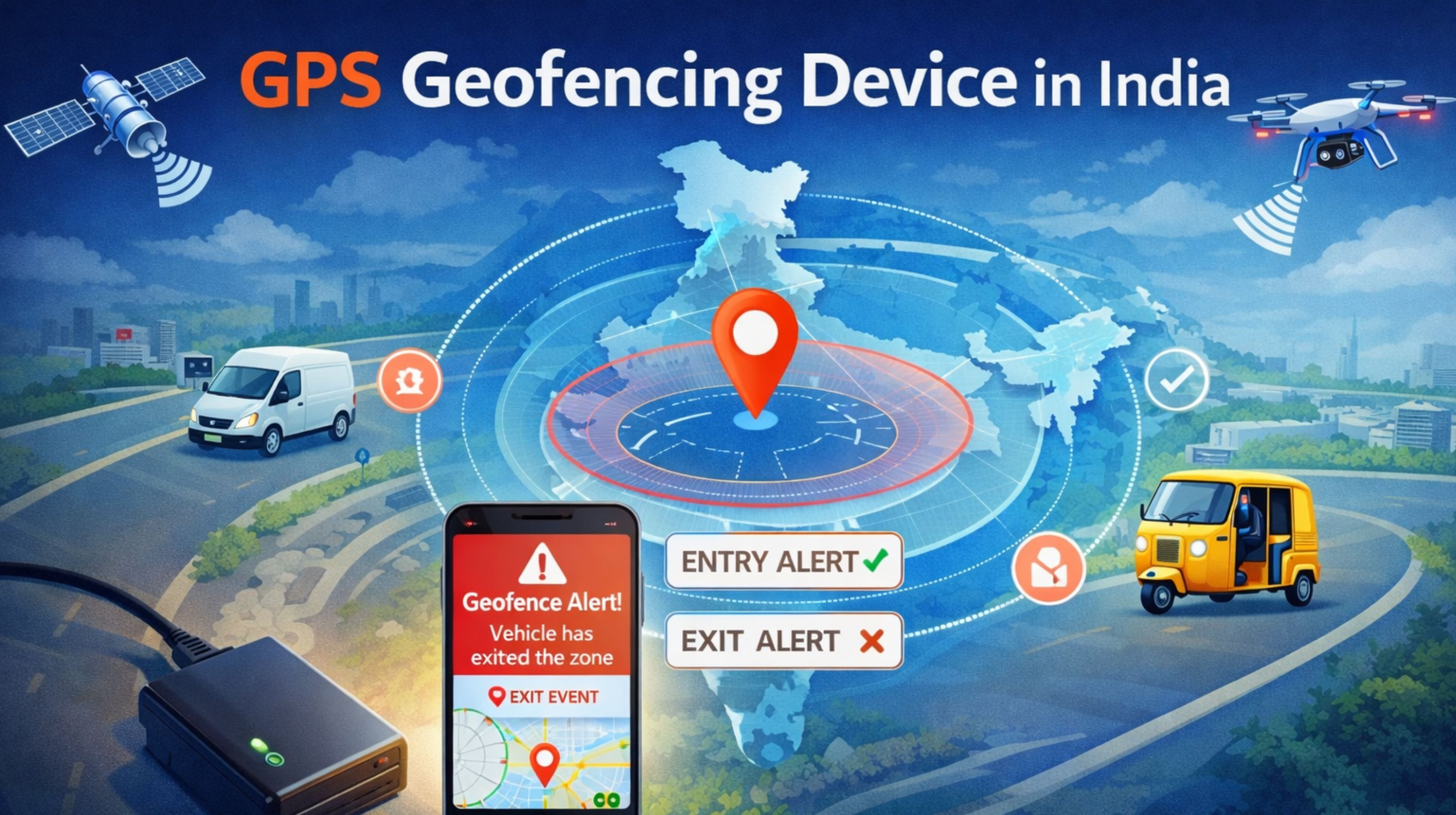
GPS Geofencing Device Failure in India and the Compliance Risk
You know how it starts. A GPS geofencing device malfunction in India often begins with just a few delayed alerts. But then it escalates into a full audit mismatch—your software logs show vehicles inside a zone, but the physical audit proves otherwise. That's when you get a direct compliance gap, and it's a real problem.
What Geofencing Device Failure Actually Means
In live fleet tracking, failure isn't just a dead unit. It's the signal jitter and those delayed geofence triggers you notice in urban canyons or industrial areas. The device struggles with satellite acquisition there, which leads to "ghost" entries and exits. That corruption in your geofencing alerts data integrity is the real failure.
The Reality Under Indian Fleet Scale and Conditions
At real vehicle scale, the problem just compounds. A single batch of devices with a poor antenna design can cause systemic reporting delays across hundreds of trucks. Suddenly, your idle time calculations are off, and it makes your fuel performance monitoring data unreliable for decisions. This is especially true on those long-haul routes with patchy network coverage.
Common Mistakes and Escalation Risks
Here's a major misunderstanding: blaming the network or the software first. The root cause is often device-level—like a GNSS chipset overheating or firmware corruption. It's a non-obvious detail. Teams waste weeks on SIM swaps or platform changes while the actual hardware silently degrades. That just increases the risk of a full-scale reporting failure right when you face a tax or safety audit.
Decision Help: When to Tune, Reconfigure, or Replace
The clear boundary? It's when internal fixes stop working. You know, repositioning antennas or updating configurations. The evidence is a persistent signal loss pattern across similar device models or regions. At that point, a hardware redesign or replacement program is necessary. Continuing with patchwork fixes only defers a larger compliance breach. That's the exact scenario where consulting a gps controller hardware specialist becomes critical.
FAQ
q Why is my GPS geofence alert delayed by 10 minutes?
a It's typically device-level GNSS processing lag or a poor cellular uplink, not a software delay. The device captures the fence breach but takes too long to transmit it. That's a common issue with older hardware in congested networks.
q Can a faulty geofencing device cause compliance issues in India?
a Yes, absolutely. Inaccurate timestamps or missed zone entries can lead to mismatches in e-way bill logs or driver duty records. That creates a significant audit risk and the potential for regulatory penalties.
q How many device failures indicate a systemic hardware problem?
a If over 5-7% of a single model batch show consistent signal loss or data errors under normal conditions, it's likely a systemic manufacturing or design flaw. It's not just isolated unit failure anymore.
q Should I replace all my geofencing devices or try a software fix?
a The decision hinges on the failure pattern and scale. Isolated issues might be fixed with firmware. But widespread, pattern-based errors demand hardware replacement. Continued software workarounds won't resolve the underlying IoT asset monitoring hardware limitation. That's the boundary where a gps controller platform review is a prudent next step.


Comments
Post a Comment