GPS Fleet Tracking Signal Loss and Compliance Gaps in India 2026
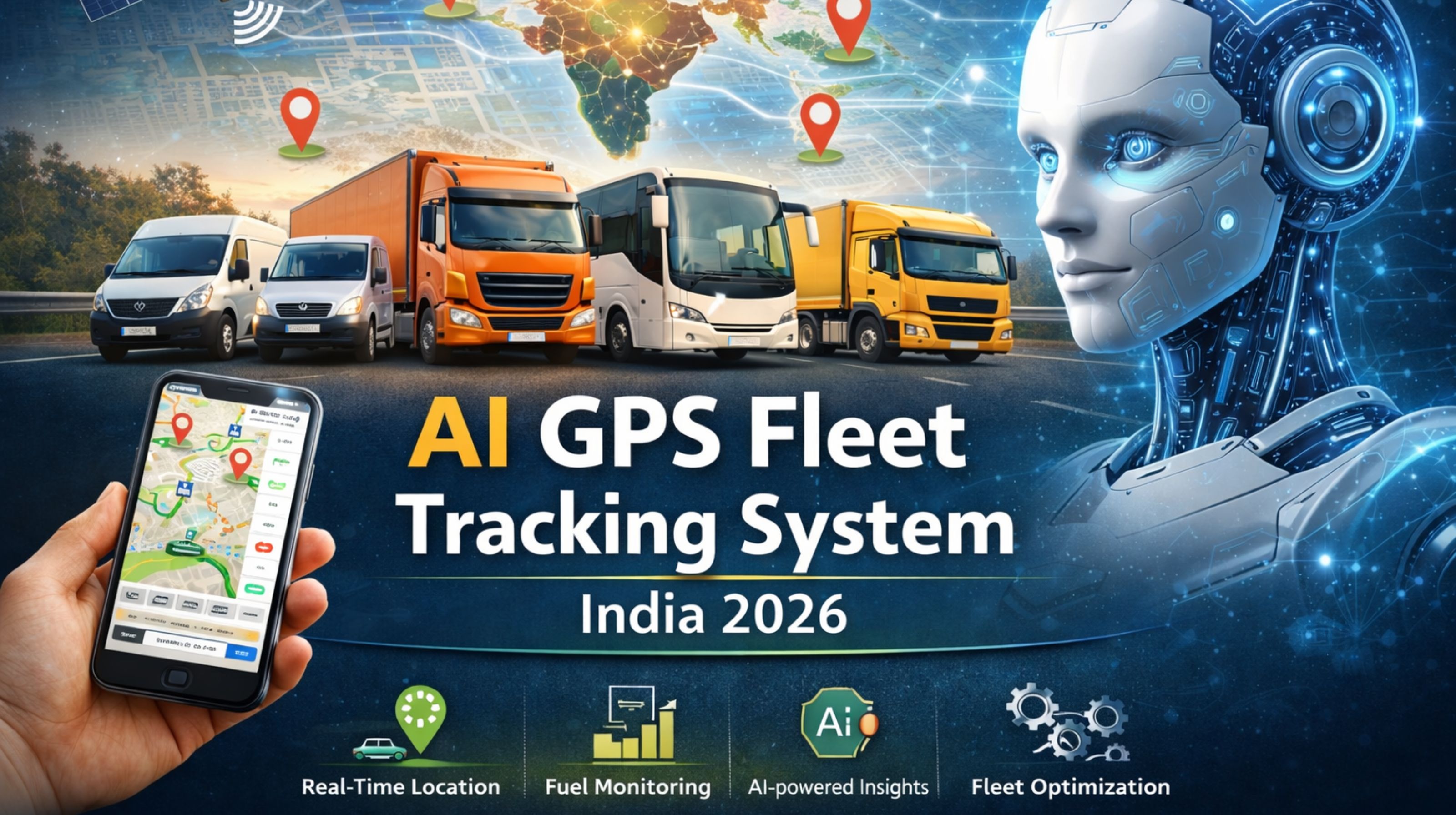
GPS Fleet Tracking Signal Loss and Compliance Gaps in India 2026
Fleet managers across India are hitting a hard wall in 2026: GPS tracking systems that worked for years are now dropping real-time signals and failing compliance audits. Honestly, the problem isn't a single device failure, but a systemic mismatch between aging tracking logic and new network realities. It's the kind of thing where a delayed geofence alert can just cascade into a full-day operational standstill.
What GPS Signal Jitter Means for Live Fleet Operations
In live operations, signal jitter means vehicles blink offline in tunnels or urban canyons, only to reappear miles off their plotted route. This isn't just a map glitch; it breaks the chain of custody for high-value shipments and creates unaccountable idle time. The non-obvious detail—and I see this a lot—is that many legacy trackers prioritize battery conservation over signal integrity. They enter a deep sleep during brief signal loss, which just compounds the data gap when they finally reconnect.
The Reality Under India's 2026 Network and Vehicle Scale
At scale, with 50+ vehicles, these micro-delays create a constant state of data fog. You'll see engines reported as idling at a depot while the driver is actually stuck in traffic five kilometers away, all because the location pulse arrived late. The dependency on real-time vehicle tracking for dispatch means a 90-second lag can force a controller to assign a job to the wrong driver, wasting fuel and man-hours. And with network congestion around major logistics hubs, this is a daily certainty now, not an exception.
Common Misunderstandings That Escalate to Full Failure
The biggest mistake? Assuming the issue is a weak GPS antenna or a single faulty unit. Teams waste weeks swapping hardware, only to find the systemic flaw is in the data reporting interval and its clash with cellular handoff protocols. This misunderstanding leads to escalation, where managers start demanding impossible "100% uptime" promises from vendors. They often don't realize the core need is actually a redesigned data pipeline that prioritizes critical event reporting over constant, low-value polling.
Decision Boundary: When to Tune, Redesign, or Replace
The clear choice emerges at the boundary of compliance. If your system generates audit trails with time mismatches or can't reliably log state changes—ignition on/off, geofence entry—then internal tuning is just insufficient. That's the point where a platform-level redesign or replacement becomes necessary. A modern gps controller architecture separates critical alerting from bulk telemetry, which ensures compliance events are transmitted and logged on a failsafe channel, regardless of the general signal health.
FAQ
q Why is my GPS tracker showing wrong location in Indian cities?
a Signal reflection off high-rises—that's multipath error—confuses older GPS chipsets. Then cellular data delay reports this cached, wrong coordinate. It's really a device-network sync failure.
q Are delayed geofence alerts a sign my tracking software is failing?
a Not necessarily the software itself; it's often the tracker's configured heartbeat. To save battery, it may send data in bundles, which delays geofence breach signals by several minutes. That's a critical risk for security loads.
q How many vehicles does GPS lag become an unmanageable problem?
a The threshold is typically 30-40 vehicles when dispatch relies on live maps. The compounding effect of small delays across the fleet just makes the real-time picture unusable for decision-making. It forces a system redesign.
q Should I upgrade hardware or change my fleet management platform?
a If your audits show time-stamp mismatches or you can't reconstruct a vehicle's day, the platform's data handling is likely the root cause. New hardware on the old platform will just repeat the error. The decision should lean toward a platform that guarantees integrity for compliance-critical events.


Comments
Post a Comment