GPS Fleet Tracking Failure in India's Real-World Conditions
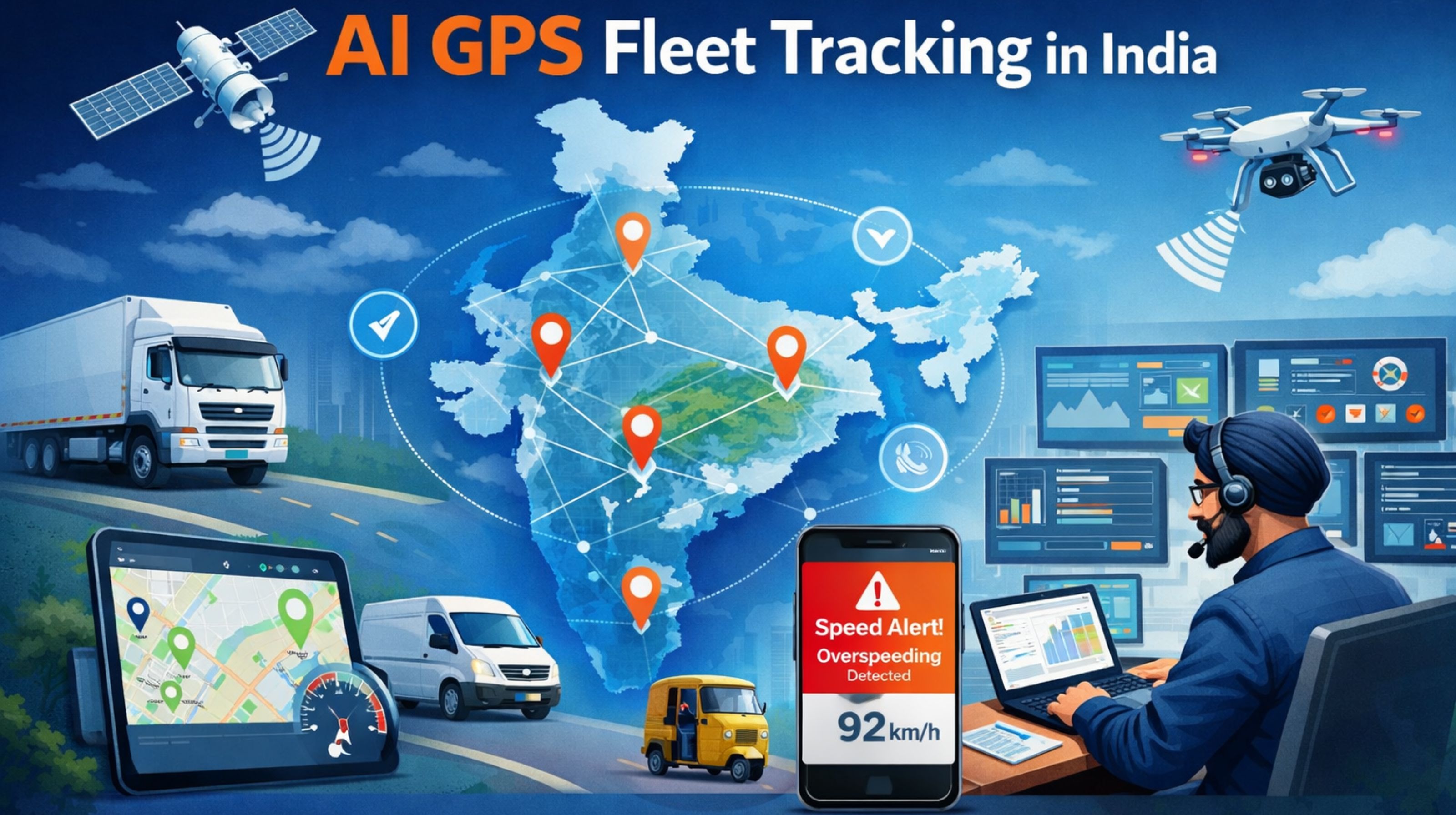
GPS Fleet Tracking Failure in India's Real-World Conditions
So your GPS fleet tracking in India starts dropping location updates or sending geofence alerts late. It's tempting to just blame a weak signal, but honestly, it's usually a sign of something deeper—a mismatch between the device and the network. The real failure point? Often it's a controller that can't handle local cellular handoffs, or gets confused by signal jitter in dense urban areas. That leads to inaccurate idle time reports and audit mismatches, and those problems escalate fast.
What GPS Tracking Failure Actually Means for Your Fleet
In live operations, failure isn't just a lost dot on a map. Think about it: it means an alert about a refrigerated truck's temperature excursion arrives 90 minutes late. Or a driver's unauthorized stop isn't logged, creating a real compliance gap. You'll spot this as mismatched data in your custom reports, where the system log and the old-fashioned physical logsheet tell two completely different stories. And a lot of the time, you can trace it back to a device's sleep cycle that's just not in sync with how Indian network towers operate.
The Reality Under India's Scale and Terrain Load
At scale across different states, the problem gets worse. A controller might handle 50 vehicles in a single city just fine, but then fail with 200 mixed across highways and rural Punjab, where network latency is all over the place. Here's a non-obvious detail that trips people up: packet data session persistence. Some devices drop the session to save battery, and that causes a 5-10 minute reconnect delay. That completely destroys real-time vehicle tracking accuracy, right when you need it most for dispatch.
Common Mistakes That Escalate Tracking Risks
A major misunderstanding is blaming "GPS signal." The core failure is often the device's cellular modem firmware—it's just not optimized for India's 4G bands. Or, you set a geofence with a 100-meter trigger, and urban signal bounce floods your system with false alerts. This leads teams to waste weeks "testing" hardware, while the real issue is a configuration mismatch with local network time protocols and reporting intervals. That's what creates silent data loss.
Decision Help: When to Tune, Reconfigure, or Replace
The boundary is pretty clear. If you've already recalibrated reporting intervals, verified APN settings, and you're still facing consistent data loss over 15% or audit-alert mismatches during your monthly checks, then internal fixes probably aren't enough. At that point, the problem is fundamental—a device-controller mismatch for your operational density. This is where you need to look at a dedicated fleet tracking device platform built for regional network conditions. A generic GPS controller often lacks the deep carrier integrations you need for real stability.
FAQ
q Why is my GPS tracker in India showing delayed location updates?
a The delay usually comes from the device's cellular module struggling with tower handoffs between states. Or, it enters a power-saving sleep mode that doesn't line up with your tracking platform's poll rate. It's often not the satellite signal itself.
q Can poor GPS tracking cause compliance failures for my fleet?
a Absolutely. Inaccurate engine-on/off logs or missed geofence breaches create mismatches between your electronic logs and physical reports. That leads straight to audit failures during tax or safety inspections. It's a common risk when your fuel and performance monitoring data is off.
q How many vehicles before my current tracking system might fail?
a Failure is less about the raw vehicle count and more about data concurrency and geographic spread. If you're managing over 100 assets across diverse regions like Rajasthan and Kerala at the same time, a lot of systems hit a data routing delay ceiling. That's what breaks real-time visibility.
q Should I fix my existing GPS trackers or replace the entire system?
a Look at replacement if consistent data gaps are affecting core compliance or dispatch reliability, and you've already tried reconfiguring network and alert settings. The decision often comes down to this: can your gps controller actually handle the specific latency and scale patterns of Indian operations, or would it need too much custom integration?


Comments
Post a Comment