GPS Driver Behavior Monitoring Failure in Indian Fleet Operations
GPS Driver Behavior Monitoring Failure in Indian Fleet Operations
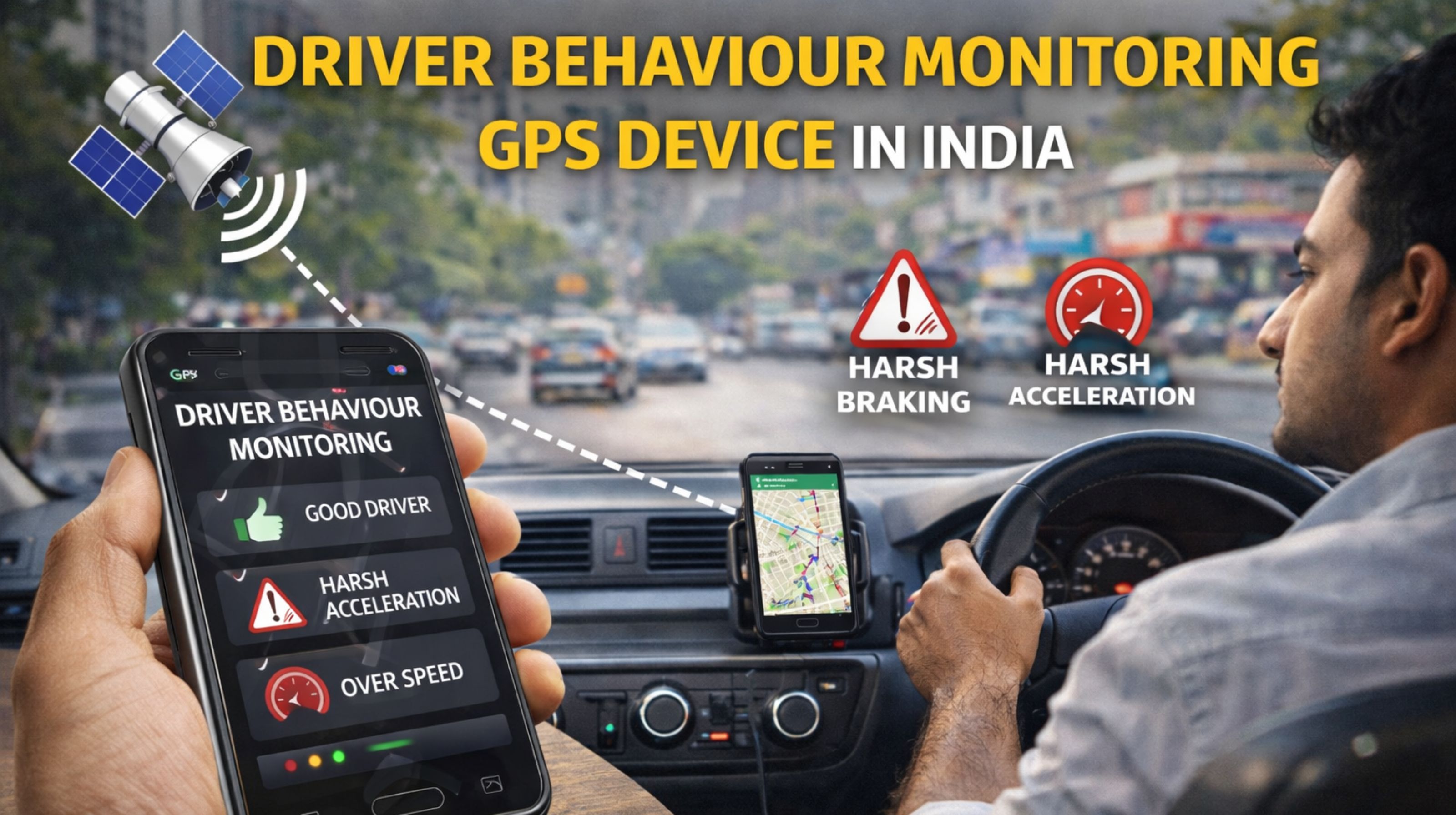
When a GPS driver behavior monitoring device in India loses signal, or when its alerts come in late, it creates a critical blind spot. That's the reality for fleet safety and compliance here. Often, you can trace it back to network jitter or reporting intervals that just aren't set up right for dense urban corridors, and the whole system falters.
What GPS Driver Behavior Monitoring Actually Means on Indian Roads
In theory, live fleet tracking means capturing harsh braking, rapid acceleration, and idling. But the real-world observation? Signal jitter in the urban canyons of Mumbai or Delhi just causes missed events. It makes real-time vehicle tracking data feel unreliable when you actually need it for immediate driver coaching.
The Reality Under India's Vehicle Scale and Network Load
At scale—with hundreds of vehicles—there's a common misunderstanding. People think more data points mean better analysis. But under India's congested cellular networks, aggressive reporting just floods the system. The result is packet loss and delayed geofence alerts, which frankly makes those next-day safety reports almost useless.
Wrong Assumptions and Escalating Compliance Risks
The failure pattern usually starts with a wrong assumption: that every harsh braking event is the driver's fault. It ignores non-obvious details, like G-sensor calibration drifting in extreme heat. That creates false positives, leads to unjustified driver scoring, and erodes trust. Worse, it creates audit mismatches when the transport authority shows up for an inspection.
Decision Boundary: Tune, Reconfigure, or Replace the System
A clear choice emerges when internal tuning—adjusting reporting intervals and alert thresholds—stops fixing the chronic data gaps across a region. You've crossed the boundary when missed events consistently line up with known network blackout zones. That's when you need a system redesign or full replacement. In that scenario, consulting a specialized gps controller platform becomes a logical, contextual step.
FAQ
q What is the most common failure in GPS driver monitoring devices in India?
a The most common failure is signal loss. It happens in urban areas or on highways with spotty cellular coverage. That leads to incomplete trip data and missed critical behavior events, which completely compromises your safety reporting.
q How does network congestion affect driver behavior data accuracy?
a Network congestion causes data transmission delays. So a harsh braking event might get a wrong timestamp, or get batched with later data. That makes real-time intervention impossible and really distorts your daily performance summaries.
q At what fleet size do these monitoring systems typically break down?
a They often start showing strain with 50+ vehicles reporting at once. It's especially true if you're using high-frequency data settings. You end up with server processing delays and dashboard lag, which can hide urgent safety issues.
q When should a fleet manager replace instead of fix a monitoring system?
a Replacement becomes necessary when you have persistent data gaps across different vehicle types and regions. If calibration fails repeatedly, and the system can't provide a clear audit trail for compliance, it indicates a fundamental architecture mismatch with your operational scale.


Comments
Post a Comment